What Is a Handicap Lift and How Does It Work?
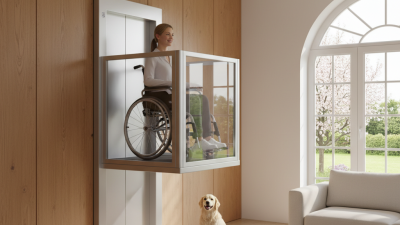
A Handicap Lift is an accessibility device that helps people move safely between different heights. It can carry a wheelchair, mobility scooter, or seated passenger. Common examples include vertical platform lifts, inclined lifts, and vehicle lifts. Each design solves a different access problem.
Most models use an electric motor, hydraulic system, or screw-drive mechanism. The user enters a platform and operates simple controls. The lift then travels along a guided path to another level. Safety gates, platform edges, emergency stops, and obstruction sensors help reduce risks. Some units also include backup lowering systems during a power failure. These features matter most when the passenger cannot exit quickly.
A reliable installation begins with the building, not the product brochure. A trained professional should assess floor space, landing height, doorway width, drainage, weather exposure, and electrical requirements. Local accessibility standards and manufacturer instructions also deserve careful attention. A lift that works well in a showroom may feel cramped beside a narrow porch. That detail is easy to overlook.
Regular inspections keep moving parts, batteries, rails, and safety switches working correctly. Owners should follow the maintenance schedule and report unusual noise, uneven movement, or delayed stopping. No lift is perfect. Even a well-designed system needs thoughtful use and periodic review. This guide explains how a Handicap Lift works, where it fits best, and what practical questions buyers should ask before installation.
What Is a Handicap Lift?
What Is a Handicap Lift?
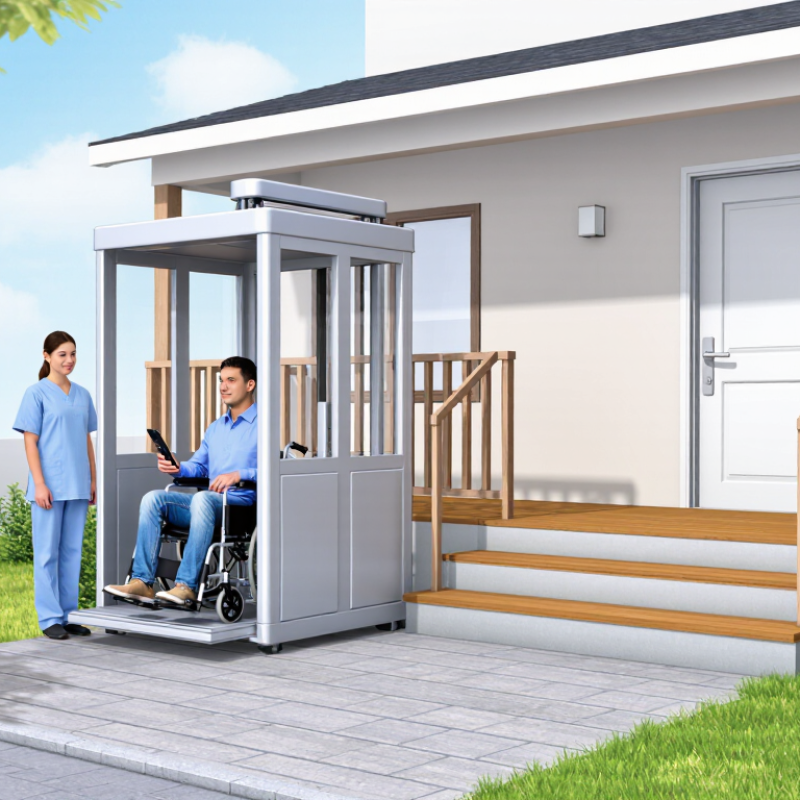
A handicap lift is a powered accessibility device that helps people move between different levels. It supports wheelchair users, people with limited mobility, and anyone who struggles with stairs. Unlike a standard passenger elevator, it usually serves a smaller height difference and needs less space. Common designs include vertical platform lifts and inclined lifts that travel beside a staircase.
The user enters a level platform, secures the wheelchair, and selects a floor or landing. An electric motor moves the platform along a guided route. Safety gates, non-slip surfaces, emergency controls, and sensors help reduce accidents. A qualified installer must check the structure, doorway width, landing space, and electrical supply before installation. These details matter. A lift that fits poorly may feel unsafe, even when its motor works correctly. Regular inspections also help identify worn controls, loose rails, or unusual sounds.
Tips:
Measure the full travel path, not only the doorway. Ask an accessibility professional to review daily use, weather exposure, and emergency access. Keep the platform clear of bags and loose objects. Users should follow the operating instructions and avoid exceeding the stated weight limit. I have seen people focus on lifting height while overlooking turning space at the top landing. That mistake can make a suitable lift frustrating to use.ը
How Does a Handicap Lift Work?
A handicap lift, also called an accessibility lift, helps people move between different floor levels safely. It can carry a wheelchair, mobility scooter, or standing passenger. Unlike a ramp, it needs little horizontal space and can serve short vertical rises or full floors.
How does a handicap lift work?
A user enters a platform and presses a control button. An electric motor then moves the platform along vertical rails or a lifting mechanism. Safety gates, non-slip flooring, and emergency stop controls help prevent falls. Many models include sensors that stop movement if an object blocks the platform. Battery backup may lower the lift during a power failure, but this feature should be confirmed before installation. Professional installers measure the space, check the supporting structure, and test the controls. Small details matter. A poorly positioned gate can make entry difficult.
Tips:
Keep the platform clear of bags and loose objects. Test the emergency controls regularly. Watch for unusual sounds, uneven movement, or delayed stopping. These signs deserve prompt inspection by a qualified technician. Follow the manufacturer’s maintenance schedule and local accessibility requirements. A lift may look simple, but reliable operation depends on correct installation and regular care. Door width, weather exposure, and user strength also affect the best configuration. People often focus on lifting height and forget turning space. That mistake can make daily use frustrating.
What Are the Main Types of Handicap Lifts?
What Is a Handicap Lift and How Does It Work?
A handicap lift moves people or mobility devices between different levels. It uses a motor, platform, rails, or hydraulic system. Controls usually sit on the platform and at each landing. According to the World Health Organization’s Global Report on Health Equity for Persons with Disabilities, about 1.3 billion people experience significant disability worldwide. That figure shows why reliable vertical access matters in homes, clinics, schools, and public buildings.
What Are the Main Types of Handicap Lifts?
Vertical platform lifts travel straight upward beside a porch, entrance, or short stairway. They suit wheelchair users and often need less transfer movement. Inclined platform lifts follow a staircase. A wheelchair rolls onto the platform, then the system climbs along the rail. Stair chair lifts use a seated chair, so the user must transfer from a wheelchair. Ceiling lifts use overhead tracks and a sling, helping caregivers move a person between a bed, chair, and bathroom.
Pool lifts lower users into water through a powered arm. Portable ramps are not lifts, but they can support access where permanent equipment is impractical. The U.S. Access Board’s accessibility standards emphasize clear floor space, safe landings, controls, and unobstructed routes. These details matter more than appearance. A 2023 CDC disability data report found that 27% of U.S. adults reported a disability, reinforcing the need for varied solutions. Selection still requires a site assessment. Door width, travel height, weight capacity, weather exposure, and emergency lowering all affect performance. One design rarely fits every user.
Handicap lifts are accessibility devices that help people move between levels or transfer safely. Vertical platform lifts and inclined platform lifts are designed primarily for wheelchair access, stair lifts carry a seated passenger along a staircase, and ceiling lifts are commonly used for assisted transfers. The capacity ranges shown are representative of commonly specified equipment; actual limits vary by design, installation, and local safety requirements.
What Features Make Handicap Lifts Safe and Accessible?
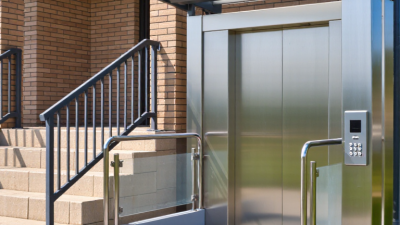
A handicap lift moves a wheelchair user between different levels without requiring stairs. Its safety begins with a stable, non-slip platform and raised edges that help keep wheels in place. Automatic safety gates should remain locked during travel. Sensors can stop movement if they detect an obstruction beneath the platform or near the entrance.
Controls must be clear, reachable, and simple to operate. Large buttons, tactile markings, and audible signals support users with limited vision or hand strength. Emergency stop controls should be easy to identify. A backup lowering system can help during a power failure, though its operation needs clear instructions. Adequate platform space matters too. A wheelchair should enter without scraping walls or forcing awkward turns.
Accessible design also depends on installation quality. The approach should be level, well-lit, and wide enough for a careful turn. Trained technicians should check anchoring, guardrails, door locks, and load limits during installation. Regular inspections can reveal loose fasteners, worn surfaces, or unusual sounds before they become serious problems. Users should receive practical training, not just a manual. Even a well-designed lift can feel unsafe when controls are confusing. Small details are easy to overlook. That is where many accessibility plans need honest review.