
7 Tips for Choosing a Wireless Intercom for Elderly Care
Choosing the right Wireless Intercom For Elderly care is more than comparing prices or signal ranges. It can shape how safely an older adult asks for help, especially during a fall, dizzy spell, or lonely night. A dependable system should make communication simple, fast, and comfortable for daily use. Large buttons, clear audio, visible status lights, and easy charging matter in real homes. So does placement.
Think about the older person’s routine. Is the bedroom upstairs? Does the bathroom door block sound? Can the user hear a soft chime through hearing aids or background television? These practical details often matter more than impressive technical features. Experience from family caregivers and professional care settings suggests that reliability, privacy, and straightforward controls deserve careful attention. A backup power option may also reduce worry during short outages.
No device is perfect. Wi-Fi can fail. Batteries weaken. Some advertised ranges work only in open spaces, not through concrete walls. This is easy to overlook. The seven tips in this guide examine range, audio quality, installation, emergency usability, maintenance, and support. They also encourage families to test the intercom at different times of day, from several rooms, before depending on it. A short trial can reveal confusing buttons, delayed alerts, or uncomfortable volume levels. The best choice is not always the newest model. It is the one an older adult can use confidently, and caregivers can trust when every second matters.
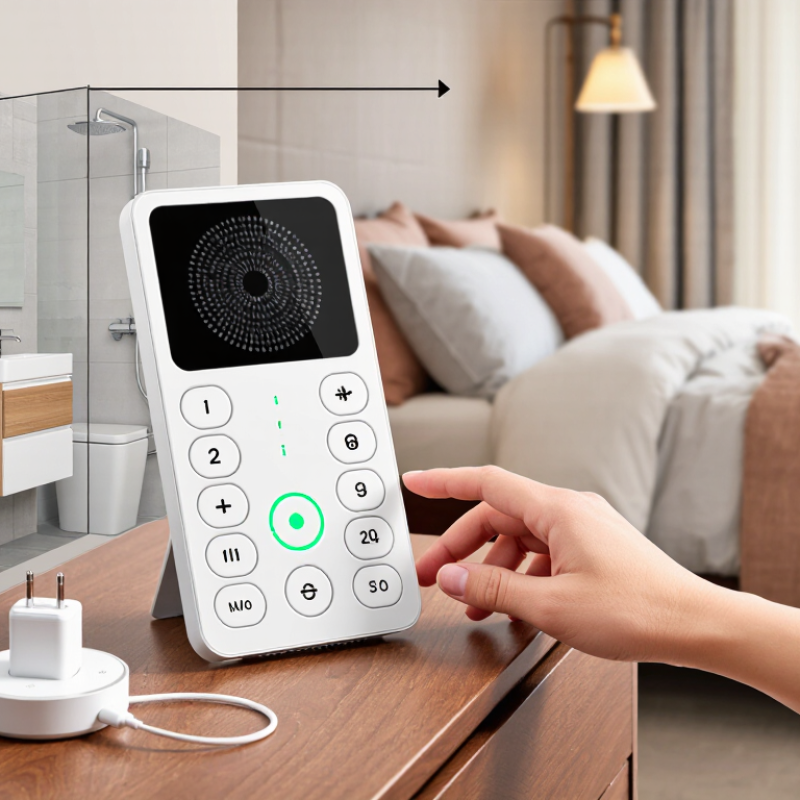
Define Care Needs and Communication Scenarios
Map the moments when help is needed: a caregiver checking in from the kitchen, an older adult calling from a bedroom, or someone needing assistance after a nighttime bathroom trip. WHO’s Ageing and Health fact sheet (2022) projects that one in six people worldwide will be aged 60 or older by 2030. Needs vary widely, so avoid choosing a system based on age alone. The CDC reports that about one in four adults aged 65 and older falls each year. An intercom cannot prevent falls, but clear, reliable two-way communication may help someone request assistance. Define who answers, how quickly, and what happens if the first person misses the call.
Walk the actual rooms before deciding on device placement. Check whether voices carry through closed doors, whether a call button is reachable from bed, and whether kitchen noise masks speech. Quiet rooms matter. Include hearing needs, night-time use, charging routines, and the distance between rooms. AARP’s 2024 Home and Community Preferences Survey found that 75% of adults aged 50 and older want to remain in their homes as they age. That makes everyday usability important, not just range on a product specification sheet. A neat floor plan can still mislead. Test the proposed setup during a normal day and after dark; note any missed calls, awkward reach, or privacy concerns before settling on it.
