Why Do You Need an Oxygen Sensor Adapter?
An oxygen sensor adapter is a small component, but its role can affect an entire exhaust diagnostic process. It connects an oxygen sensor to a threaded exhaust port when the original fit is unsuitable. In some vehicles, the sensor may sit too close to a pipe wall, heat source, or exhaust component. An adapter can provide needed clearance and help place the sensor in a more practical position.
Small change. Real difference.
The need for an oxygen sensor adapter often appears after replacing an exhaust manifold, catalytic converter, or modified downpipe. Experienced technicians check thread size, sensor reach, exhaust temperature, and available space before choosing one. The wrong adapter may create leaks, damage threads, or expose the sensor to excessive heat. It may also affect readings if it changes the sensor’s position too much. Manufacturer specifications should guide every decision.
An adapter is not a substitute for proper diagnosis. A warning light may come from wiring damage, vacuum leaks, poor exhaust sealing, or a failing sensor. Installing an adapter without checking these causes can hide the real problem. That is an easy mistake to make. Quality materials, accurate machining, and a secure seal matter more than appearance. In practical terms, the correct oxygen sensor adapter should support reliable sensor operation while preserving the vehicle’s intended emissions-control function. When uncertainty remains, a qualified technician can verify compatibility and confirm the final readings with suitable diagnostic equipment.
What an Oxygen Sensor Adapter Is and How It Works
Why Do You Need an Oxygen Sensor Adapter?
What an Oxygen Sensor Adapter Is and How It Works
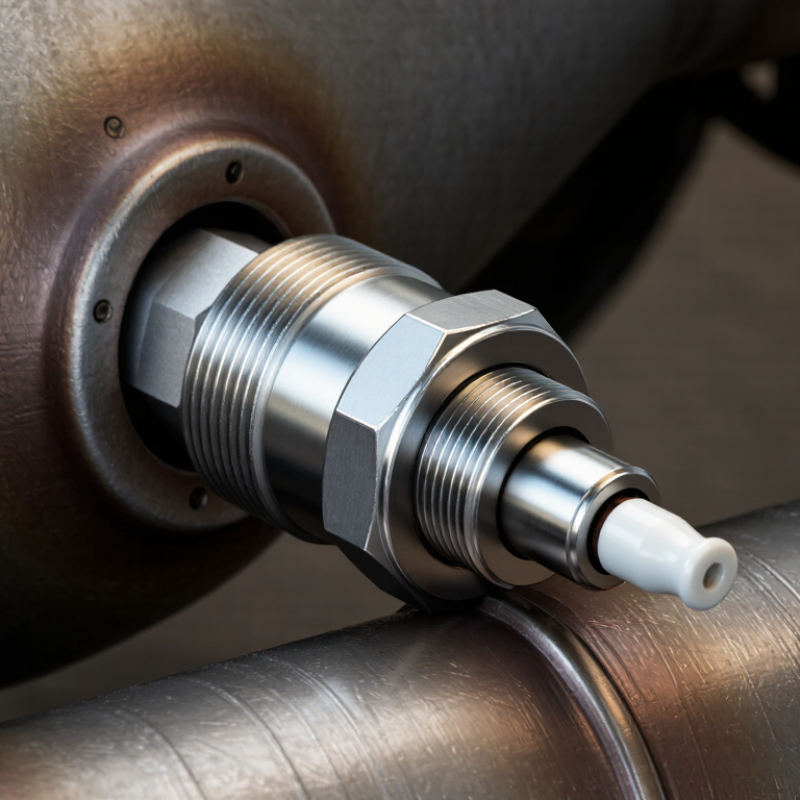
An oxygen sensor adapter is a threaded fitting that connects a sensor to an exhaust pipe or manifold. It may change the thread size, sensor angle, or installation depth. Some adapters also provide a small extension between the sensor and exhaust flow. The correct design depends on the vehicle, sensor type, and available clearance.
Inside the sensor, a ceramic element detects oxygen levels in exhaust gases. The sensor then sends a voltage signal to the engine control unit. An adapter does not create this signal. It only positions the sensor and helps secure its connection. A precise fit matters. Poor alignment can cause exhaust leaks, damaged threads, or inaccurate readings. Tighten it carefully, but avoid excessive force.
A practical inspection starts with the sensor thread and exhaust port. Check for carbon buildup, corrosion, and damaged sealing surfaces. Measure the available space near wiring and heat shields. The adapter should not touch nearby components when the engine moves. It is also important to confirm that the adapter suits the original sensor and meets local emissions requirements.
The adapter is not a magic fix. If the sensor, wiring, or exhaust system has a fault, changing its position may hide the real problem. In some cases, the installation seems correct but still produces unstable readings. That is why technicians should verify live data, inspect for leaks, and reassess the setup after installation.
Why Modern Vehicles May Need an Oxygen Sensor Adapter
Why Do You Need an Oxygen Sensor Adapter?
Why Modern Vehicles May Need an Oxygen Sensor Adapter
Modern vehicles often use several oxygen sensors around the catalytic converter. Their locations, thread sizes, wiring plugs, and exhaust clearances can differ greatly. An oxygen sensor adapter helps connect a replacement sensor correctly or provides extra clearance near tight exhaust components.
The need is partly driven by stricter emissions control. The U.S. Environmental Protection Agency’s 2024 Automotive Trends Report recorded an average fuel economy of about 27.1 miles per gallon for new vehicles in model year 2023. Better economy depends on precise air-fuel control. Oxygen sensors supply feedback, while the engine computer adjusts fuel delivery within milliseconds. A poor connection can create unstable readings, warning lights, rough running, or increased fuel consumption.
In practical inspections, a suitable adapter can solve a mismatched connector or thread problem without forcing the sensor into an unsafe position. However, an adapter is not a universal repair. It must match the sensor specification, exhaust temperature, thread depth, and wiring route. The International Organization for Standardization’s ISO 2575 guidance helps standardize vehicle control symbols, but it does not make every sensor interchangeable. That detail is easy to overlook.
Never use an adapter to defeat emissions monitoring. Regulations differ by region, and disabling a required monitoring function may be prohibited. Check service data and perform a leak test after installation. Even experienced technicians can miss a small exhaust leak near the sensor. That mistake can imitate a failed sensor.
How to Choose and Install the Right Adapter
An oxygen sensor adapter is useful when an exhaust change moves the sensor away from its original position. It can also correct limited clearance near a heat shield or crossmember. The fit must remain secure and leak-free. A loose adapter can draw outside air into the exhaust stream. That may create false oxygen readings and unstable fuel control.
Choose the adapter by checking thread size, sensor angle, exhaust material, and available clearance. Many sensors use an M18×1.5 thread, but never assume it. Confirm the vehicle service data first. The adapter should use heat-resistant stainless steel and provide enough space for the sensor wire. Avoid designs that restrict exhaust flow or position the sensor directly in heavy condensation. According to U.S. EPA OBD regulations, emissions faults may require detection when emissions exceed 1.5 times the applicable standard. Poor adapter placement can trigger that diagnostic process.
Installation starts with a cool exhaust system. Remove carbon from the original bung and inspect its threads. Apply only sensor-safe thread compound, if the service instructions permit it. Tighten the adapter to the specified torque, then route the wiring away from heat and moving parts. Start the engine and check for leaks, warning lights, and live sensor data. SAE technical guidance emphasizes stable sensor temperature and representative exhaust flow for reliable measurements. In practice, a small angle error can matter. I have seen clean-looking installations fail because the sensor sat too close to a shield. Recheck clearance after a short heat cycle.