
Why Do You Need a Fuel Gas Caddy?
A stalled mower, a distant generator, or equipment waiting at the edge of a worksite can make fuel runs inconvenient. A Fuel Gas Caddy offers a practical way to store and move fuel for compatible equipment. It can reduce repeated trips and keep refueling supplies organized. That matters.
The right model depends on the fuel type, the equipment being served, and how much fuel you need to move. Check the caddy’s rated capacity, material compatibility, closures, wheels, and dispensing method before choosing one. A sturdy handle and stable wheels may seem minor until the caddy crosses uneven ground. Then they matter a lot.
A caddy does not remove the need for careful handling. Follow the manufacturer’s instructions, inspect hoses and seals for wear, and use the unit only in a suitable, well-ventilated area away from ignition sources. Keep it secured during transport and stored as directed. Avoid overfilling; leave room as the manufacturer specifies. Simple checks can prevent leaks and messy spills.
It is easy to assume that any container will do. That assumption deserves a second look. Fuel type and equipment design affect compatibility, so confirm both before transferring fuel. A Fuel Gas Caddy can make routine work smoother, but only when its features match the job and its condition is maintained. Convenience is useful. Care still comes first.
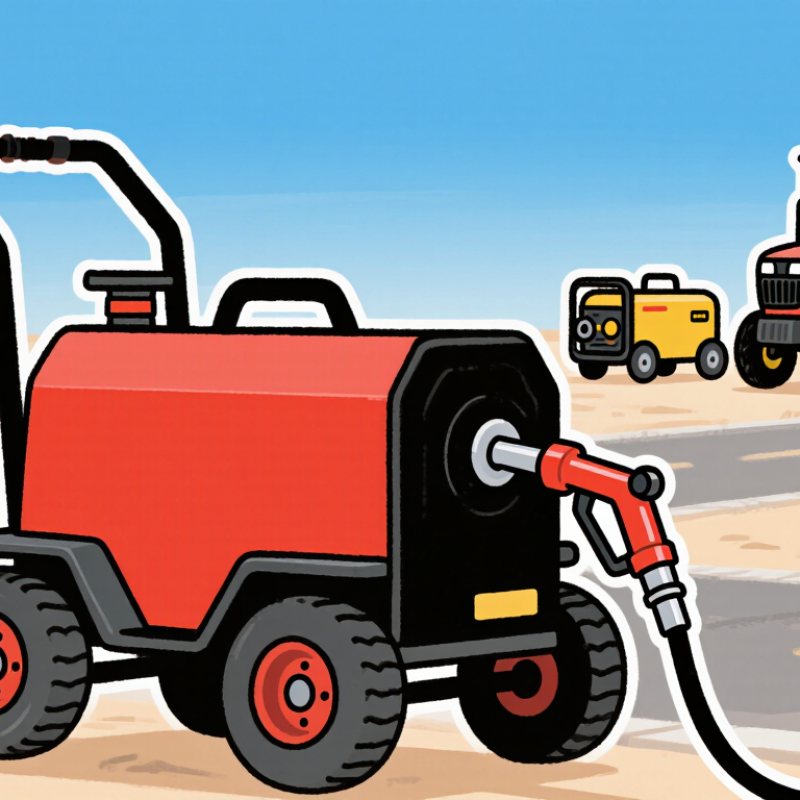
What a Fuel Gas Caddy Is and How It Works
A fuel gas caddy is a mobile container designed to store and transfer fuel. Most models combine a sturdy tank, wheels, a handle, and a hose with a manual or powered pump. The operator moves the caddy near equipment, secures it on a stable surface, then transfers fuel through the hose and nozzle. Simple in concept. The exact steps vary by design.
A caddy can reduce repeated trips with small containers and bring fuel closer to generators, mowers, or machinery. It also helps control the transfer rate, which matters when filling a tank with a narrow opening.
Check its fuel rating, inspect hoses and seals, and follow the manufacturer’s operating instructions.
There is a trade-off. A wheeled tank is easier to move, but it still needs secure positioning and careful handling; a pump does not remove spill risks. Keep the nozzle attended, avoid overfilling, and use the caddy only in a suitable, ventilated work area. One small inconvenience: hoses can retain fuel after use, so storage needs thought too. A little planning helps.
