
Why Is Air Monitoring Important?
Air Monitoring is the ongoing measurement of pollutants and other conditions that affect the air people breathe. It can reveal changes in particulate matter, gases, temperature, and humidity across indoor and outdoor spaces. These readings help people identify patterns, investigate possible sources, and decide when further assessment may be needed. Small changes matter. Fine particles can rise near a busy road, while indoor pollutant levels may shift during cooking, cleaning, or poor ventilation. A single reading offers only a snapshot; repeated measurements give a more useful view of changing conditions.
Reliable monitoring depends on suitable equipment, careful placement, and regular maintenance. Sensors placed beside an open window may tell a different story from those near a work area. Calibration and clear records also matter, because inaccurate readings can lead to mistaken conclusions. No single sensor explains the whole picture. Even careful systems leave gaps, and unusual results may need expert review rather than quick assumptions. That limitation is worth remembering.
For communities, Air Monitoring can help show where pollution levels may deserve closer attention. For building and facility managers, it can support practical steps such as checking ventilation or reviewing work processes. Good reporting explains what was measured, where, and when, while noting uncertainty and equipment limits. Understanding why Air Monitoring matters is not just about collecting numbers. It is about using dependable evidence to make informed decisions, protect health, and ask better questions about the air we share.
What Air Monitoring Measures and How It Works
Why Is Air Monitoring Important?
What Air Monitoring Measures and How It Works
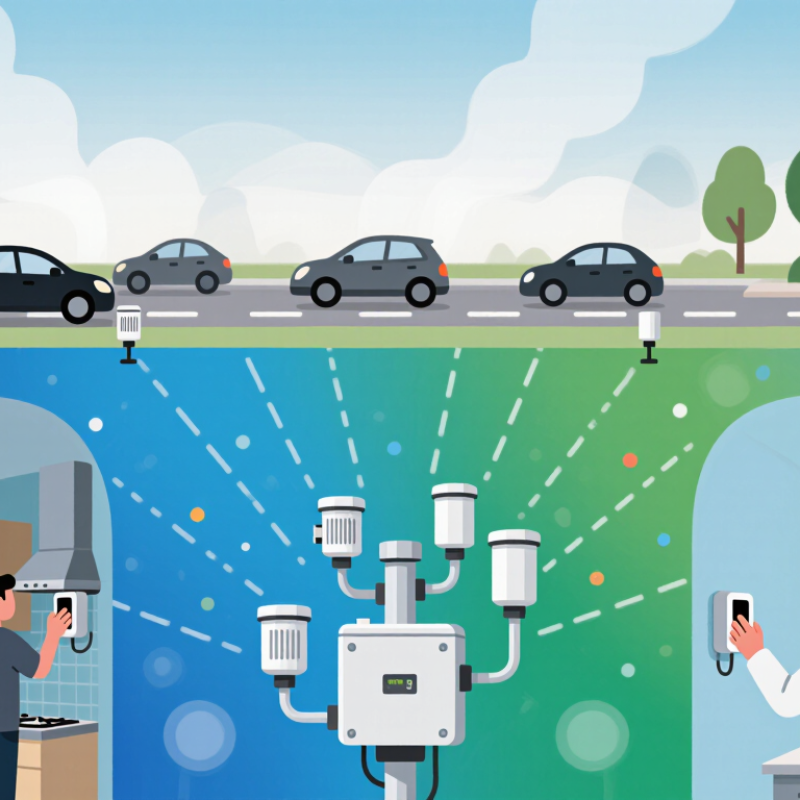
Air monitoring measures pollutants in a specific place over time. Depending on the equipment, it may track fine particles such as PM2.5 and PM10, or gases such as ozone, nitrogen dioxide, and carbon monoxide. Some systems also record temperature and humidity, which can help explain changes in readings. A monitor near a busy road may show short-lived particle increases during rush hour. Indoors, readings can shift after cooking or when ventilation is limited. Small shifts matter.
Different sensors use different methods. Optical particle sensors estimate particle levels by measuring how airborne particles scatter light. Gas sensors may use electrochemical reactions to detect changes in particular compounds. Instruments collect readings at set intervals, then display them as current levels or trends.
The numbers are useful, but they are not a complete picture. A sensor may respond to humidity, age, or nearby sources, and a single reading cannot identify exactly where pollution came from. Placement matters. Keep monitors away from blocked vents or direct splashes, and follow the maker’s guidance for maintenance and calibration.
Even careful monitoring leaves gaps; that limitation is easy to overlook when a chart looks precise. Comparing repeated readings with local conditions can make the data more meaningful.
