
Why Choose Portable Car Charging for Your EV?
Why Choose Portable Car Charging for Your EV? For many electric vehicle drivers, the answer begins with convenience. A depleted battery can turn a normal journey into a stressful search for an available charger. Portable Car Charging offers another option: bringing useful energy directly to the vehicle. It can support roadside assistance, workplace charging, outdoor events, and homes without dedicated charging access.
Josh Aviv, founder and CEO of SparkCharge, has described this approach simply: “We’re bringing the gas station to you.” His statement reflects a practical change in charging behavior. Instead of always driving toward fixed infrastructure, drivers can access mobile charging where it is needed. A compact battery unit may fit inside a service vehicle, arrive at a parking space, or provide emergency energy during a long trip. The experience feels more flexible. Sometimes, that matters most.
Portable systems can reduce downtime for commercial fleets and help drivers manage unexpected battery shortages. They may also assist apartment residents who cannot install private chargers. However, portable charging is not a perfect replacement for every high-powered station. Charging speed, battery capacity, weather, vehicle compatibility, and equipment safety still require careful attention. This is where reliable specifications and trained operators become important. A rushed purchase can create disappointment. I would not treat every portable unit as equally capable. Buyers should compare certified equipment, connector standards, warranty coverage, and real-world charging performance. The technology is promising, but practical limits remain. That honest balance makes Portable Car Charging a useful part of a broader EV charging strategy, rather than an exaggerated solution.
What Is Portable EV Charging and How Does It Work?
Why Choose Portable Car Charging for Your EV?
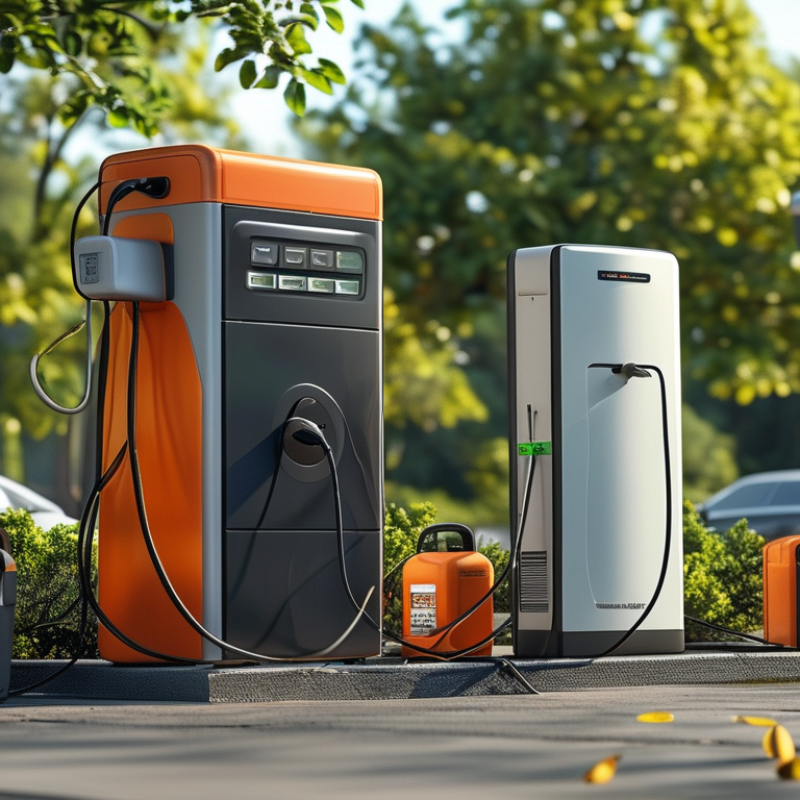
Portable EV charging means carrying a compact charging device instead of relying only on public stations. Most portable chargers connect to a household outlet and deliver controlled AC power to your vehicle. The car’s onboard charger then converts that AC electricity into DC energy for the battery. Some advanced units store electricity internally and provide emergency charging away from buildings.
The process is simple, but not effortless. After checking the outlet, you connect the charger, select a suitable current, and confirm the vehicle has started charging. A small display may show voltage, amperage, and charging time. In my experience, a portable unit is useful during road trips, temporary parking, or unexpected station queues. Charging can be slow. That matters. A standard outlet may add only a modest driving range overnight, while a properly installed higher-voltage outlet works faster. Never ignore heat, loose connections, or unusual smells.
Tips: Use a grounded outlet with enough circuit capacity. Avoid extension cords unless the equipment instructions specifically allow them. Keep connectors dry and inspect cables before every use. Follow local electrical requirements and the charger’s safety instructions. Portable charging is convenient, but it is not a substitute for careful planning. I still check the next reliable charging point before leaving, because battery estimates can change with speed, cold weather, traffic, and cabin heating.
