
Why Choose a Designer Paper Box for Your Brand?
A customer often meets the package before touching the product. That moment matters. A well-designed Designer Paper Box can make a brand feel considered, protect an item, and give its identity a physical form. Think of a matte surface, a crisp fold, or a logo placed where the hand naturally rests. These details are small, but they shape the first impression.
Graphic designer Paul Rand wrote, “Design is the silent ambassador of your brand.” His words offer a useful lens for packaging: a box communicates through its color, structure, material, and finish before anyone reads a product description. A thoughtful design can help products stand out on a crowded shelf or feel more memorable when opened. It can also support a consistent look across retail displays, gift packaging, and online orders. The result depends on the product and audience, not on decoration alone.
This outline explores why brands choose designer paper boxes, from visual recognition to unboxing experience and practical protection. It also considers material choices, printing details, and the balance between appearance and cost. Not every premium-looking box performs well; an awkward opening or fragile corner can undermine the impression. That is worth remembering. Good packaging is not automatically sustainable or effective, either. Those claims need evidence, and the design should fit the product’s real needs.
What Defines a Designer Paper Box?
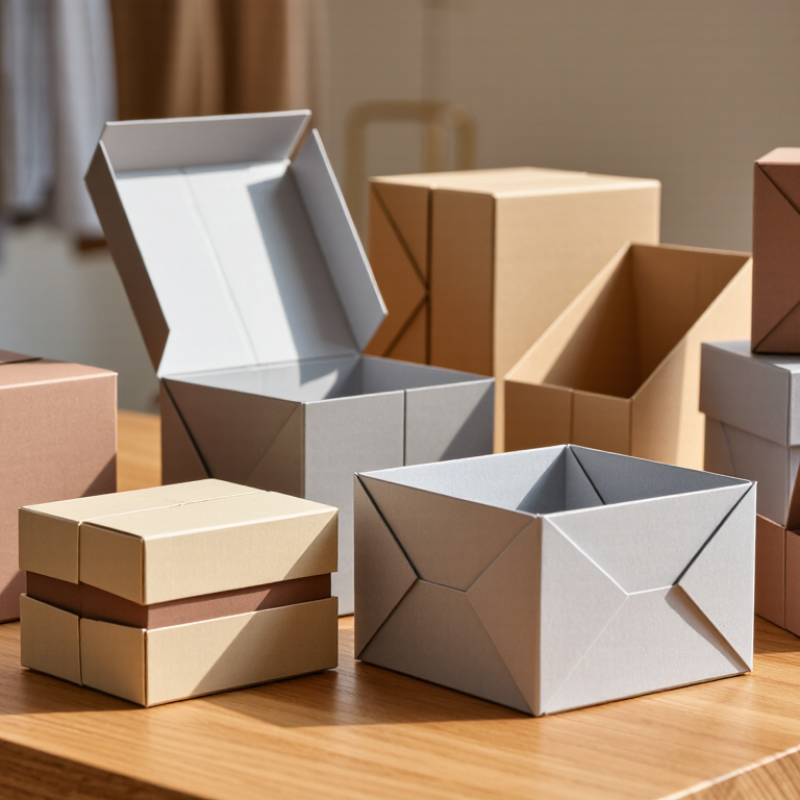
A designer paper box is more than a printed carton. It brings together structure, surface, graphics, and opening experience. A well-made box has clean corners, steady folds, and a lid that fits without forcing. Inside, a paper insert can hold a jar or small object firmly in place. The paper grain, muted coating, and restrained typography also shape how the product feels in the hand. Small details matter. Yet decoration alone does not make a box well designed; protection, usability, and material choices matter too.
Two Sides’ 2023 Trend Tracker found that 55% of surveyed consumers considered paper and cardboard packaging better for the environment than other packaging materials. PwC’s 2024 Voice of the Consumer Survey reported that consumers were willing to pay an average 9.7% more for sustainably produced or sourced goods. These findings offer context, not a guarantee that a particular box will change buying behavior. A paper box still needs to suit the product, avoid excessive empty space, and arrive in good condition. A glossy finish may photograph beautifully, but it can hide the paper’s texture. That trade-off deserves thought.
