
Why Choose Anodized Aluminum Profiles for Your Project?
An Anodized Aluminum Profile can offer a practical balance of low weight, corrosion resistance, and a clean architectural finish. Anodizing changes the aluminum surface through an electrochemical process, creating an oxide layer rather than adding a conventional paint film. The result can suit window frames, machine guards, display systems, and outdoor structures. It also comes in finishes that range from clear silver to darker tones.
The benefits depend on the alloy, coating thickness, and quality of processing. A profile used beside the coast may face different conditions from one installed inside a dry warehouse. Scratches, contact with other metals, and harsh cleaning products can also affect appearance over time. Details matter.
When comparing options, check the finish specification, dimensional tolerances, and compatibility with connectors or fasteners. Anodizing may slightly change dimensions, which can matter in close-fitting assemblies. Ask suppliers for technical data and, where appearance is critical, a sample made with the intended alloy and finish. A polished sample can look different under warehouse lighting than it does in daylight. Not always obvious.
Anodized aluminum is not automatically the right choice for every project. Some applications may need a different coating or additional protection. A careful review of the operating environment, maintenance needs, and budget can help determine whether the finish is a sound fit. This guide explores those trade-offs and the questions worth asking before you specify a profile.
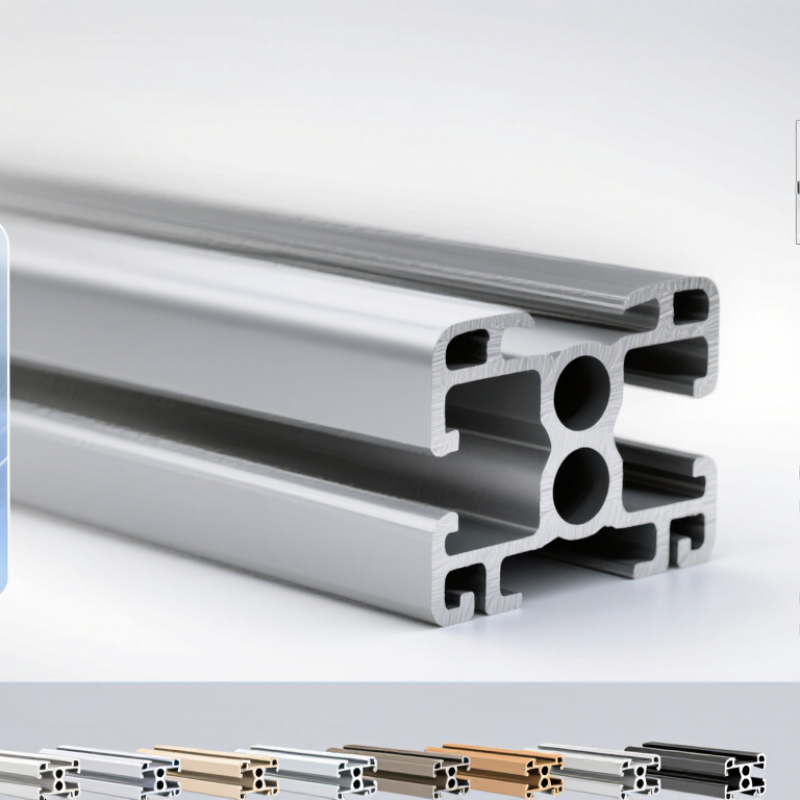
What Are Anodized Aluminum Profiles?
Anodized aluminum profiles are extruded aluminum shapes with a protective oxide layer created through an electrochemical process. This layer becomes part of the surface rather than sitting on top like ordinary paint. It can improve resistance to wear and corrosion while giving the profile a consistent finish. Profiles may be clear, colored, or matte. The result depends on the alloy, preparation, and anodizing conditions. It is not a universal finish.
Tips: Check the profile’s intended environment before choosing a finish. For outdoor use, ask about coating thickness and color stability. Small details matter.
Anodizing can suit frames, rails, and architectural trim that need a durable, clean-looking surface. It does not make aluminum immune to scratches, salt, or harsh chemicals. Edges and cut ends may also behave differently from the treated face. That distinction is easy to overlook. Before specifying a profile, compare samples under the project’s actual lighting and inspect corners closely. A finish that looks uniform in a catalog may appear different beside glass, stone, or warm interior lighting.
