
Why Choose a Smart Circuit Breaker for Your Projects?
Choosing the right protection device can shape a project’s safety, efficiency, and long-term operating cost. A Smart Circuit Breaker adds digital monitoring to traditional electrical protection. It can detect overloads, short circuits, and unusual current changes. Some models also provide remote switching through a secure mobile application.
That response can reduce unnecessary outages. Less downtime matters. In a workshop, a monitored breaker may reveal a motor drawing excessive current before failure occurs. In a commercial building, it can show which circuit is consuming energy after working hours. These practical details help technicians make decisions using measured data, not guesswork. My experience with connected electrical equipment also suggests a limitation: installation quality matters more than impressive software features. A poorly labeled panel still creates confusion.
Reliable selection requires more than checking a product’s communication options. Look for clear ratings, tested protection functions, durable construction, and compatibility with the project’s voltage and load. Verify whether the device supports local manual operation during network interruptions. Review manufacturer documentation, certification information, warranty terms, and technical support availability. An affordable model may become expensive if replacement parts are difficult to obtain.
A Smart Circuit Breaker is not automatically the best answer for every installation. Small projects may need only dependable conventional protection. Larger or more complex systems can benefit from alerts, usage records, and coordinated control. The right choice depends on real operating conditions, maintenance skills, and future expansion plans. This guide examines those factors carefully, while recognizing that connected technology still requires human judgment and regular inspection.
What Is a Smart Circuit Breaker and How Does It Work?
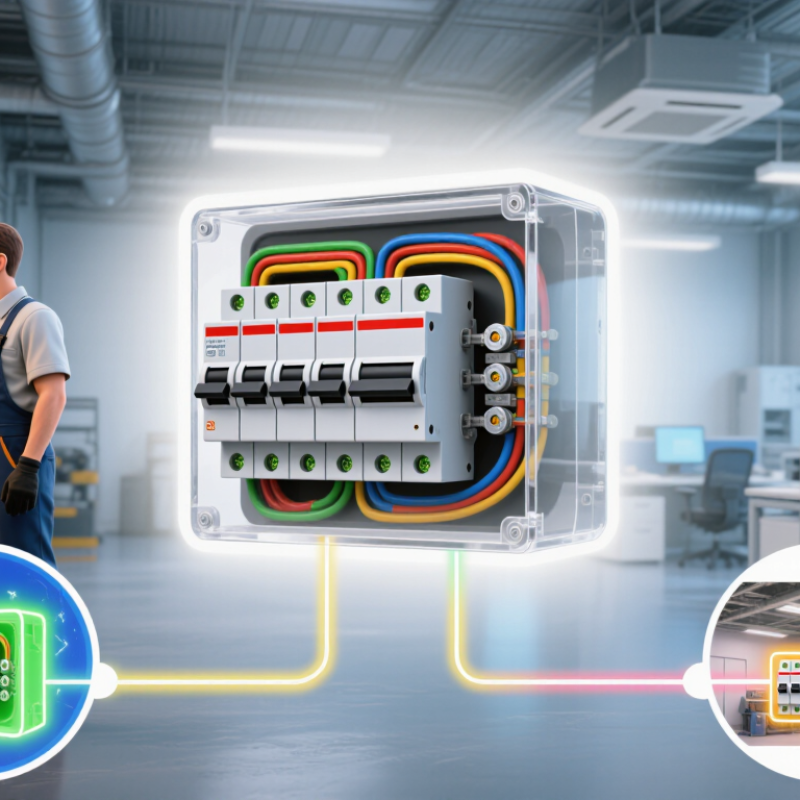
A smart circuit breaker combines conventional electrical protection with sensing, communication, and software. Unlike an ordinary breaker, it measures current, voltage, temperature, and sometimes power quality continuously. When current exceeds a safe threshold, its internal trip mechanism opens the circuit. The smart layer then records the event and sends an alert to a phone or building system. The protection remains local. Internet access should not be required for basic safety.
This matters as electrical demand becomes more complex. The International Energy Agency’s Electricity 2024 report forecasts global electricity demand to grow by about 3.4% annually from 2024 through 2026. More electric vehicles, heat pumps, and connected equipment can create uneven loads. A smart breaker may reveal a kitchen circuit heating every evening or a workshop drawing power after closing time. Small clues matter. Project teams can use this data to balance circuits, schedule heavy loads, and investigate abnormal consumption before a nuisance trip becomes a serious fault.
Still, the technology is not magic. Remote switching cannot repair damaged wiring or replace inspection. Installation must match the panel rating, conductor size, grounding system, and applicable electrical codes. A qualified electrician should verify these details. In practice, unclear circuit labels can weaken the value of excellent monitoring. Connectivity also fails. The breaker must still trip safely offline, while its stored data remains protected and understandable to the person maintaining the panel.
