
Why Choose a Sheet Metal Top Cover?
A top cover may look like a simple panel, but it helps define an enclosure’s protection, serviceability, and finished appearance. A well-designed Sheet Metal Top Cover can shield internal components from dust, accidental contact, and everyday handling. Its formed edges can also improve stiffness without adding bulky supports. Small details matter: a clean bend, aligned mounting holes, and a smooth edge can make assembly easier.
Material choice deserves more than a quick price comparison. World Steel Association’s World Steel in Figures 2024 reports global crude steel production of about 1.89 billion tonnes in 2023. That figure reflects the scale of the steel supply base, not the quality of any particular cover. For product teams, the practical questions are more specific: Does the material suit the environment? Can the finish resist scratches or corrosion? Will the cover maintain its shape around cutouts and fasteners? Aluminum may reduce weight, while steel can offer a sturdy, economical option. Neither is automatically better.
Design details matter most.
A cover’s real performance depends on thickness, forming, coating, tolerances, and how it joins the enclosure. Poorly designed seams may leave gaps. An unsuitable finish can wear at contact points. These are easy details to overlook, and they deserve review before production. This guide examines why manufacturers choose sheet metal, where it performs well, and what to check before specifying a cover. The right choice is rarely just about appearance. It should fit the product, the operating conditions, and the assembly process.
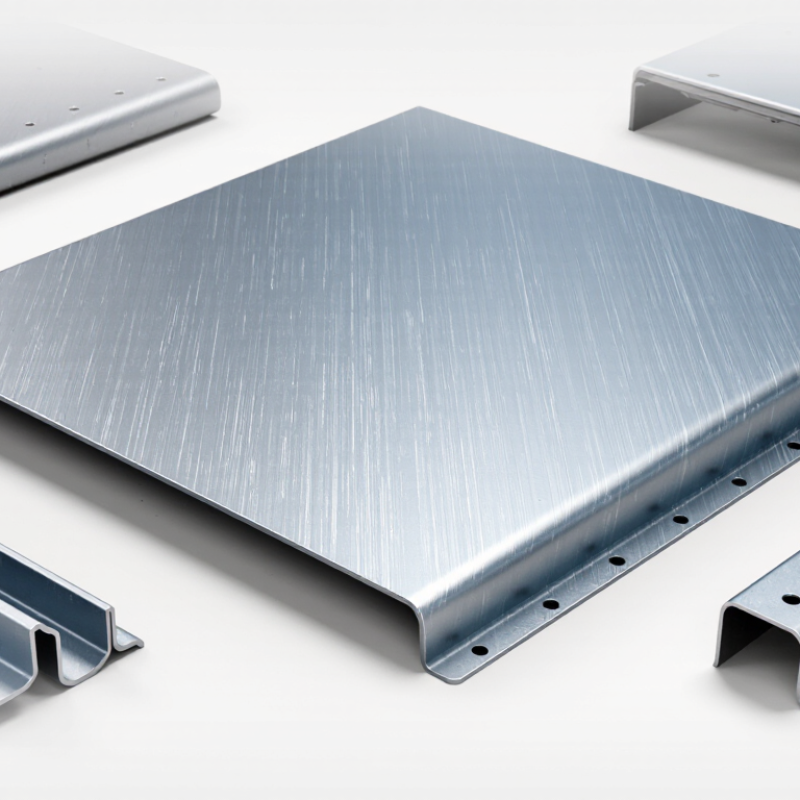
What Is a Sheet Metal Top Cover?
A sheet metal top cover is a formed panel fitted over the upper opening of a cabinet, machine, or electrical enclosure. It usually has folded edges or flanges for fastening, plus cutouts for cables, handles, or ventilation. Steel and aluminum are common choices. The right material and thickness depend on the load, environment, and how often the cover will be removed.
Its job is practical: shield internal parts from dust, accidental contact, and minor falling objects. A cover is not automatically waterproof or airtight; seams, fasteners, and openings can leave gaps. That detail matters. In real installations, a poorly aligned edge may rattle or expose components, even when the panel itself is sturdy. Specify coatings and edge finishes for the actual surroundings, especially where moisture or frequent handling is expected.
Material efficiency matters, too. World Steel Association’s 2023 sustainability indicators report that roughly 630 million tonnes of steel scrap are recycled each year, avoiding about 950 million tonnes of CO2 emissions. The International Energy Agency’s Iron and Steel Technology Roadmap notes that steel production accounts for around 7% of global energy-system emissions. These figures do not make every metal cover sustainable by default; they underline why sensible sizing, durable finishes, and recyclable material choices deserve attention. A cover that is too heavy or over-specified can be a quiet design mistake.
