
Why Choose a Scattering Laminating Machine?
Choosing a Scattering Laminating Machine starts with the materials, not the machine’s headline speed. The equipment distributes adhesive or bonding material across a surface before heat and pressure join the layers. Depending on the process, that can help create a more consistent bond on textiles, films, foams, or other flexible substrates. The exact result depends on the material and machine configuration.
Small details matter. A powder feed that scatters unevenly may leave thin patches or visible buildup. A temperature setting that works for one substrate may damage another. Not ideal. Buyers should compare working width, feed control, heating zones, line speed, and cleaning access against their actual production needs. Ask suppliers how they verify coating consistency, and request a trial using representative materials where possible.
A scattering laminating machine is not automatically the right choice for every line. Some products need a different adhesive method, while some factories may not have enough space or ventilation for the proposed setup. Review operating instructions, maintenance requirements, and applicable safety documentation before installation. These checks can reveal practical costs that a brochure does not show. It is also worth admitting that a sample run cannot predict every production issue. Still, careful testing gives teams a clearer basis for comparing bonding quality, waste, and operator workload before making a purchase.
What Is a Scattering Laminating Machine?
Why Choose a Scattering Laminating Machine?
What Is a Scattering Laminating Machine?
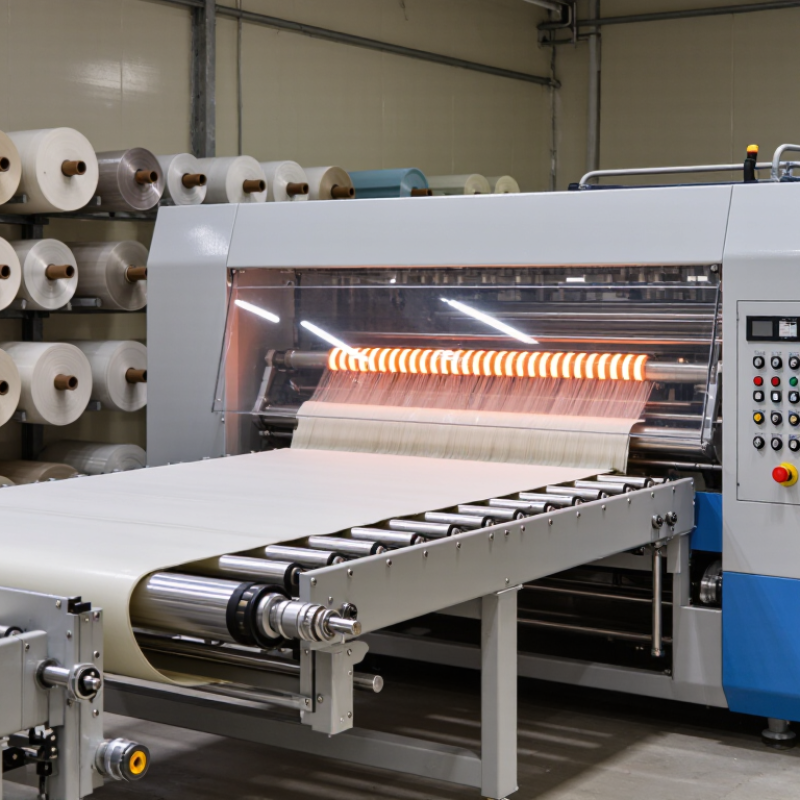
A scattering laminating machine joins flexible materials by spreading thermoplastic adhesive powder across a moving fabric or film. The powder is heated until it softens, then pressure helps bond a second layer to the first. In simple terms, it turns a fine, measured dusting into a bonded laminate.
The process depends on control, not just heat. Operators monitor powder coverage, web tension, temperature, and roller pressure. A pale veil of powder should cover the working width evenly; bare streaks may become weak points. It is not foolproof. Different fabrics and adhesive powders respond differently, so settings need testing before a full production run.
The scale of textile production helps explain why repeatable bonding matters. Textile Exchange’s Materials Market Report 2024 estimates that global fiber production reached 124 million tonnes in 2023, with a projection of 160 million tonnes by 2030. Those figures describe fiber output, not demand for laminating equipment. Still, they point to the volume and variety of materials manufacturers may need to process. A scattering system can suit applications where an even adhesive layer and flexible hand feel matter, provided the powder and substrate are compatible. The details matter.
