
Why Choose a Recycling Baler Machine?
Why Choose a Recycling Baler Machine?
Global waste volumes are rising faster than many facilities can handle. The United Nations Environment Programme reports that municipal solid waste may grow from 2.3 billion tonnes in 2023 to 3.8 billion tonnes by 2050. This pressure makes efficient material handling increasingly important.
A Recycling Baler Machine compresses cardboard, paper, plastics, and selected packaging into dense, stackable bales. Picture a busy warehouse: loose cartons fill walkways, while a properly sized baler creates uniform bundles ready for storage or collection. The U.S. Environmental Protection Agency’s Advancing Sustainable Materials Management reports show that paper and cardboard remain major recyclable material streams in the United States. Better sorting and compaction can support cleaner operations, lower storage demand, and fewer collection trips.
David Biderman, a recognized waste-management industry expert, states, “Recycling succeeds when materials are recovered efficiently and markets can use them.” His point matters. A baler is not a complete recycling strategy. Contamination, poor training, unsuitable wire, and weak buyer specifications can still reduce value. That is the uncomfortable part.
The right Recycling Baler Machine depends on material type, daily volume, moisture, available floor space, and operator experience. Energy use matters too. So does maintenance access. Facilities should compare capacity claims with real working conditions, not only brochure figures. Reports provide direction, but site data provides the final answer. A careful assessment can turn scattered recyclables into consistent, marketable bales. Small details matter.
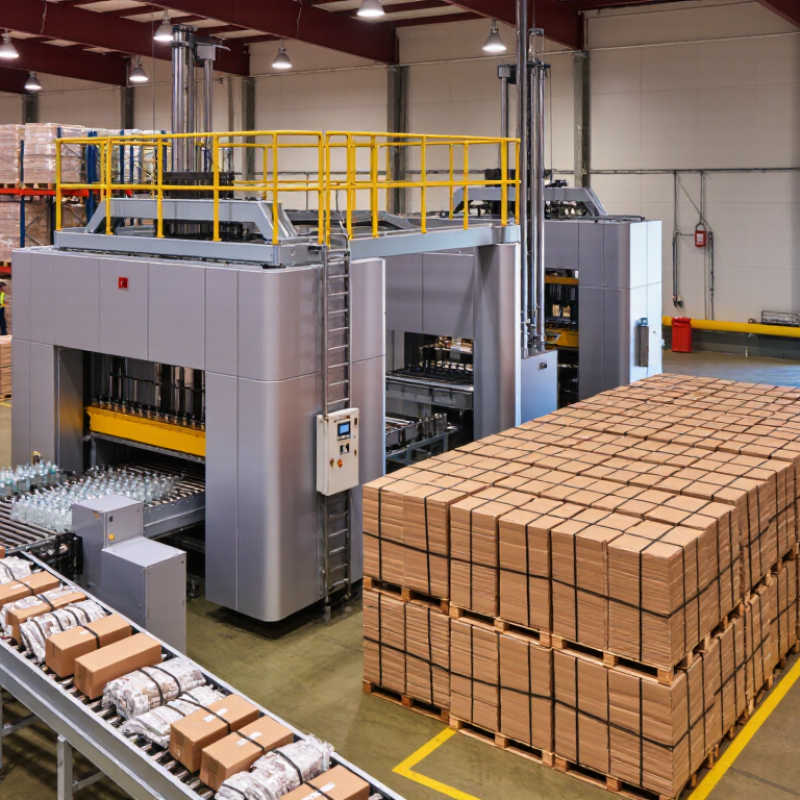
What a Recycling Baler Machine Is and How It Compresses Materials
A recycling baler machine is industrial equipment that compresses loose recyclable materials into compact bales. It commonly handles cardboard, paper, plastic film, textiles, and some light packaging waste. The operator loads materials through a feed opening or conveyor. Inside the chamber, a hydraulic ram pushes the material against a fixed wall. Pressure removes trapped air and reduces the material’s volume. The result is a denser, easier-to-handle bale.
The compression process depends on material type, moisture, and loading pattern. Cardboard usually forms firm blocks, while plastic film needs careful feeding to prevent stretching or uneven packing. Sensors can monitor the chamber and stop the ram when the selected pressure or bale size is reached. Ties, wire, or approved straps then hold the bale together. It is not a magic box. Poorly sorted loads still produce unstable bales.
In practical recycling facilities, operators check the chamber, hydraulic lines, and safety interlocks before use. They also remove loose material around the loading area. A clean chamber improves compression consistency. Overloading may strain the system and create irregular bales. Underloading wastes energy and storage space. These details seem minor, but daily handling often exposes weaknesses that a specification sheet misses. Regular inspections, clear training, and accurate material records support safer operation and more reliable bale quality.
