
Why Choose a Lithium Ion Battery Pack?
A Lithium Ion Battery Pack is often chosen for its useful balance of stored energy, weight, and rechargeability. In a cordless drill, it can keep the tool manageable while delivering steady power through repeated tasks. In an electric vehicle, a carefully engineered pack can support substantial driving range without taking up the entire cabin. These benefits make lithium-ion technology common in portable electronics, mobility, and energy storage.
But a battery pack is more than a row of cells. Its performance depends on cell quality, thermal management, wiring, and a battery management system that monitors voltage and temperature. Good design matters. Charging habits and operating conditions matter, too. Heat, deep discharges, or unsuitable chargers can shorten a pack’s useful life, so manufacturer guidance should not be treated as optional. The chemistry also involves trade-offs: energy density, cost, cycle life, and cold-weather performance vary across designs. There is no single best pack for every job. That point is easy to miss when product descriptions focus only on capacity. This article explores why people choose lithium-ion packs, what practical advantages they offer, and which details deserve a closer look before purchase. A little comparison helps. It can prevent expectations from outrunning real-world performance.
What a Lithium-Ion Battery Pack Is
Why Choose a Lithium Ion Battery Pack?
What a Lithium-Ion Battery Pack Is
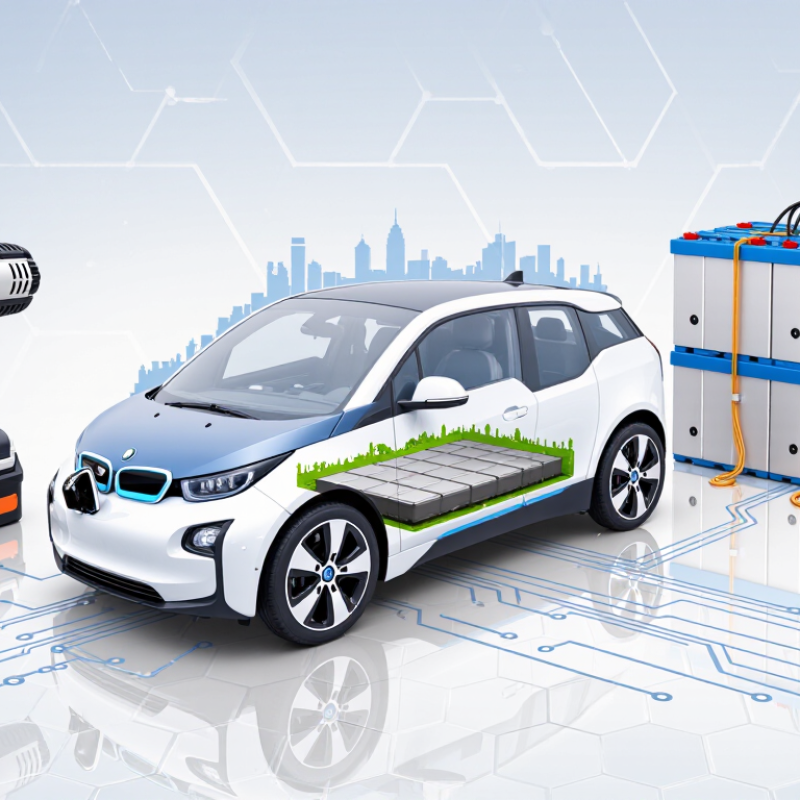
A lithium-ion battery pack is an assembled power system, not just a group of cells. Cells store and release energy through chemical reactions. They are connected in series, parallel, or both to provide the required voltage and capacity. Some designs group cells into modules; others use more integrated layouts. A pack also typically includes a battery management system, electrical connections, and a protective enclosure. Thermal controls may help keep cells within their intended operating range. The exact design varies.
The International Energy Agency’s Global EV Outlook 2024 reports that electric-car battery demand exceeded 750 gigawatt-hours in 2023, around 40% more than in 2022. That growth makes it useful to understand what a pack contains. A battery management system monitors factors such as cell voltage and temperature, and helps keep operation within defined limits. It cannot erase every risk. Pack performance also depends on chemistry, design, and operating conditions.
Consider a 48-volt pack rated at 20 amp-hours: multiplying voltage by capacity gives a nominal 960 watt-hours. Usable energy may be lower because controls, temperature, and load affect delivery. Small details matter. A loose connector or poor heat removal can affect performance. The label gives a starting point, not the whole story.
