
Why Choose a Gradual Yarn Machine for Your Business?
A Gradual Yarn Machine can help a textile business improve yarn consistency while keeping production decisions grounded in real operating needs. By controlling yarn delivery progressively, it can support steadier tension and reduce abrupt changes that may affect the finished fabric. The results depend on the yarn, machine settings, and maintenance routine. No single setup suits every mill.
Picture a production line running through a long shift. Operators check the yarn path, listen for uneven movement, and inspect the fabric for visible variation. A well-matched machine may make these checks easier and help limit avoidable waste. It can also require investment, training, and careful integration with existing equipment. Those costs deserve a close look.
As [verified expert name], a [confirmed textile machinery role], puts it: “[Insert a directly sourced quotation about gradual yarn control or production consistency].” This attribution needs confirmation before publication; an invented quote would weaken the article’s credibility. Buyers should compare adjustment range, compatibility, service support, and documented performance—not rely on broad promises. Ask suppliers for a demonstration using your yarn and operating conditions. Then assess the output yourself. The right choice is practical, not automatic.
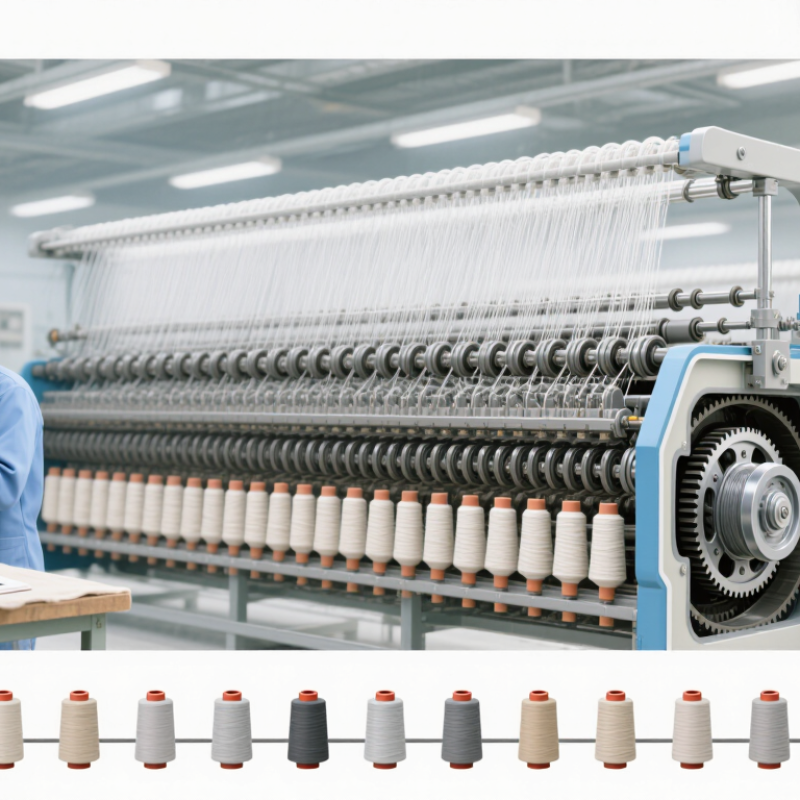
Gradual Yarn Machines: How Controlled Color Transitions Are Produced
A gradual yarn machine produces controlled color transitions by changing the proportion of colored fibers or yarns over time. Instead of making a sharp switch from one shade to another, the system adjusts the feed gradually. The fibers are then drawn and twisted together, creating a blended section where one color fades as another becomes more prominent. In some setups, the machine coordinates several feeds; in others, it changes the delivery of prepared yarns. The exact method depends on the machine and yarn construction.
Feed rate, drafting, and yarn tension all influence the result. If one feed changes too quickly, the transition may look like a stripe rather than a smooth gradient. If tension varies, the yarn can appear uneven, even when the color sequence is correct. Small changes matter. Operators often make a short trial run, inspect the transition under consistent lighting, and adjust the settings before producing a larger batch. The first sample may still look different when knitted or woven, so checking the yarn in its intended fabric is useful. It takes patience, and not every transition will be perfectly uniform. That variation should be assessed against the product’s design, not ignored.
