
What Is Food Wrapping Paper Made Of?
What Is Food Wrapping Paper Made Of?
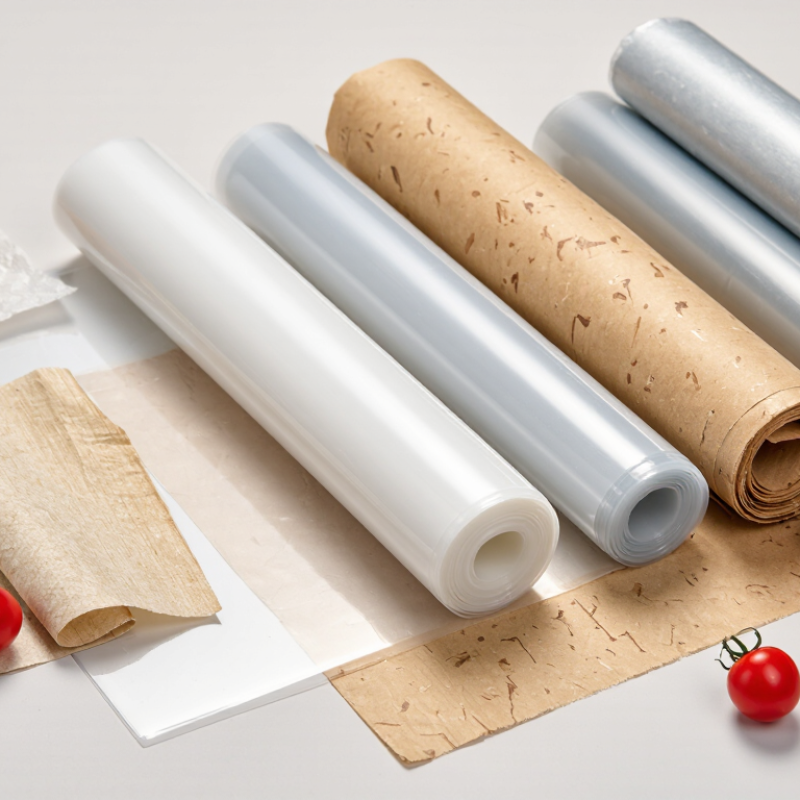
Food Wrapping Paper looks simple, but its structure can be surprisingly complex. The base is often paper made from virgin or recycled wood fibers. Some products use grease-resistant fibers, while others add coatings for stronger protection. These coatings may include wax, polyethylene, silicone, or plant-based materials. Each option changes the paper’s feel, performance, recyclability, and food-contact suitability.
Packaging expert Walter Soroka defines packaging as “the science, art, and technology of enclosing and protecting products.” That principle explains why Food Wrapping Paper is rarely just ordinary paper. A wrapper must resist oil from fried food, moisture from fresh produce, and heat from baked items. It may also need to prevent odors, stains, or direct contact with printing ink. Small details matter.
Material choice is not always obvious. A paper-coated wrapper may block grease well, yet its coating can complicate recycling. Recycled fibers may reduce demand for virgin resources, but they require careful control for food-contact use. There is no perfect material for every meal. That answer feels untidy, but it is more accurate.
Manufacturers should test strength, chemical migration, temperature resistance, and barrier performance. Buyers should also check product specifications, not only attractive “eco-friendly” claims. In practice, the safest and most responsible choice depends on the food, packaging process, disposal system, and intended shelf life. Sometimes the wrapper is the smallest part of the decision.
What Is Food Wrapping Paper?
Food wrapping paper is paper designed to touch, cover, or separate food. It usually begins with wood-based cellulose fibers. These fibers are pressed into thin sheets, then treated for strength and cleanliness. Some papers remain uncoated. Others receive wax, silicone, or a thin plastic layer.
The coating changes the paper’s behavior. Greaseproof paper helps resist oil from pastries and fried foods. Parchment-style paper tolerates oven heat when its instructions allow it. Waxed paper repels moisture but should not automatically go into an oven. Some wrapping papers also contain recycled fibers, though food-contact layers must meet applicable safety requirements.
The phrase sounds simple, but it hides an important detail. “Food wrapping paper” does not describe one single material. I check the package label before wrapping cheese, sandwiches, or warm food. A sheet can look clean and still be unsuitable for direct contact. Heat, acidity, and oily foods may affect different coatings. Compostable claims also need careful reading, because coatings and local facilities vary. I once assumed thinner paper was less protective; that was not always true. Fiber density and coating quality mattered more. Even familiar paper deserves a second look.
