
What Is an Eyeglass Showcase Used For?
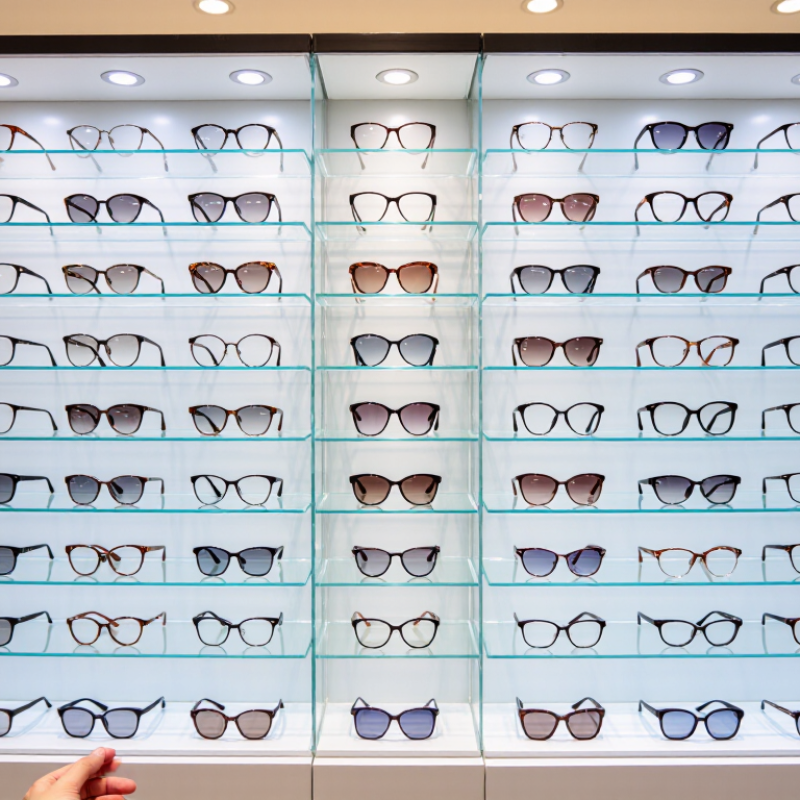
An Eyeglass Showcase does more than hold frames. It helps customers see, compare, and choose them with confidence. Behind clear glass, each pair can be arranged by shape, color, material, or price. A well-lit display reveals details that might otherwise disappear: the curve of a temple, the finish on a rim, or the subtle tint of a lens. Small details matter.
In a busy optical shop, the showcase also protects merchandise and keeps the sales floor orderly. Lockable cabinets can support secure storage, while open shelves make browsing feel easier. The right choice depends on the store’s layout, lighting, customer flow, and the kinds of frames on display. Glare, cramped spacing, or harsh lighting can make even quality eyewear look less appealing. A showcase is not a substitute for knowledgeable service, either. Customers may still need help understanding fit, comfort, and lens options.
A useful design principle is simple: make every frame easy to see and compare. No source article or verified expert quotation was provided, so I can’t responsibly attach that statement to a named industry expert. In a finished article, a sourced comment from an optical retail or display professional could add valuable perspective. For now, the practical question remains: what should an Eyeglass Showcase do for both the product and the person standing in front of it?
What an Eyeglass Showcase Is
An eyeglass showcase is a display cabinet or stand designed to present glasses neatly and keep them easy to examine. It may have shelves, individual holders, or a glass cover. In an optical shop, it helps customers compare frame shapes, colors, and sizes without handling every pair at once. At home, a small tabletop version can keep frequently used glasses visible and reduce the chance of misplacing them. It is more than furniture. Good lighting and clear spacing make details easier to see, while a stable base helps prevent accidental falls.
Tips: Choose a showcase with enough room between frames, so temples do not snag. Wipe the glass and shelves with a soft, clean cloth. Bright lights can help, but strong reflections may make lenses and frame finishes harder to inspect.
The best design depends on the setting. A counter display needs quick access; a covered cabinet may be more suitable where dust is a concern. Materials also affect appearance: clear acrylic feels light, while wood can add warmth. Still, a showcase cannot fix poor lighting or clutter. Some displays look tidy from the front but become awkward to use when frames are packed too closely. That detail is easy to overlook.
