
What Is an EMT Waterproof Connector?
An EMT waterproof connector joins electrical metallic tubing (EMT) to an enclosure while helping limit water entry at the connection. It is used where conduit runs may face rain, splashing, or damp conditions. The fitting typically includes a sealing component, such as a gasket, that compresses against the enclosure or conduit. Exact designs vary by manufacturer. Small details matter: a gasket that is pinched, missing, or poorly seated can undermine the seal.
The phrase “waterproof” can be misleading. Not every EMT connector is suitable for wet locations, and a sealed fitting does not make an entire conduit system waterproof. Look for the product’s stated environmental rating and follow its installation instructions. Check the connector size, enclosure opening, conduit fit, and required tightening method. A connector that feels snug is not necessarily installed correctly. It is worth pausing here. In practical work, the seal is only one part of the system; enclosure covers, entry points, and the condition of the conduit also matter. Emt Waterproof Connectors are therefore best understood as one component in a properly selected and assembled installation, not a universal fix for moisture. This guide explains how these fittings work, what features to examine, and where their limits deserve attention.
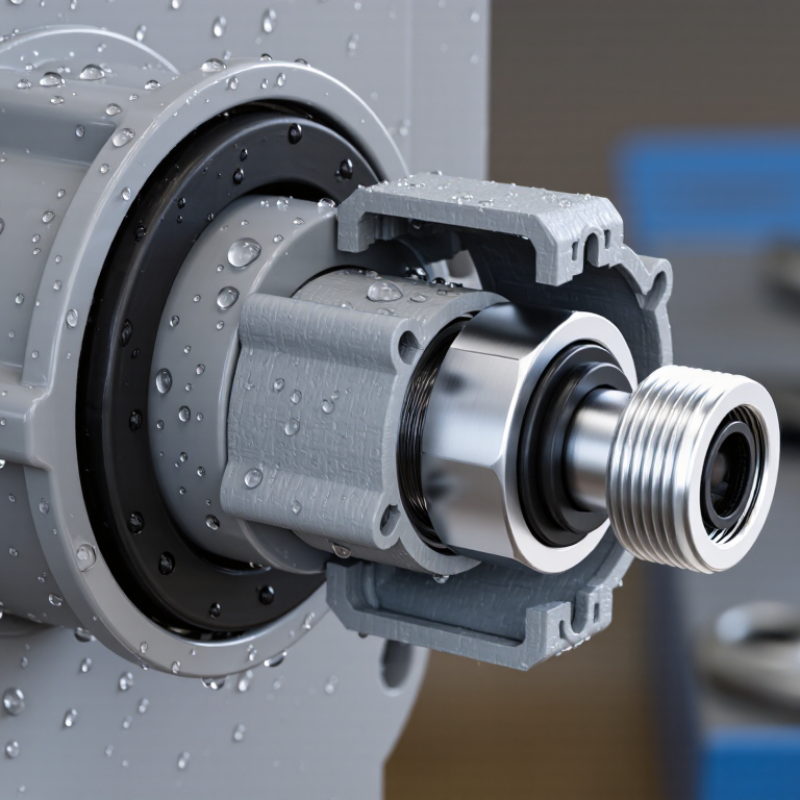
Definition and Purpose of an EMT Waterproof Connector
An EMT waterproof connector joins electrical metallic tubing to a box or enclosure while helping limit water entry at the connection. EMT is thin-wall metal conduit, but the tubing itself does not make an installation waterproof. The connector’s sealing design, rating, and installation all matter. A gasket or sealing ring compresses against the enclosure as the fitting is tightened. Small gaps can still admit moisture.
“Waterproof” is not a universal performance level. IEC 60529 defines IPX7 testing as temporary immersion in water up to one metre deep for 30 minutes. That benchmark applies only to products tested and marked for that rating; it does not automatically certify an EMT connector or a complete conduit run.
Check the fitting’s listing and instructions, then confirm the enclosure and installation method are suitable for the exposure. A connector rated for a wet location may not be suitable for standing water. Easy to overlook.
In practice, the fitting should match the tubing trade size and enclosure opening, with sealing surfaces clean and undamaged. Tighten it as specified, rather than relying on extra force to compensate for a poor fit. Even a well-rated connector cannot prevent water entering through an open conduit end or another weak joint. The rating label matters. So does the whole assembly.
