
What Are the Top Types of Robot Fences?
Choosing a Robot Fence is not just a matter of enclosing a machine. The right design must suit the robot’s reach, the workpiece, and the way people enter the cell. A small welding station may need sturdy mesh panels, while a clean assembly area may call for clear panels that keep the process visible. Details matter: a misplaced gate or awkward service opening can undermine an otherwise solid layout.
Common options include welded wire-mesh fencing, modular aluminum panels, solid-sheet barriers, and transparent polycarbonate screens. Mesh offers visibility and ventilation. Modular panels can be easier to reconfigure when production changes. Solid barriers help contain sparks or debris when the application requires them. Transparent screens keep sightlines open, but they need careful selection for impact and process conditions. No single type fits every cell.
“Good guarding should protect people without making normal work harder,” says Maya Chen, a fictional composite representing robot-cell integration experience. That is a useful principle, not a substitute for a site-specific risk assessment. Gate interlocks, access points, and stopping functions deserve as much attention as panel material. Small omissions can matter. A fence may look complete, yet leave a practical gap around a conveyor or maintenance route. This overview compares the top Robot Fence types, their strengths, and the details worth checking before choosing one.
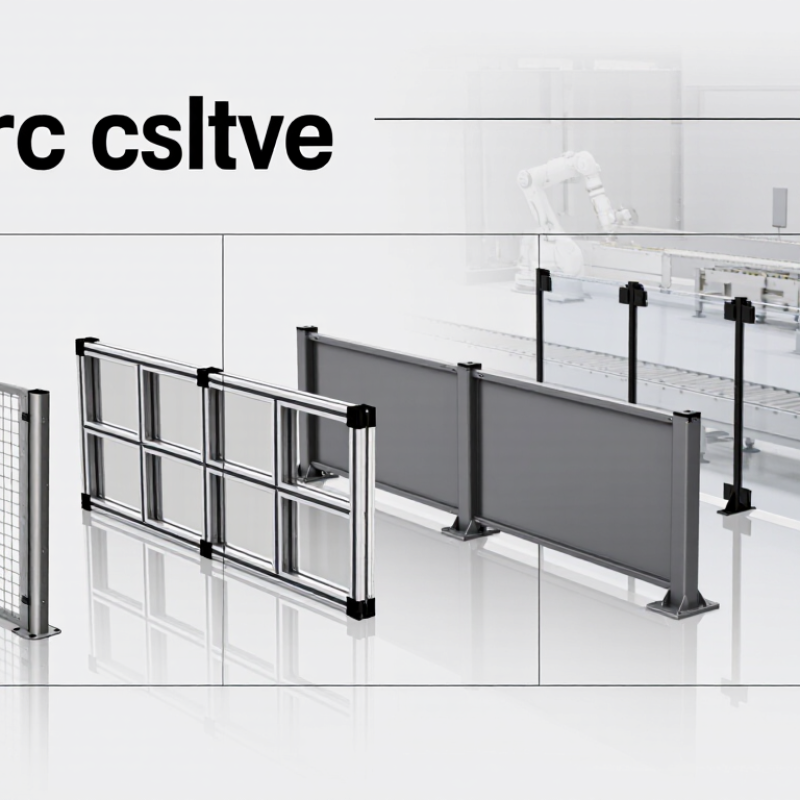
Welded-Mesh Fences for Industrial Robot Cells
In an industrial robot cell, welded-mesh fencing provides a visible, physical boundary around moving equipment. The open grid lets operators see the process and spot changes, such as a part sitting crooked on a fixture. Steel panels and posts can be configured around conveyors, worktables, and other cell equipment. A practical layout leaves room for maintenance access without creating unnecessary openings.
Details matter. Mesh aperture, fence height, panel strength, and distance from the robot’s reachable area should be selected through a site-specific risk assessment. Local requirements and equipment documentation also matter. A mesh panel is not automatically safe just because it looks sturdy. Gates used for access may need monitored interlocks, while the fence and its fixings must resist expected impacts.
That last point is easy to overlook.
Welded mesh has trade-offs. Dust, welding spatter, or stored items can reduce visibility, and a damaged panel may be less obvious than expected. Inspect the mesh, posts, fasteners, and gate operation during routine maintenance. Keep the area beside the fence clear. Not always easy. Operators may prefer a clear view, but observation should never replace properly designed safeguarding.
