
Top 10 ZWX Gear Motor Manufacturers for Global Buyers
Choosing a Zwx Gear Motor supplier is not just a price comparison. Buyers must match torque, speed, duty cycle, mounting style, and operating conditions to the actual application. A motor that performs well on a clean factory floor may struggle in a dusty workshop or under frequent starts. Small details matter. A clear nameplate, accessible technical drawings, and responsive after-sales support can save time during installation and maintenance.
This guide compares ten manufacturers for global buyers, focusing on product range, customization, documentation, quality practices, and export support. It also highlights questions worth asking before requesting a quotation, such as how suppliers verify rated performance and manage production changes. “A motor’s fit matters as much as its rated power,” says Ethan Cole, a fictional composite sourcing specialist created for this introduction. This is an illustrative quote, not a verified statement from a real person.
No list can name one universal winner. Applications differ, and published specifications do not always reveal performance under real operating conditions. Buyers should verify claims directly, request relevant test records, and confirm service arrangements for their destination market. That takes extra effort. It can also prevent costly mismatches. The manufacturers below offer a starting point for careful comparison, not a substitute for technical review.
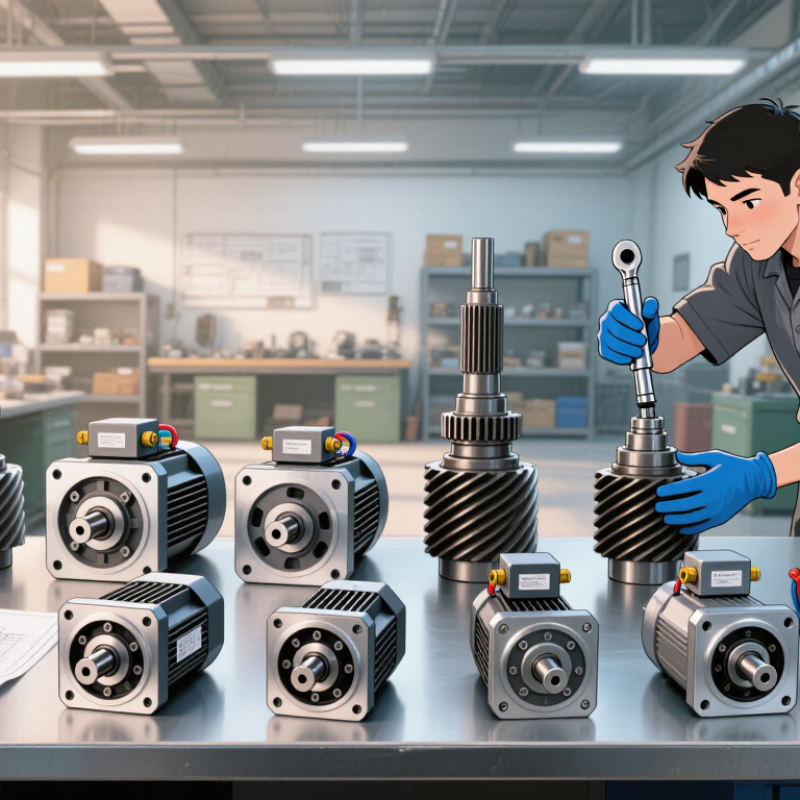
How ZWX Gear Motors Combine an Electric Motor with a Reduction Gearbox
A gear motor combines an electric motor and a reduction gearbox in one compact drive unit. The motor supplies rotation; the gearbox lowers output speed and increases available torque. In practice, this can help a conveyor move a loaded belt steadily without requiring a separate, oversized motor. The exact result depends on the gear ratio, motor power, and operating conditions.
Inside the gearbox, meshing gears transfer motion through a chosen ratio. A higher reduction ratio usually means slower output and greater torque, though real systems lose some energy to friction and heat. Small details matter. A motor that starts often, runs continuously, or faces sudden loads may need different sizing from one used for light, intermittent duty. Check the required output speed, starting torque, mounting position, and expected service hours before comparing specifications.
The integrated design can simplify installation and reduce alignment work between separate components. It may also make maintenance easier, but access and replacement options vary by construction. A neat specification sheet is not the whole story. Ask how the unit performs under the actual load, and allow room for reasonable safety margins. Even careful calculations can miss a rough start-up or an unexpectedly heavy product.
