
What Are the Top Wholesale Food Packaging Types in 2026?
Wholesale Food Packaging in 2026 will be shaped by practical demands: protecting food, controlling costs, and fitting real distribution systems. A chilled meal tray faces different pressures from a flour sack or a carton of berries. Buyers therefore need more than a list of materials. They need to compare formats against product weight, moisture, shelf life, transport distance, and handling conditions.
Market data points to a substantial sector, but forecasts are not guarantees. Grand View Research estimated the global food packaging market at approximately $456.3 billion in 2023 and projected continued growth through 2030. Its estimate reflects a broad market definition, so figures may differ across research firms. The FAO’s 2019 State of Food and Agriculture report estimated that about 14% of food is lost between post-harvest and retail. Packaging alone cannot prevent that loss, but suitable barriers and protective formats can help reduce damage and spoilage.
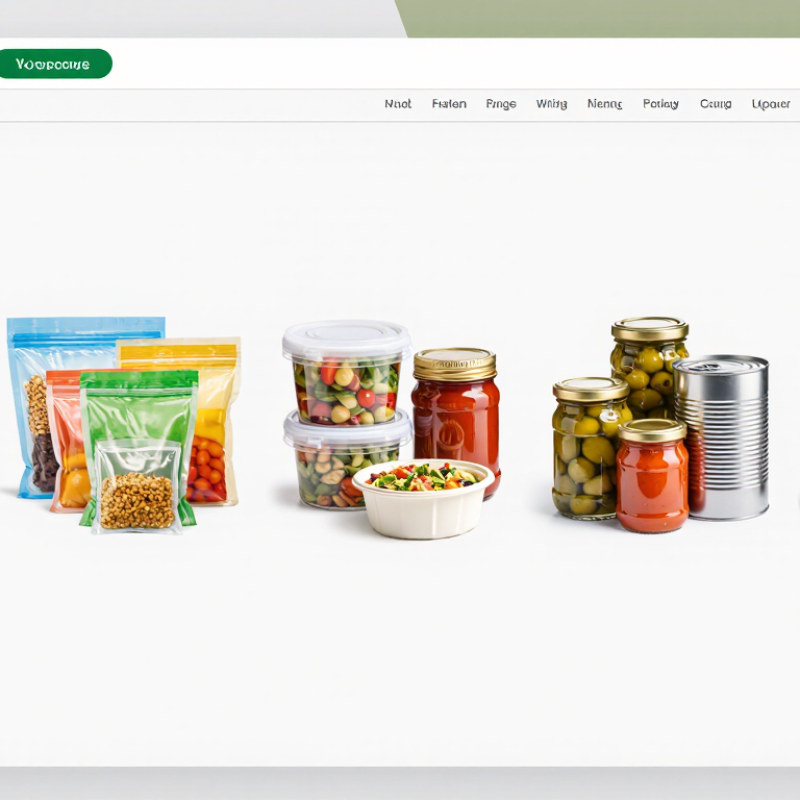
The sections ahead examine common wholesale options, including corrugated cases, flexible films and pouches, rigid plastic containers, glass jars, metal cans, and fiber-based packs. Each has trade-offs. Corrugated cases stack well in a warehouse; flexible pouches use less space, yet may not suit every product or recycling system. Not every format wins. In practice, the best choice depends on food safety requirements, machinery, storage conditions, and the buyer’s supply chain. Those details deserve careful review, and broad sustainability claims should be checked against the actual package and local recovery options.
What Wholesale Food Packaging Means in 2026
In 2026, wholesale food packaging means more than buying containers in bulk. It is a practical system for protecting food, moving it through distribution, and presenting it consistently at scale. A buyer may compare a carton’s stacking strength, a pouch’s seal, and how easily staff can open or label each unit. Small details matter. A weak seal can create waste; oversized packaging can consume storage space and transport capacity.
The need is substantial, but packaging is not a cure-all. The FAO’s 2019 State of Food and Agriculture estimated that 14% of food was lost between harvest and retail. That figure does not show how much packaging could prevent, so claims should stay measured. Material choices also carry trade-offs. The OECD’s Global Plastics Outlook (2022) reported that packaging represented 40% of global plastic waste in 2019. For wholesale buyers, the task is to balance food protection, handling needs, and material use—not simply choose the lightest option. Sometimes the best format is still a compromise. In 2026, responsible sourcing means checking product requirements, supplier specifications, and local recycling availability before placing large orders. A package described as recyclable may not be accepted by nearby collection systems. That gap deserves attention.
