
What Are the Top Water Ripple Panel Types in 2026?
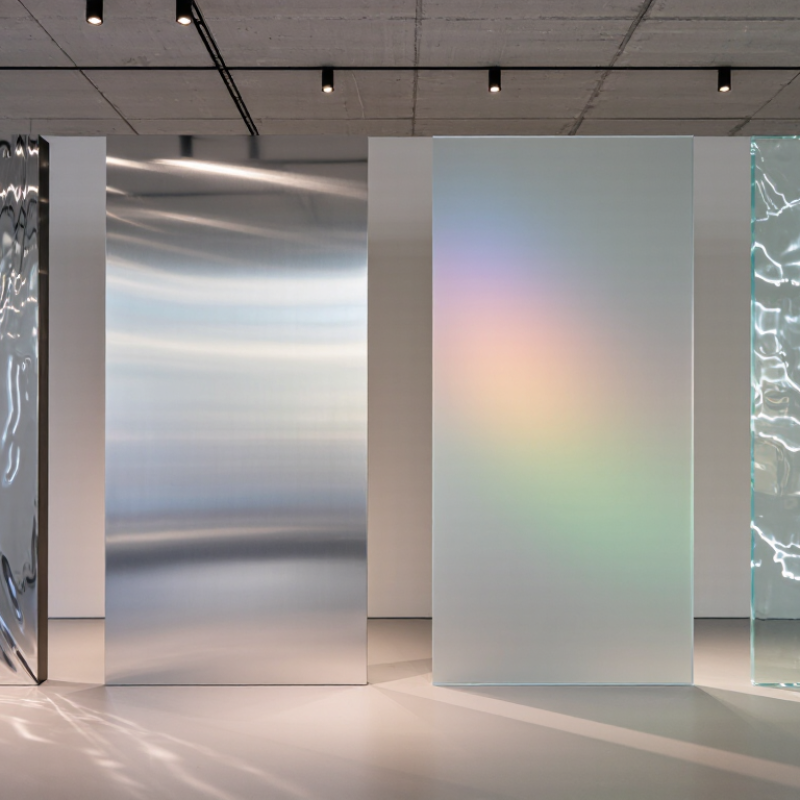
Water Ripple Panels turn reflected light into a moving design feature. Their shallow, irregular surface catches windows, ceiling lights, and nearby colors, creating shifting highlights across a wall or ceiling. In 2026, choosing a panel means looking beyond appearance. Material, finish, panel size, installation method, and room conditions all affect the final result.
This guide compares the main types: stainless steel, aluminum, glass, and acrylic options. Stainless steel can provide a durable, reflective finish, while aluminum may offer a lighter alternative. Glass brings a distinct visual quality, but its weight and handling needs deserve careful attention. Acrylic can be easier to work with in some settings, though its surface may respond differently to scratches and cleaning. Details matter.
A showroom sample is useful, but it cannot show how a full installation will look under changing light. Ask suppliers for clear product specifications, finish samples, maintenance guidance, and installation recommendations. Check that panel dimensions suit the project, and confirm how edges and joints will appear. Small gaps can stand out.
The best choice depends on the space, budget, and desired reflection—not a universal ranking. Some buyers may favor a bold mirror-like effect; others may prefer a softer ripple. The comparison ahead explains what each type does well, where compromises arise, and which questions help prevent surprises. A little uncertainty is healthy: lighting and workmanship can change the outcome.
What Defines a Water Ripple Panel in 2026?
What Are the Top Water Ripple Panel Types in 2026?
What Defines a Water Ripple Panel in 2026?
A water ripple panel is a decorative surface shaped with flowing ridges or shallow waves. It does not contain water. Instead, its raised pattern bends light and creates moving highlights as people pass or lighting changes. The effect can be subtle, like soft lines across frosted glass, or bold, with deeper grooves and sharper shadows. In 2026, the term describes a design feature rather than one fixed material or product category.
Panels can be grouped by material, ripple depth, and use. Glass offers crisp reflections, while acrylic is lighter and easier to handle. Metal can add a more structured, reflective finish. Shallow ripples tend to suit calm interiors; deeper textures make a stronger visual statement. Yet the best choice depends on viewing distance, lighting, cleaning needs, and the surface behind the panel. I have seen a sample look elegant under warm light but overly busy beneath bright ceiling spots. Context matters.
