
Top Waste Bale Press Machines for Sale?
Choosing among the top Waste Bale Press Machines for sale is not just a matter of comparing price tags. The right machine must match the material, daily volume, available floor space, and downstream transport needs. A narrow feed opening can slow cardboard loading; an undersized press may leave a crew waiting during a busy shift. Small details matter.
A composite recycling-equipment specialist, Daniel Mercer, puts the practical test this way: “A press earns its place when its bale fits the truck, the storage area, and the next process.” Treat that as a useful buying principle, not a verified quotation from a real individual. Buyers should compare bale dimensions and density alongside cycle time, motor power, controls, guarding, and access for maintenance. Ask suppliers how their quoted throughput was measured. A clean test with dry material may not reflect a mixed, dusty workday.
This guide looks at machine types and features that shape real operating costs. It also considers service support, installation requirements, and the materials each press can handle. The Waste Bale Press Mac search phrase may appear in supplier listings, but product naming alone tells you little about performance. Request specifications in writing, then check whether they suit your own site. There is no perfect press. Even a strong machine can disappoint when feed habits, staffing, or bale handling are overlooked. A careful comparison helps narrow the field—and exposes the assumptions worth questioning before purchase.
What Is a Waste Bale Press and How Does It Work?
Top Waste Bale Press Machines for Sale?
What Is a Waste Bale Press and How Does It Work?
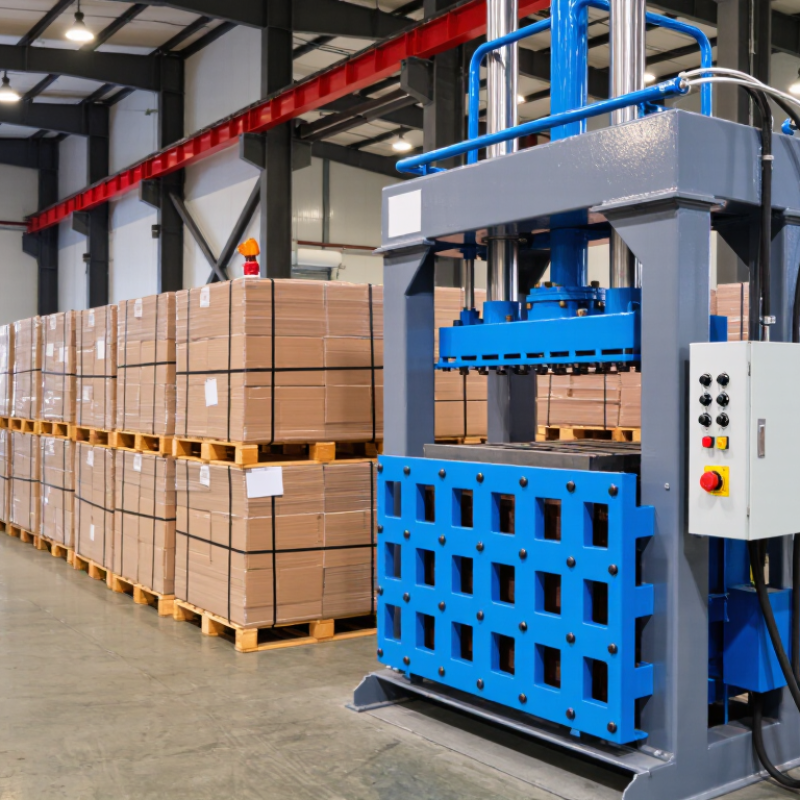
A waste bale press, also called a baler, compresses loose recyclable materials into dense, manageable bundles. Operators load cardboard, paper, or selected plastics into a chamber. A hydraulic ram pushes the material against a platen, reducing its volume. Once the bale reaches the required size, workers secure it with wire or strapping and eject it for storage or transport. The process is straightforward, but a press does not sort or clean mixed waste.
The U.S. Environmental Protection Agency reported that Americans generated 292.4 million tons of municipal solid waste in 2018. About 69 million tons were recycled, while roughly 25 million tons were composted (EPA, Advancing Sustainable Materials Management: 2018 Fact Sheet, 2020). These figures show why reliable material handling matters, though they do not predict a facility’s own savings. When comparing machines for sale, check bale dimensions, loading method, cycle time, power needs, and service access. A model that looks efficient on paper may not fit a narrow work area.
Tips: Match the press to your daily material volume and available floor space. Keep the chamber clear, train operators, and follow the machine’s safety instructions. A small operating detail can matter.
