
What Are the Top VCB Circuit Breaker Types in 2026?
In 2026, choosing a Vcb Circuit Breaker is less about finding one universal winner. It is about matching the breaker to the network, installation conditions, and maintenance plan. Vacuum circuit breakers are widely used in medium-voltage systems because their interrupters extinguish arcs in a sealed vacuum. Yet the best option depends on more than that feature.
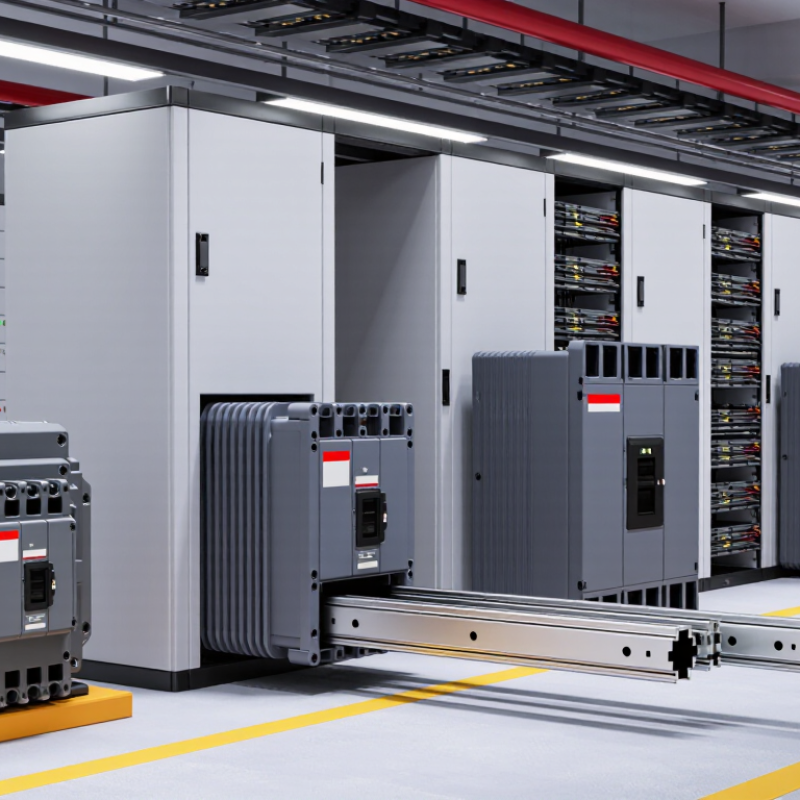
This guide compares common VCB types by installation and application, including indoor and outdoor models, fixed and withdrawable designs, and breakers selected for specific equipment or operating duties. Each choice brings practical trade-offs. A withdrawable breaker can simplify inspection or replacement in compatible switchgear, while a fixed unit may suit a simpler installation. Space, access, and service procedures matter.
Ratings matter, too. Buyers and engineers should check rated voltage, continuous current, short-circuit breaking capacity, insulation requirements, and the switchgear’s compatibility. Details matter. Product descriptions can use similar labels, but those labels alone do not establish suitability. Always verify the manufacturer’s technical data against the actual system design and applicable project requirements. A 2026 comparison should also consider operating mechanisms, available monitoring features, and long-term support—not just purchase price. Some applications offer no tidy winner. This overview provides a practical starting point, while final selection should be reviewed by qualified electrical professionals familiar with the installation.
How Vacuum Circuit Breakers Interrupt Electrical Faults
What Are the Top VCB Circuit Breaker Types in 2026?
How Vacuum Circuit Breakers Interrupt Electrical Faults
A vacuum circuit breaker (VCB) stops fault current inside a sealed interrupter. When contacts separate, a brief metal-vapor arc forms between them. At the next alternating-current zero crossing, the arc extinguishes. Metal vapor condenses quickly on the contacts and shield, helping the gap regain insulation strength before voltage returns. The key event is brief. A faint click from the operating mechanism may be all an observer hears, though the fault current can be enormous.
IEC 62271-100:2021 covers AC circuit breakers operating above 1 kV and defines short-circuit breaking and transient-recovery-voltage test duties. Those tests matter: a breaker must interrupt current and withstand the steep voltage that follows. Engineers compare rated breaking current, operating sequence, and recovery-voltage capability, rather than relying on a single kA figure. In service, technicians also inspect contact wear and mechanism timing; a strong interrupter cannot compensate for a sluggish mechanism. One caveat deserves attention: switching inductive loads can create overvoltages, so system design may require surge protection. The vacuum gap is effective, not magical.
