147 Mill Ridge Rd Suite 232
Lynchburg, Virginia 24502
Phone 757-982-3665

What Are the Top Types of Vertical Lifts in 2026?

Vertical Lifts are not one machine category. In 2026, the term may describe compact personnel lifts, vertical mast lifts, scissor lifts, home platform lifts, or goods-only systems. Their shared purpose is simple: move people or materials vertically. The right choice, however, depends on the setting.

Market reports offer useful context, but their categories need careful reading. Grand View Research valued the global elevator market at about $88.7 billion in 2023 and projected 6.7% annual growth from 2024 to 2030. That figure covers the broader elevator sector, not vertical lifts alone. It signals investment in vertical transportation, but should not be treated as a forecast for every lift type. Different jobs need different equipment.

Safety data matters, too. The International Powered Access Federation’s Global Safety Report tracks reported powered-access incidents and highlights persistent work-at-height risks. It does not represent every residential or warehouse lift. Still, its findings reinforce a practical point: capacity, guarding, ground conditions, and operator training deserve attention alongside price and reach. A machine that fits the floor plan may still be wrong for the task.

This guide compares leading lift types by typical use, working height, footprint, load capacity, and operating environment. It also distinguishes people-moving equipment from material lifts, which are not interchangeable. Small details matter. Door width, uneven floors, and daily travel distance can change the decision. The categories overlap, and no shortlist replaces a site assessment. That is worth admitting.
What Are the Top Types of Vertical Lifts in 2026?

How Vertical Lifts Are Defined and Classified

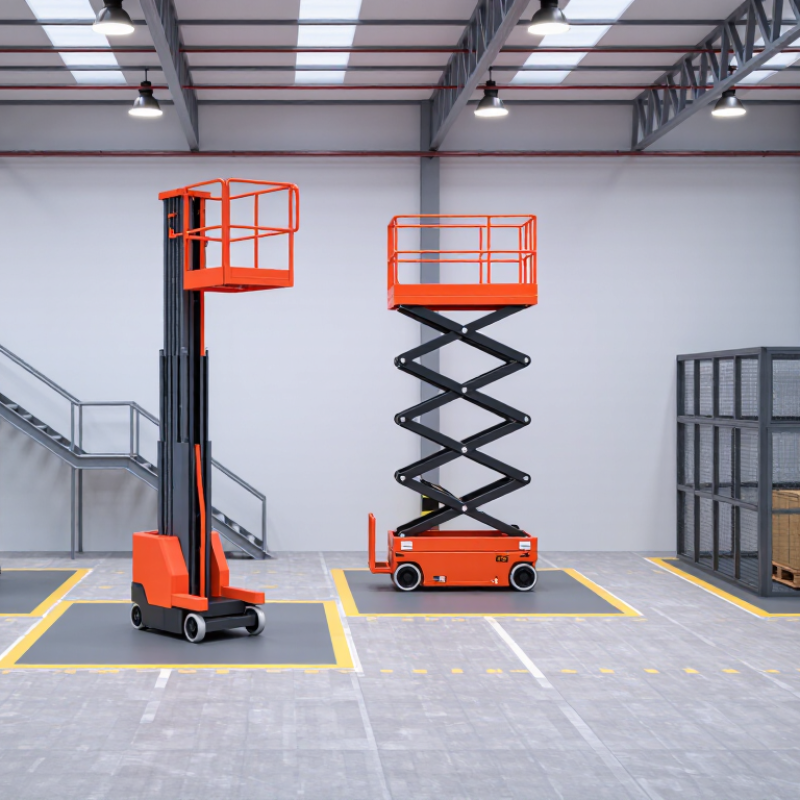
Vertical lifts move people or materials upward within a compact footprint. They are classified by platform design, working height, load capacity, and whether they can travel while raised. ANSI/SAIA A92.20 groups mobile elevating work platforms by where the platform sits relative to the machine’s tipping line. Group A platforms stay within it; Group B platforms can extend beyond it. Vertical mast and scissor lifts are common Group A examples.

That classification describes operating behavior, not just appearance. A vertical mast lift suits narrow indoor aisles, while a scissor lift offers a larger work deck for tools and materials. The IPAF 2024 Global Safety Report recorded 4,374 reported incidents across 34 countries in 2023, including 85 fatalities. These are submitted reports, not exposure-adjusted risk rates. Still, they show why matching the lift to the task and checking its controls matter. Labels can be confusing.

Tips: Check the rated load, floor condition, and required working height before selecting a lift. Confirm whether elevated travel is permitted. A few centimeters of clearance can decide whether a compact mast fits beneath a doorway.

Scissor Lifts for Stable, Straight-Up Access

What Are the Top Types of Vertical Lifts in 2026?

Scissor Lifts for Stable, Straight-Up Access

Scissor lifts raise a platform vertically, making them useful when workers need steady access above a fixed work area. Their wide platforms can hold an operator, tools, and materials within the rated capacity. Think of changing ceiling lights in a warehouse: the lift moves straight up, rather than reaching around an obstacle. Simple, but not effortless. Choose a model suited to the floor surface and required working height. Indoor electric lifts often suit smooth floors, while rough-terrain versions are designed for outdoor conditions. Always check the manufacturer’s instructions and rated load before use.

Stability depends on more than the lift’s design. Set it on firm, level ground, and keep the platform load within its limit. Guardrails should stay in place, and workers should avoid leaning out to reach a distant spot. That shortcut can change the balance. Inspect wheels, controls, and visible damage before operating; if something seems wrong, pause and report it. A busy site can make small checks feel easy to skip. They still matter.

Tips: Plan the lift’s route before raising the platform. Watch for overhead beams, door frames, and uneven floor transitions. Keep tools secured, and lower the platform before moving unless the model’s instructions specifically allow movement while elevated. When in doubt, stop and check the operating manual.

Mast and Personnel Lifts for Compact Workspaces

What Are the Top Types of Vertical Lifts in 2026?
Mast and Personnel Lifts for Compact Workspaces

In compact work areas, mast and personnel lifts can provide vertical access without the wide turning space required by many larger machines. A single-mast lift suits light-duty tasks in narrow aisles, such as changing a ceiling fixture or checking overhead cabling. Two-mast models generally offer a broader platform for a worker and selected tools. Personnel lifts are designed to raise people for work at height, but their platform size and reach vary. Measure doorways, aisle widths, and overhead obstructions before choosing. A small footprint helps, but it does not solve every access problem.

Tips: Check the lift’s rated capacity, platform dimensions, and required floor conditions in its manual. Inspect wheels, controls, guardrails, and the surrounding floor before use. Keep tools secured, and avoid leaning beyond the platform rails. Plan the route first. A tight corner can still stop a lift that fits through the doorway.

The right choice depends on the task, not just the maximum working height. For brief indoor maintenance, a compact mast lift may be easier to position and store. For tasks needing more platform room, compare suitable two-mast or personnel-lift designs. Check whether the machine can pass through the workspace when lowered, and confirm that the floor is firm and level as specified. This part is easy to overlook. Even experienced crews can misjudge clearance when ducts, lights, or shelving sit just above the work area. Follow the operating instructions and use trained operators; compact equipment still needs careful setup.

Vertical Platform Lifts for Accessible Travel

What Are the Top Types of Vertical Lifts in 2026?
Vertical Platform Lifts for Accessible Travel

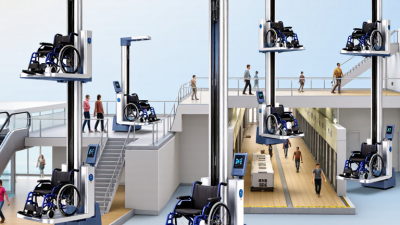
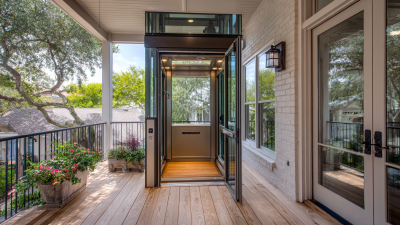
Vertical platform lifts can make a porch, raised entrance, or split-level home easier to navigate. They carry a person using a wheelchair or mobility aid between landings without requiring a ramp’s long approach. Open models suit many short rises, while enclosed designs can provide extra protection from weather or exposure. Through-floor lifts may work inside a home, but they need suitable space and professional assessment.

The right lift depends on the route, not just the height. Check the platform size, doorway clearance, turning space, controls, and access to power. Outdoor units need protection suited to local weather. Ask how the lift behaves during a power interruption and what routine servicing involves. Installation requirements vary, so confirm details with a qualified local professional. A lift can solve one barrier and still leave an awkward doorway; that part is easy to overlook.

Tips: Measure the full path, including landings. Try the controls from a seated position, if possible. Keep the approach clear, and consider who will help if the lift stops unexpectedly.

What Are the Top Types of Vertical Lifts in 2026? - Vertical Platform Lifts for Accessible Travel

Lift type Typical setting Usual travel profile Key accessibility features Planning considerations
Open vertical platform lift Homes, community buildings, and public entrances with a short level change Usually serves one or a few stops; permitted rise depends on the lift design and applicable local code. A wheelchair user rides on a platform; controls can be positioned for seated or standing use. Check clear approach space, platform and doorway dimensions, guarding, and required landing gates.
Enclosed vertical platform lift Indoor or outdoor locations where a protected liftway is preferred Can serve multiple landings within the travel limits of the selected model and local requirements. Enclosure and interlocked landing doors help protect the travel path and platform edges. Requires space for the enclosure, suitable structural support, and coordinated electrical and building work.
Through-floor residential lift Private homes connecting adjacent floors Typically travels between two floors through a floor opening, subject to model specifications. Provides seated or wheelchair access between levels without requiring a separate lift shaft in some designs. Requires assessment of floor structure, opening location, headroom, and protection of the opening when the lift is away.
Outdoor weather-rated platform lift Exterior porches, raised entrances, terraces, and accessible routes Usually handles a localized change in level; exact rise and operating conditions vary by model. Platform access can provide an alternative to steps for wheelchair and mobility-device users. Specify suitable weather protection and drainage; consider temperature, wind, corrosion, and maintenance access.
Commercial low-rise platform lift Shops, schools, worship spaces, and other public-use buildings Designed for a limited number of stops and a defined rise; code classification depends on the installation. Can connect an accessible route across a short level change where a ramp is impractical. Confirm applicable accessibility and lift-safety rules, permitted use, operating controls, and inspection requirements.

Note: Lift travel, platform size, rated load, safety features, and permitted use vary by model and jurisdiction. Verify project requirements with local authorities and a qualified lift professional.

Material Lifts for Raising Tools and Equipment

What Are the Top Types of Vertical Lifts in 2026?

Material lifts raise tools, equipment, and building supplies to elevated work areas. They are a practical choice when a ladder cannot safely support the load. Common options include hand-winch lifts for occasional, lighter tasks, electric lifts for frequent indoor use, and hydraulic models for heavier loads. Portable designs can move between job sites, but wheels do not make every surface suitable. Small details matter. Check the rated capacity, platform size, and required clearance before choosing a model.

Tips: Keep the load centered and secured. Use the lift on a firm, level surface, and follow its operating instructions. Inspect cables, wheels, and locking parts before use. Never ride on a material lift unless it is specifically designed for raising people. No shortcuts.

Match the lift to the actual task, not just the highest reach listed on its specification sheet. A narrow doorway may rule out a wide platform; a low ceiling may limit mast height. Electric models can reduce manual effort, though they need a suitable power source and regular checks. Hand-winch units may be simpler, but raising heavy equipment repeatedly can slow a crew. It is easy to focus on lift height and overlook setup space. That is worth reconsidering.