
What Are the Top Types of Treatment Plants?
A Treatment Plant is designed to improve water quality for a specific purpose. Some facilities make river or reservoir water safe to drink. Others clean sewage before treated water returns to the environment. Industrial plants handle process water, while desalination facilities remove salts from seawater or brackish sources. These systems may look similar from the road, but their equipment and operating goals can differ greatly.
The phrase “top types” depends on what a community needs. A municipal wastewater plant may use screens, settling tanks, biological treatment, and disinfection. A drinking-water plant may rely on filtration and carefully controlled chemical treatment. Desalination plants often use reverse osmosis, which requires substantial energy and regular membrane maintenance. Stormwater facilities may capture sediment and debris during heavy rain. Small package plants serve sites without access to large municipal systems. Each type has trade-offs. There is no universal best option.
Plant selection depends on incoming water quality, required output, energy access, local conditions, and applicable standards. Operators also monitor flow, equipment performance, and laboratory results; a clear-looking sample alone is not proof of safety. A site visit can reveal practical details, such as sludge handling or how tanks are protected from weather. Still, a short overview cannot replace engineering studies or local operating data. That limitation matters. Understanding the main plant types is a useful starting point, not a final design decision.
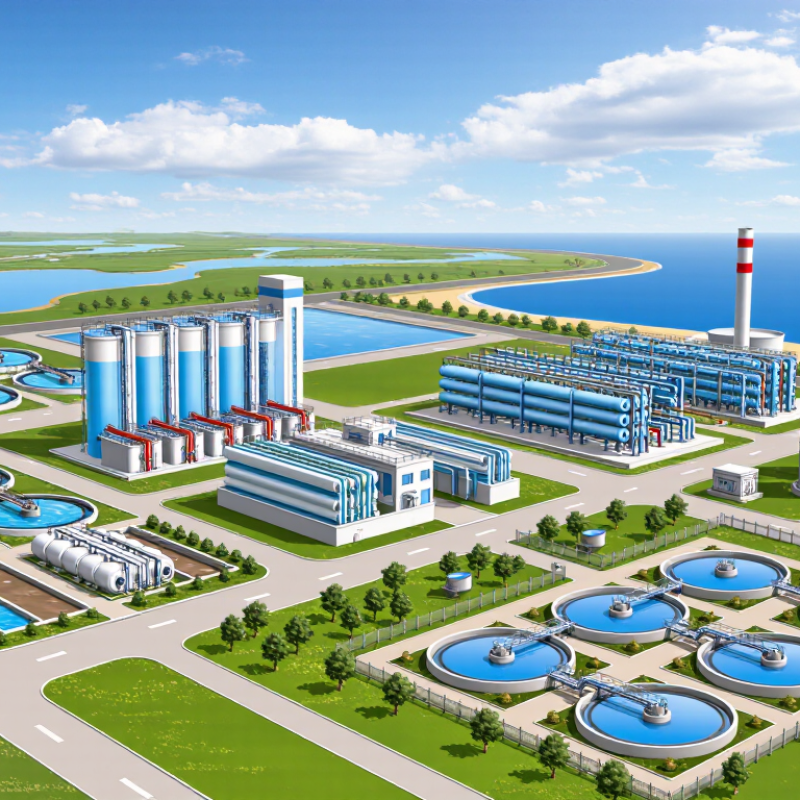
Drinking Water Treatment Plants
Drinking water treatment plants process water from rivers, reservoirs, or aquifers to make it safe to drink. Treatment varies with source conditions. At a surface-water facility, operators may use coagulation and flocculation to gather tiny particles into larger clumps. Those clumps settle, then water passes through filters. Disinfection controls many disease-causing microbes. Some groundwater needs fewer steps, though minerals or naturally occurring contaminants may require targeted treatment. Clear water can mislead.
Daily safety depends on more than equipment. Staff sample water at different stages and track measures such as turbidity, pH, and disinfectant levels. They also inspect pumps, clean filters, and verify alarms. When storms change river water quickly, operators may adjust treatment and increase sampling. A missed reading or worn seal can matter, so records and maintenance deserve the same attention as new technology. Even well-run plants must adapt as source water changes.
Tips: Ask your local utility for its annual water-quality report. If water looks, smells, or tastes unusual, report it and follow local advisories rather than judging safety by appearance alone.
