
What Are the Top Types of Solar Energy Chargers?
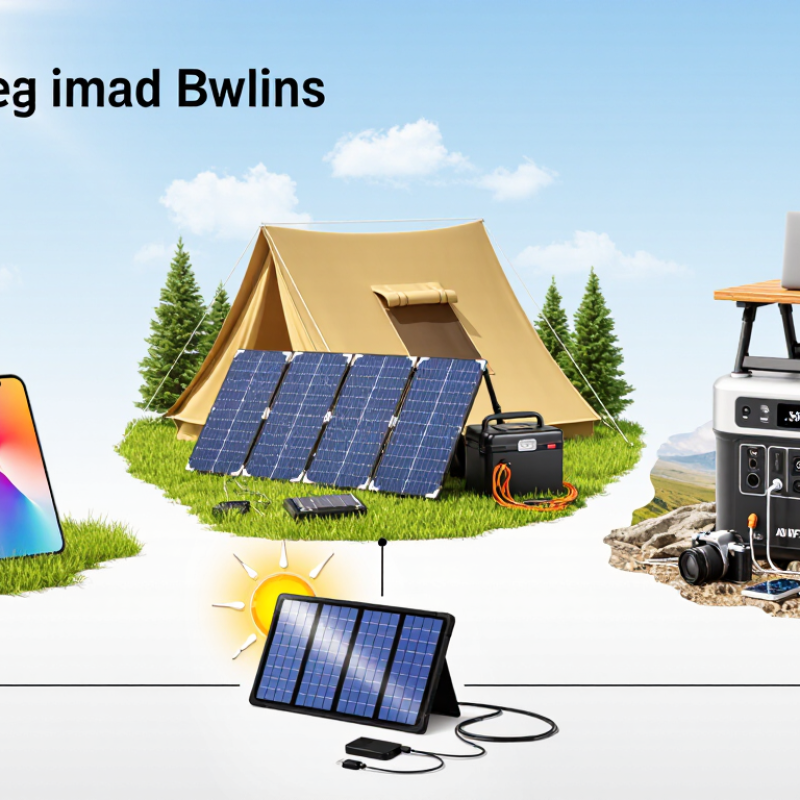
Solar power is no longer limited to rooftops. A compact Solar Energy Charger can top up a phone beside a tent, while a folding panel can feed a battery pack during a long outage. Larger portable power stations can support laptops, cameras, and small appliances. These products look similar online, but their panel size, battery capacity, output ports, and charging speed differ sharply.
The scale behind the technology is substantial. IRENA’s Renewable Capacity Statistics 2024 reports that global solar photovoltaic capacity reached about 1,419 gigawatts by the end of 2023. That figure measures installed solar capacity, not portable-charger sales, so the distinction matters. The International Energy Agency’s World Energy Outlook 2020 called solar “the new king of electricity markets around the world.” IEA Executive Director Fatih Birol was discussing electricity markets, not portable devices; still, the trend helps explain their growing visibility.
This guide compares the main charger types: integrated solar power banks, foldable panel-and-battery kits, and portable power stations with solar inputs. It also considers direct USB panels, which can charge a device in sunlight but may offer less predictable output. A shaded campsite, a cloudy afternoon, or a phone’s charging limits can change real-world performance. Sunlight is not a wall socket. Some product labels also make capacity comparisons confusing, so the largest number is not always the most useful one.
How Solar Energy Chargers Capture and Deliver Power
Solar energy chargers use photovoltaic cells to convert sunlight into electrical current. When light reaches the cells, it frees electrons and creates direct current. A charge controller regulates that flow before it reaches a battery or device. Keep it angled toward the sun. Small changes in shade or direction can noticeably reduce output.
What happens next depends on the charger’s design. A compact panel may feed a phone through a USB output, while a larger setup stores energy in a rechargeable battery. The battery supplies steadier power after clouds pass or daylight fades. Some chargers also include voltage regulation, which helps match the output to connected equipment. Check the device’s input requirements; a connector that fits does not always mean the electrical output is suitable.
The simple “sun in, power out” picture leaves out a few frustrating details. Heat, dust, and partial shade can all lower performance, and conversion losses are normal. A panel rated for bright test conditions may deliver less on a hazy afternoon. For reliable charging, place the panel in direct sunlight and keep cables secure. Still, estimates are only estimates. Actual output changes throughout the day.
