
Top 10 Tube End Forming Machine Manufacturers in China
China’s manufacturing scale makes it an important sourcing base for tube-processing equipment. The World Steel Association’s World Steel in Figures 2025 reports that China produced about 1,005 million tonnes of crude steel in 2024. That figure does not measure demand for tube end forming directly. It does, however, show the industrial context behind a large supplier ecosystem. Tube End Forming Machines serve automotive, furniture, HVAC, and general engineering production, where consistent flares, reductions, beads, and expansions matter. Small defects can disrupt assembly. A clean-looking sample is not enough.
This guide to the Top 10 Tube End Forming Machine Manufacturers in China focuses on practical comparison, not an unsupported claim that one factory suits every buyer. It considers forming methods, material range, tooling options, automation, service, and the clarity of technical documentation. Buyers should ask for sample trials using their actual tube diameter, wall thickness, and material. Watch how the machine handles setup changes, not only its best demonstration run. Ask about repeatability and spare-part lead times, too. Some suppliers publish detailed specifications; others require direct confirmation. That gap deserves attention. Factory visits, reference checks, and written acceptance criteria can reduce uncertainty, though they cannot remove it completely. A machine is only as dependable as its process, tooling, and support.
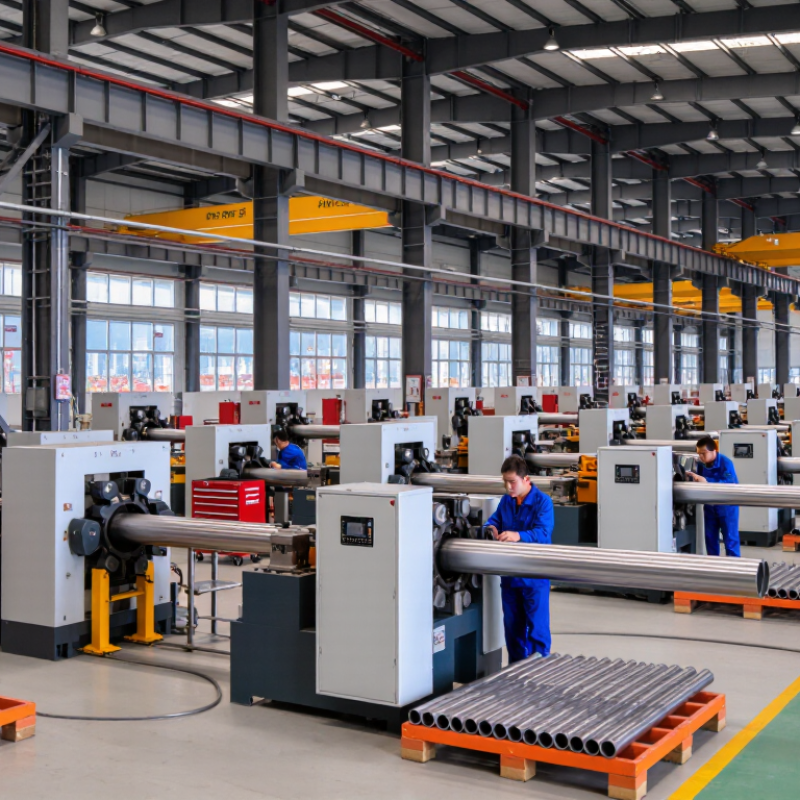
Tube End Forming Machines: Processes, Tube Sizes, and End Profiles
Tube end forming machines reshape an open tube end through pressure, rotation, or axial movement. Common processes include flaring, reducing, expanding, beading, and flanging. Each creates a different connection or edge profile. A flared copper tube, for example, can seat against a fitting, while a reduced steel end may ease insertion. When comparing manufacturers in China, ask about tooling changes, sample testing, and repeatability across production runs.
Tube diameter and wall thickness both affect machine selection. A model’s stated capacity may depend on material, tooling, and the forming process. Confirm the actual tube range with your own specifications. End profiles also need clear drawings, including dimensions and tolerances. A smooth bead and a sharp flange are not interchangeable. Catalog ranges can look impressive, but they do not prove a machine will handle your exact tube reliably.
Tips: Share tube material, diameter, wall thickness, and target profile before requesting a quote. Ask for a formed sample. Small setup details can change the result. Check for wrinkles, cracks, and uneven edges under good lighting. One overlooked tolerance can mean rework.
