
147 Mill Ridge Rd Suite 232
Lynchburg, Virginia 24502
Phone 757-982-3665

China Top Power Bank Rental Business Suppliers?

Choosing a supplier is a practical decision, not just a search for the lowest rental price. In the Power Bank Rental Business, a device must charge reliably, return to service quickly, and fit the places where customers need it. Think of a busy café: a traveler scans a kiosk, takes a charged power bank, and expects it to work through the journey. A dead unit or unclear return process can undermine that experience.

This guide examines China-based suppliers through details operators can verify: battery and device specifications, kiosk capacity, software features, customization options, production capability, warranty terms, and after-sales support. It also considers whether a supplier can explain maintenance and replacement procedures clearly. Promises matter less than evidence. Ask for product documentation, sample units, service commitments, and references relevant to your market.

One point needs care. No source article or verified expert quotation was supplied, so attributing a quote to a named industry expert would risk inventing evidence. That would weaken a supplier comparison, not strengthen it. The sections ahead therefore focus on verifiable questions and practical trade-offs, including issues that deserve closer review. Not every supplier will suit every operator. A low purchase price may look attractive, yet service delays or limited customization can change the real cost. Reliable decisions start with specific questions—and honest answers.
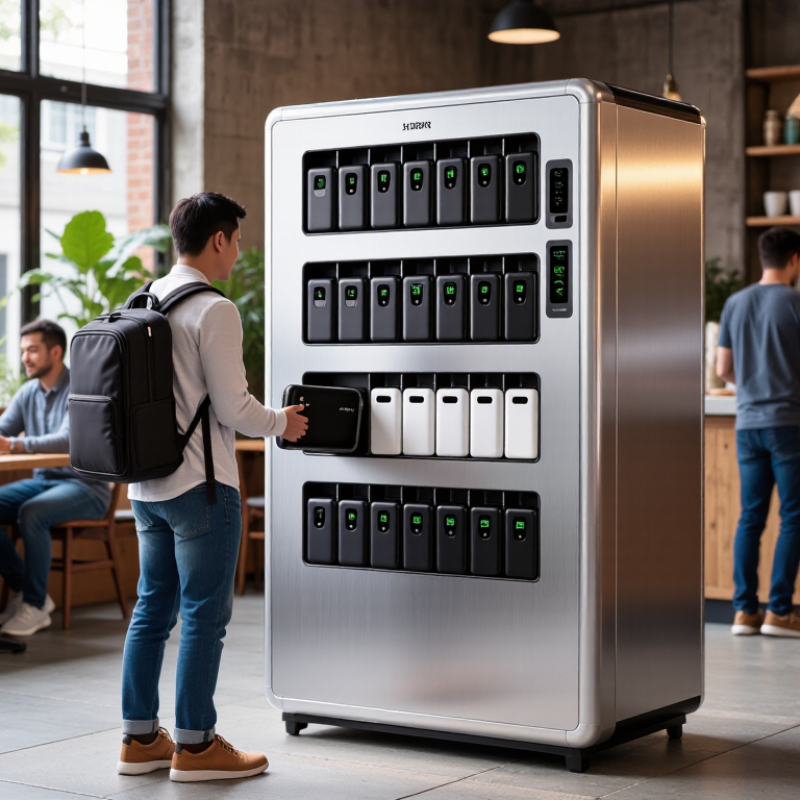
China Top Power Bank Rental Business Suppliers?

What Is the Power Bank Rental Business in China?

In China, a power bank rental business places shared charging stations in restaurants, shopping malls, hotels, transport hubs, and other busy venues. A customer scans a code, rents a battery pack, and returns it to a compatible station later. The operator coordinates cabinet hardware, batteries, software, payment processing, maintenance, and venue partnerships. Revenue usually comes from rental fees, though commercial terms with venues vary. Convenience sells. For suppliers, dependable battery capacity and clear return instructions matter as much as cabinet design.

iiMedia Research estimated China’s shared power bank market at about RMB 12.6 billion in 2023 and forecast roughly RMB 15.1 billion for 2024. These figures describe market scale, not the sales of any single supplier. The opportunity is visible in crowded venues, where a low phone battery can interrupt navigation or payment. Yet usage is uneven. A cabinet may sit idle in a quiet location, while a busy one needs frequent servicing. That operational gap is easy to underestimate. For buyers evaluating suppliers, check battery safety documentation, repair response times, software reporting, and the practical availability of replacement parts. The numbers are useful, but they do not guarantee profitable deployments.

China Top Power Bank Rental Business Suppliers? - What Is the Power Bank Rental Business in China?
Business Dimension How It Works in China Relevant Supplier or Partner Type Practical Considerations
Business model Users rent portable power banks from self-service stations, use them while away from the station, and return them to a compatible station in the network. Equipment manufacturers, station providers, software-platform providers, and local operating partners. Revenue commonly comes from rental charges. Pricing, settlement rules, and revenue-sharing arrangements vary by operator and location.
Typical locations Stations are commonly placed in venues where visitors may need to recharge, such as shopping areas, restaurants, hotels, transport hubs, and entertainment venues. Venue partners, distributors, and local deployment and maintenance teams. Placement depends on venue agreement, visitor traffic, available space, power access, and local operating conditions.
Rental process A user typically scans a code on a station, follows the supported payment or account flow, releases a power bank, and returns it to an eligible station. Rental-platform providers and payment-service integrations. Account requirements, payment methods, deposits or payment authorizations, and return rules differ across services.
Hardware supply A station stores and dispenses portable power banks. Products may differ in capacity, connector options, station size, and monitoring features. Power-bank and charging-station manufacturers. Buyers should check applicable safety and product-compliance documentation, device compatibility, warranty terms, and replacement-part availability.
Software and connectivity Operating software can support rentals, station and inventory status, pricing configuration, payment records, and operational reporting. Software-platform providers and system integrators. Confirm system compatibility with the hardware, reporting needs, data access, service support, and arrangements for software updates.
Operations and maintenance Operators need to monitor station availability, redistribute power banks, inspect equipment, and handle faults and customer enquiries. Local operators, field-service contractors, and customer-support providers. Service coverage, response times, inventory ownership, and responsibility for damaged or missing units should be agreed in advance.
Commercial arrangement Depending on the arrangement, a venue may receive a share of rental revenue, a placement fee, or another agreed form of compensation. Venue owners, rental operators, and distribution partners. Compare contract duration, settlement frequency, fee basis, exclusivity, equipment ownership, and termination conditions.
Supplier evaluation Supplier selection generally involves reviewing equipment, platform functions, service capability, and commercial terms together. Prospective equipment, technology, and operating partners. Request specifications, test equipment and software, verify references where available, and clarify after-sales support before deployment.

How China’s Power Bank Rental Supply Chain Is Organized

China’s power-bank rental supply chain is layered, not simply a device factory selling chargers. It connects cell and battery-pack makers, enclosure and circuit-board suppliers, software providers, rental operators, and venue partners. China’s Ministry of Industry and Information Technology reported lithium-ion battery output above 940 GWh in 2023. That figure covers the wider battery industry, not rental devices alone, but it shows the depth of China’s upstream manufacturing base.

Downstream, manufacturers assemble charging stations with multiple battery slots, control boards, and network connections. Operators then manage inventory, app access, maintenance, and payments. A station beside a restaurant entrance may need different capacity and service intervals than one in a transit hub. Clear supplier checks should cover battery protection, charging performance, repair access, and spare-part availability. Small details matter. The chain is efficient, though not always tidy: hardware, software, and field service may come from separate suppliers, creating gaps when faults occur.

Tips: Ask for test records and component specifications, not just a sample unit. Check how quickly a supplier can replace a damaged slot or board. Treat uptime claims carefully; real performance depends on venue traffic, maintenance, and network coverage.

Which Types of Suppliers Serve Power Bank Rental Operators?

Power bank rental operators usually work with several supplier types, not just a hardware factory. Equipment manufacturers provide charging stations, portable batteries, cables, and replacement parts. Ask for measured charging times, battery capacity, cycle-life data, and test reports. A kiosk that looks compact in a showroom may need more floor space once its door opens.

Software providers supply the rental platform and management dashboard. Useful features include station-status alerts, battery inventory, rental records, and payment-system integration. Check how the system handles weak mobile signals and interrupted transactions. These details matter during busy hours.

Some operators choose OEM or ODM suppliers to adapt station size, enclosure design, or interface language. That flexibility can help, but custom changes may slow production or make spare parts harder to source. It matters. Payment and connectivity partners can support local transactions and network access, while logistics and maintenance providers help move equipment and replace faulty units. Their service coverage varies by city, so ask about response times and available technicians. Not every supplier will coordinate smoothly with the others; that part deserves a real-world trial, not just a promise.

How to Evaluate Power Bank Rental Suppliers in China

China Top Power Bank Rental Business Suppliers?

A reliable supplier should prove performance at busy, ordinary locations—not just show attractive hardware. Ask for station-level uptime records, transaction logs, and repair times from comparable deployments. Test devices during a full operating day. Check charging speed, cable wear, battery temperature, and whether failed units are quickly replaced. Small details matter.

China’s State Information Center reported that the sharing economy reached 3.83 trillion yuan in transaction volume in 2023, up 3.9% year over year. This broad figure is not specific to power bank rentals, but it signals a substantial service ecosystem. The China Internet Network Information Center reported 1.10 billion internet users in June 2024, with 78.0% internet penetration. These figures support the case for digital services, but they cannot prove local rental demand. Ask suppliers for location-level usage data instead.

Review the rental dashboard before signing: Can it show device availability, payment failures, and overdue returns? Confirm who handles maintenance, replacement stock, and customer complaints. Request a limited pilot, then compare actual uptime and repeat rentals with the supplier’s claims. Contract terms deserve equal scrutiny, especially settlement timing and repair responsibilities. No spreadsheet catches every failure. I would still want to inspect a live site; reports alone leave gaps.

What Products and Services Do Leading Suppliers Offer?

Leading power bank rental suppliers provide more than charging cabinets. Their core products include portable batteries, multi-port cables, touchscreen or QR-enabled kiosks, and cloud dashboards for stock and fault monitoring. Some units support USB-C fast charging, while others still rely on older connectors. That mix can frustrate users.

Services matter just as much. Suppliers typically help select cabinet locations, install equipment, manage battery replacement, and provide remote maintenance. Operators may also receive transaction reports, usage alerts, and customer-support tools. CNNIC’s 55th Statistical Report, published in January 2025, found that 99.7% of China’s internet users accessed the internet by mobile phone. This supports demand for convenient, on-the-go charging, but does not guarantee that every location can sustain a rental station.

Suppliers should explain battery capacity, charging speed, safety testing, warranty terms, and expected maintenance response times. Grand View Research valued the global power bank market at USD 13.4 billion in 2023; this wider market figure is useful context, not a rental-market estimate. Ask for real operating data, such as station uptime and average rentals per day. A sleek cabinet is not enough. Some details remain imperfect: traffic varies by venue, and poorly maintained cables can quickly undermine an otherwise solid service.

China Top Power Bank Rental Business Suppliers? What Products and Services Do Leading Suppliers Offer?

Typical offerings: Portable power banks and multi-slot charging stations, supported by QR-code or app-based rentals, cashless payments, remote station monitoring, and equipment maintenance. Available features and inventory vary by supplier.

Capacity values show representative commercial power-bank tiers, not supplier market data or a ranking. Actual rental inventory and usable capacity vary by device.