
China Top Permanent Formwork Magnet Manufacturers?
China has a large base of manufacturers serving precast concrete and construction equipment markets. Choosing among them, however, takes more than comparing catalog prices. A Permanent Formwork Magnet must hold steel formwork securely during concrete placement, then release cleanly without damaging the casting bed. Small details matter. Magnet dimensions, rated holding force, surface finish, and button access can affect daily production.
This guide introduces Chinese manufacturers and explains how buyers can assess their products. It considers manufacturing experience, customization options, quality controls, export support, and the clarity of technical documentation. Buyers should request drawings, material specifications, and test information for the exact model under consideration. A quoted force alone may not represent performance on a real production line. Steel thickness, surface condition, and operating practices also matter.
Look closely at the details. A robust housing and accessible release mechanism can make repeated setup easier. Ask how suppliers handle sample orders, replacement parts, and changes in mold design. Factory visits or independent inspections may provide useful evidence, though not every buyer can arrange them. There is no perfect shortlist. Supplier claims can be difficult to compare when test methods differ, so verify important details before placing an order. The aim is a practical, evidence-based overview—not an unsupported ranking.
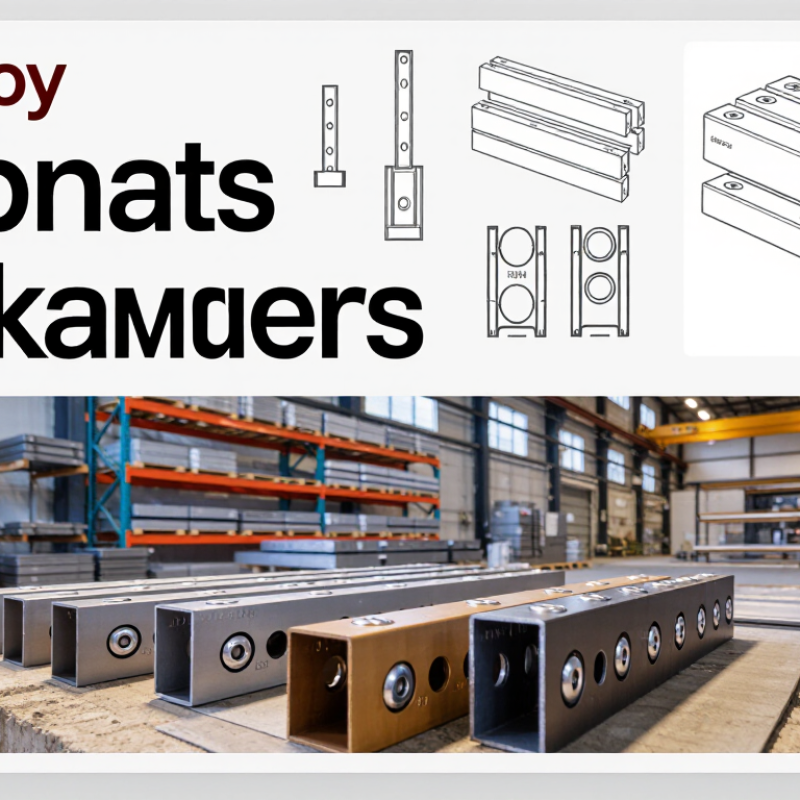
Permanent Formwork Magnets: Components, Types, and 2,400 kg/m³ Concrete Loads
Permanent formwork magnets combine a steel housing, permanent magnet assembly, release mechanism, and threaded connection to a formwork rail or table. Common designs include push-button units and lever-operated units. The mechanism switches the magnetic force on or off; the housing transfers that force to the formwork. Small parts matter. Dust, weld spatter, or a damaged contact face can reduce effective holding performance.
The Portland Cement Association’s Design and Control of Concrete Mixtures describes normal-weight concrete at roughly 2,400 kg/m³. At that density, a one-metre vertical concrete head produces about 23.5 kPa of hydrostatic pressure. ACI 347R-14 notes that fresh-concrete form pressure also depends on factors such as placement rate and concrete temperature. So density alone cannot size a magnet system. A faster pour can change the loading picture.
Check the magnet’s rated pull against the actual steel surface, installation direction, and load path. A catalog pull figure is not a site safety factor. That distinction is easy to miss. For a 2,400 kg/m³ mix, engineers should assess panel deflection, rail spacing, vibration, and the possibility of uneven contact. Field conditions are rarely perfect. A trial installation and documented inspection can reveal gaps that calculations overlook.
