
2026 Top Natural Gas Steam Boiler Manufacturers?
Choosing a Natural Gas Steam Boiler manufacturer in 2026 takes more than comparing advertised output or price. A boiler that looks suitable on paper may not match a plant’s steam demand, fuel pressure, water quality, or available floor space. Details matter. This guide introduces manufacturers to consider and explains how to assess their equipment, service networks, and technical support. It does not treat a single ranking as proof of quality; product lines and regional availability can change.
Useful comparisons start with practical evidence. Check rated steam capacity, operating pressure, turndown range, emissions data, controls, and stated efficiency. Ask whether the manufacturer provides clear installation requirements, commissioning support, spare-parts access, and maintenance guidance. A technician’s experience with burner tuning and feedwater treatment can also affect day-to-day performance. Small differences show up in the boiler room.
The best fit depends on the application. A food-processing site with steady demand may value dependable baseload operation, while a facility with sharp demand swings may need responsive controls and adequate turndown. That is where a simple “top manufacturer” label becomes an imperfect shortcut. Buyers should verify current specifications directly with manufacturers and compare proposals against site conditions. Independent testing and documented service references add confidence, but no brochure can replace a careful engineering review. The sections ahead provide a structured starting point, not a substitute for one.
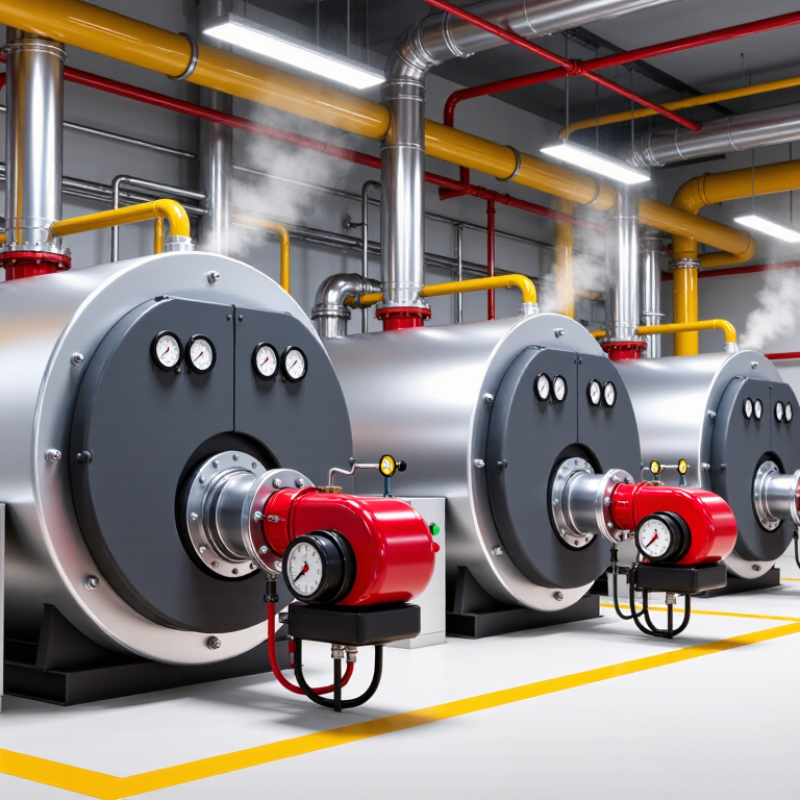
Natural Gas Steam Boilers: Design, Fuel Use, and Applications
Natural Gas Steam Boilers: Design, Fuel Use, and Applications
Natural-gas steam boilers burn fuel to heat water, producing steam for process equipment, building heat, or sanitation. Their design commonly includes a burner, pressure vessel, controls, and safety devices. Burner settings affect fuel use and steam output, while insulation helps limit heat loss. A steady blue flame is a useful visual clue, but it cannot replace proper combustion checks.
Small details matter.
These boilers serve laundries, food plants, hospitals, and manufacturing sites where dependable steam is needed. The right capacity depends on peak demand, operating hours, return-water temperature, and pressure requirements. Oversizing can lead to frequent cycling and wasted fuel; undersizing may leave equipment short of steam during busy periods.
Actual performance varies with maintenance and site conditions. A neat specification sheet rarely captures every load swing.
Tips:
Record fuel use and steam demand over representative operating days. Check for leaks, damaged insulation, unusual burner noise, and changing pressure. Have qualified technicians inspect combustion and safety controls according to the equipment manual. Keep maintenance records.
Not always easy. A short log can still reveal patterns, though readings should be checked for accuracy.
