
What Are the Top Motor Mount Types in 2026?
Choosing the right mount motor is not a small detail. It can change vibration, cabin noise, handling, and component life. In 2026, drivers and technicians will commonly compare rubber, hydraulic, polyurethane, solid, and active motor mounts. Each type manages engine movement differently. A rubber mount may soften everyday vibration, while a hydraulic design can better control certain frequencies. Solid mounts offer firmer restraint, but they can send more vibration into the chassis. Active mounts add control, though they also bring greater complexity.
Automotive engineer and designer Colin Chapman famously said, “Adding power makes you faster on the straights. Subtracting weight makes you faster everywhere.” His remark is not about motor mounts specifically, but it captures a useful engineering truth: every design choice involves trade-offs. A mount that feels precise in one vehicle may feel harsh in another. The engine, chassis, driving conditions, and comfort goals all matter.
This guide compares the top motor mount types in 2026, with attention to materials, performance, durability, and practical fit. It also considers common warning signs, such as excess engine movement or a new vibration at idle. Small clues matter. Specifications deserve a careful look, too. A “stronger” mount is not automatically the better choice, and product claims should be checked against the vehicle and its intended use. The right answer can be less obvious than it first seems.
How Motor Mounts Support and Control Engine Movement
What Are the Top Motor Mount Types in 2026?
How Motor Mounts Support and Control Engine Movement
An engine mount does more than hold an engine in place. It carries powertrain weight, limits excessive movement, and reduces vibration reaching the cabin. When the engine produces torque, it tends to twist against its mounts. The mounts flex slightly, then help bring the assembly back under control. Too stiff, and more vibration can reach the steering wheel or seat. Too soft, and the engine may move enough to strain hoses, wiring, or exhaust connections. Balance matters.
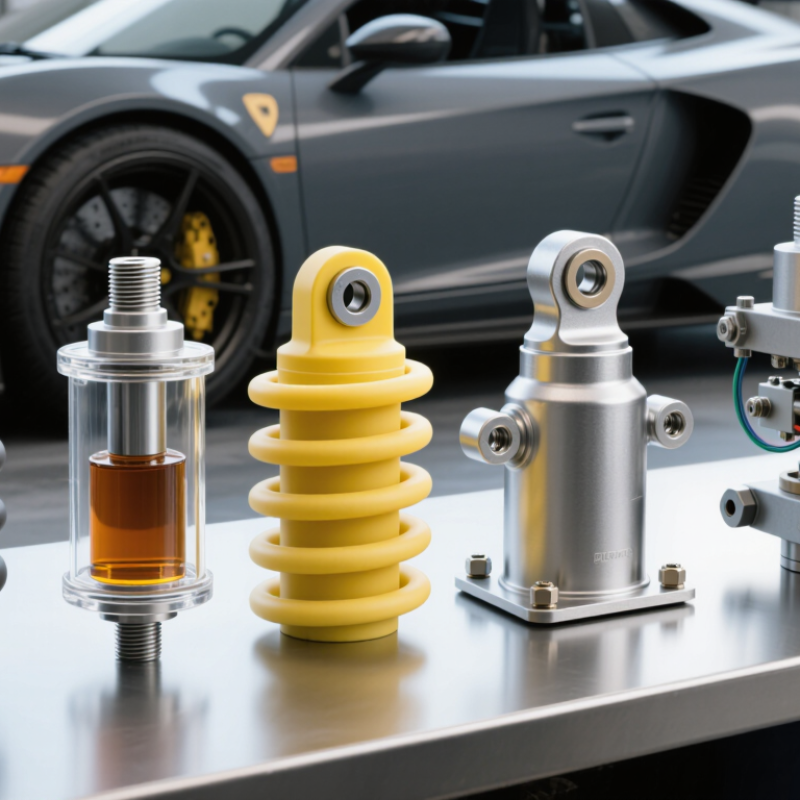
The main types include solid rubber, hydraulic, and electronically controlled mounts. Rubber mounts use their shape and stiffness to absorb vibration. Hydraulic mounts add fluid-filled chambers that damp movement across different frequencies. Active mounts can adjust their response to changing engine speeds or driving conditions. SAE J670 provides standard terminology for describing vehicle motion and dynamics, useful when engineers assess powertrain movement. The U.S. EPA’s 2024 Automotive Trends Report also tracks changes in vehicle horsepower and mass, factors that can affect mount loads. But a report-wide trend cannot predict one vehicle’s exact movement. That depends on its engine, mount layout, and condition. A small crack can matter. So can a worn mount that looks intact at a glance.
