
Top 10 Js1500 Concrete Mixer Manufacturers Worldwide?
Choosing the right Js1500 Concrete Mixer requires more than comparing drum capacity or motor power. A JS1500 model can produce roughly 1.5 cubic meters per batch, but performance depends on mixing quality, cycle time, wear resistance, and service support. In demanding projects, small differences become visible quickly. Uneven concrete can delay placing, waste cement, and create costly rework.
This guide examines the Top 10 Js1500 Concrete Mixer Manufacturers Worldwide through practical purchasing criteria. We consider build quality, gearbox design, discharge efficiency, control systems, spare-parts access, and customer support. We also assess how manufacturers adapt their machines for ready-mix plants, precast yards, road projects, and construction sites. Dr. Sarah Lin, a concrete equipment consultant with field experience in batching operations, observes, “A mixer earns trust through consistent output, not impressive specifications alone.”
That principle matters.
A strong manufacturer should provide clear technical data, realistic production figures, installation guidance, and responsive after-sales assistance. It should also explain maintenance points, such as blade wear, bearing inspection, and hydraulic-system checks. Yet no ranking is perfect. Regional service networks change, product versions differ, and published capacity may not reflect actual site conditions. Buyers should verify local references before signing a purchase agreement.
The manufacturers discussed here represent different strengths, including heavy-duty construction, automation, competitive pricing, and international support. Their machines are not identical. Your ideal Js1500 Concrete Mixer may depend on aggregate size, moisture levels, working climate, operator skills, and expected daily output. Careful comparison remains essential.
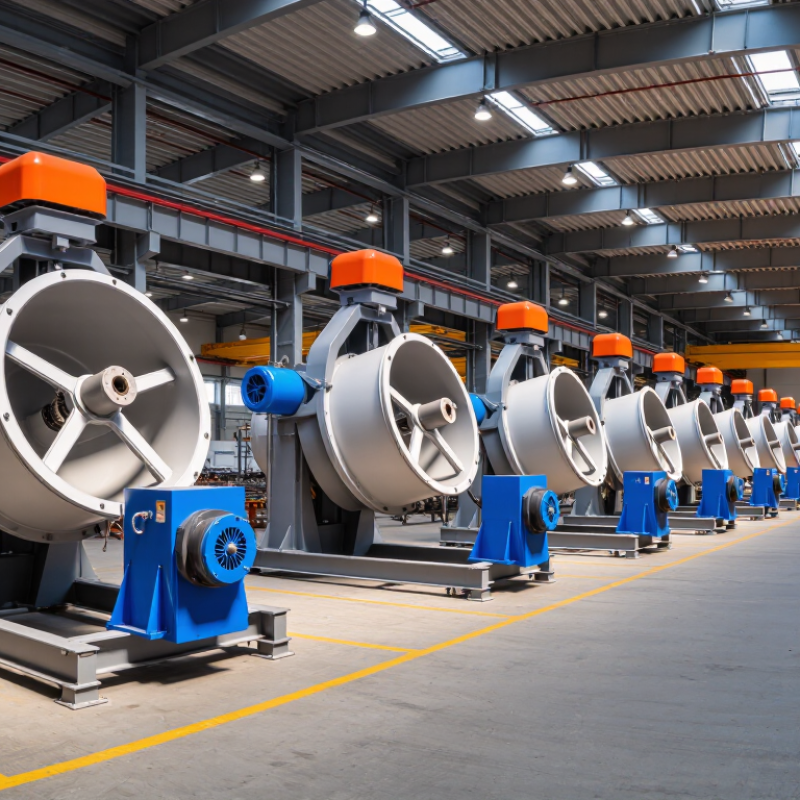
JS1500 Mixer Fundamentals: 1.5 m³ Batch Capacity and Up to 75 m³/h Output
A JS1500 concrete mixer handles a nominal 1.5 m³ batch. Its rated output can reach 75 m³ per hour under favorable conditions. This figure assumes steady loading, efficient mixing, and short discharge cycles. Real production is usually lower. Moisture changes, aggregate grading, and operator timing all affect performance.
A twin-shaft mixing system can distribute cement, water, sand, and stone evenly, but only with correct loading control. The mixing chamber should not be overloaded. That mistake increases power demand and may leave dry pockets.
When comparing worldwide manufacturers, buyers should inspect verified capacity data, factory testing procedures, and after-sales support. Ask whether the stated 75 m³/h reflects continuous operation or an ideal cycle calculation. Check shaft seals, wear plates, hydraulic components, and replacement-part availability. These details matter on a busy jobsite.
In my experience, an attractive output number means little when cleaning takes too long or spare parts arrive late. I would also review mixer performance with the intended concrete recipe, not only standard laboratory material. That test can reveal problems early.
Tips: Keep batch moisture consistent. Load materials in a repeatable sequence. Record mixing and discharge times for several cycles. Watch motor current during heavy batches. A small delay may seem harmless, yet it can reduce daily output sharply. Operators should inspect buildup around the shafts and discharge gate. This work is often skipped. It should not be.
