
Top 10 Interactive Screen Manufacturers in China
Interactive screens now sit at the center of many classrooms, meeting rooms, retail spaces, and control centers. Their appeal is practical: users can write on a bright glass surface, move content with a fingertip, and share a presentation without passing around cables. Still, screen size alone tells little. Touch accuracy, operating-system support, software updates, service coverage, and long-term parts availability can matter just as much.
Market forecasts point to continued demand, but figures need context. MarketsandMarkets estimated that the global interactive display market would grow from US$35.4 billion in 2023 to US$45.3 billion by 2028, a projected compound annual growth rate of 5.1%. This broad category includes more than interactive flat panels, so it should not be read as a measure of Chinese manufacturers’ sales alone. Forecasts also describe expectations, not guaranteed outcomes.
China has a diverse supplier base, from established display brands to manufacturers focused on education or business collaboration. Comparing them takes more than checking a product page. A useful shortlist should examine touch performance, panel specifications, connectivity, software, certifications, warranty terms, and export support. Details can vary by model and market. They deserve a closer look. This guide to the Top 10 Interactive Screen Manufacturers in China offers a structured starting point, while recognizing that no single ranking can fit every project, budget, or deployment environment.
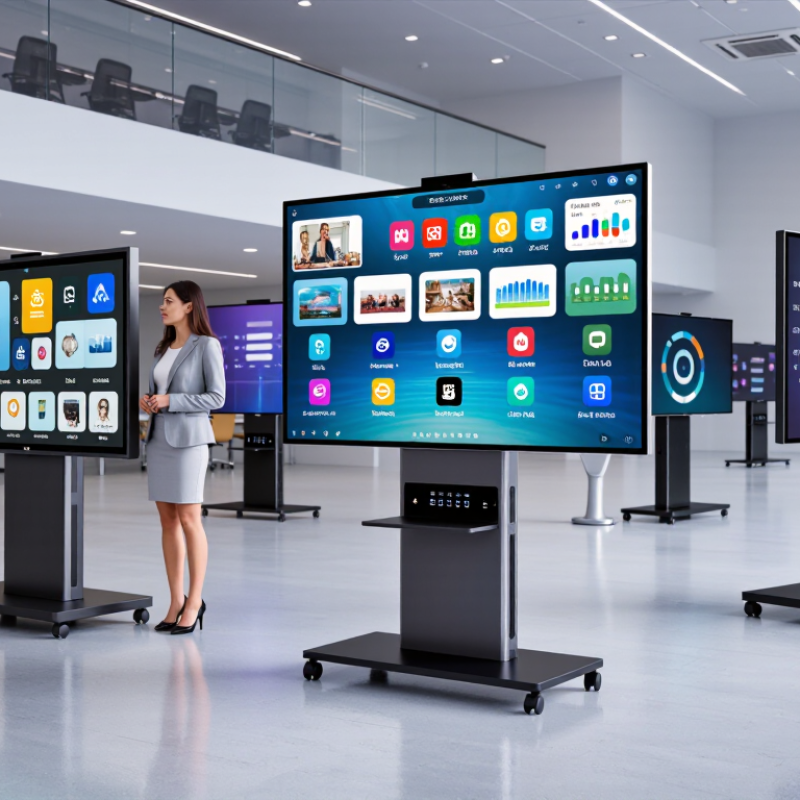
What Defines an Interactive Screen? 4K UHD (3,840 × 2,160) and Core Features
An interactive screen combines a display with touch input and tools for presenting or collaborating. Its 4K UHD resolution is 3,840 × 2,160 pixels, or about 8.3 million pixels. That detail matters when showing fine diagrams, small spreadsheet text, or detailed product images. At close range, however, resolution alone cannot guarantee a clear picture. Screen size, viewing distance, brightness, and room lighting also affect readability.
Core features include responsive multi-touch, accurate tracking near the screen edges, and software that lets users write, erase, and move content naturally. A teacher should be able to annotate a diagram without a noticeable delay. In a meeting room, useful connectivity and straightforward screen sharing can reduce setup time. Audio, camera support, and compatibility with existing devices may also matter, depending on the installation. Check the actual touch response, not just the feature list. A specification sheet can leave out important details, such as glare under overhead lights or the effort needed to calibrate touch. Small differences become obvious during daily use. In practice, there is no single feature set that fits every room.
