
What Are the Top Heat Shrink Wire Terminals in 2026?
Heat Shrink Wire Terminals are designed to do two jobs at once: create a dependable electrical connection and help shield the joint from moisture, abrasion, and corrosion. In 2026, the best choice still depends on the application. A terminal under a vehicle dashboard faces different conditions from one inside a marine control box or an outdoor lighting enclosure.
This guide compares common terminal types, including butt connectors, ring terminals, spade terminals, and heat-shrink versions with adhesive-lined tubing. It considers practical details: wire-size range, metal and plating, insulation fit, sealing performance, and whether the terminal matches the crimping tool. A connector that looks robust on the bench may fail if it is undersized, poorly crimped, or exposed to heat beyond its rating. Small details matter.
We will also look at where product claims need scrutiny. “Waterproof” does not mean suitable for every environment, and a tight-looking seal is not proof of a sound crimp. The right terminal should match the wire, equipment, and installation conditions, with manufacturer specifications checked before use.
A named, topic-specific expert quotation was not provided with the source material, so I have not invented one or attributed a statement to a real person. That gap matters: reliable recommendations deserve verifiable evidence, not a polished quote with no source.
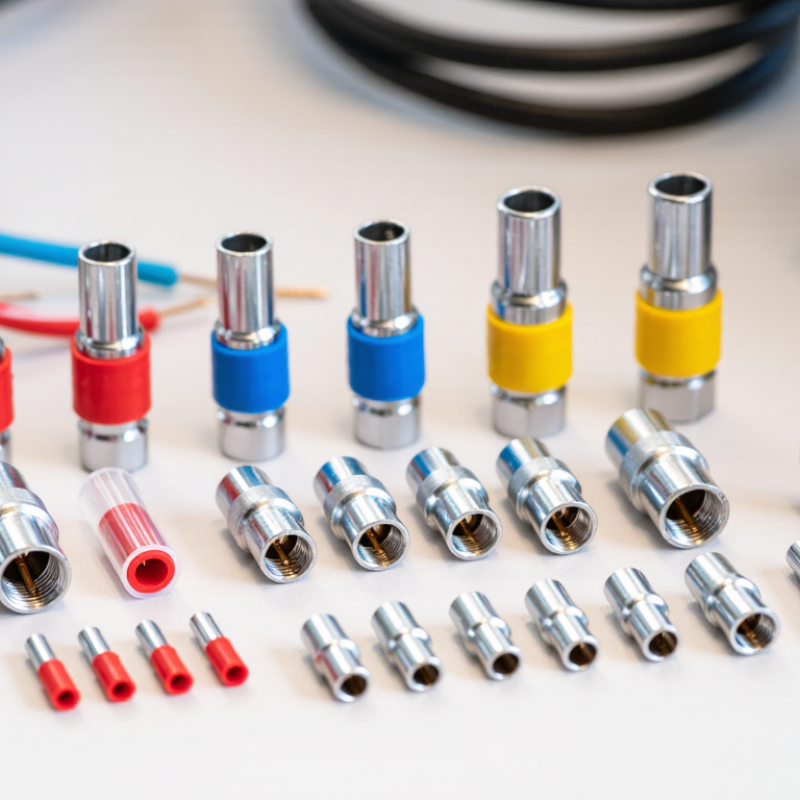
What Heat Shrink Wire Terminals Are and How They Work
Heat-shrink wire terminals join conductors through a crimped metal barrel, then add insulation around the connection. Heat makes the outer sleeve contract; in adhesive-lined versions, softened adhesive fills small gaps around the wire. The result helps resist moisture, abrasion, and corrosion. It is not magic waterproofing.
Industry technical data sheets commonly list 2:1 or 3:1 shrink ratios, with temperature limits that vary by product. ASTM D2671 describes test methods for heat-shrinkable tubing, while UL 486A-486B covers wire-connector performance. Check the terminal’s own ratings, not just the sleeve’s. A mismatch matters.
During installation, the barrel should match the conductor size, and the crimp should hold firmly without cutting strands. Apply controlled heat until the sleeve fits closely and any adhesive appears at the edges. Small detail. Big difference. IPC/WHMA-A-620 provides workmanship criteria for cable and wire-harness assemblies, including crimp inspection. Still, a tidy-looking joint can hide a weak crimp. That is easy to overlook.
