
Top Power Bank Rental Station Factory for Global Buyers
Choosing a Power Bank Rental Station Factory is more than a price decision. Global buyers need a partner that can turn a workable design into consistent production, replaceable components, and dependable support. Small details matter. A screen that is hard to read in sunlight, a loose charging connector, or a confusing return process can frustrate users and hurt repeat rentals.
Evaluate the factory’s engineering and quality-control process, not just its product photos. Ask how it tests battery protection, station connectivity, enclosure durability, and payment-system integration. Request sample units and examine them in real settings: a bright shopping-mall entrance, a crowded café, or a warm transit lobby. Check whether service teams can identify faults quickly and replace parts without shipping an entire station back. These checks do not guarantee success, but they reveal practical gaps early.
One point is easy to miss. A low unit cost may not reflect the effort needed for customization, software updates, spare parts, or after-sales support. “A rental station succeeds when it stays simple to use and simple to maintain,” says Alex Morgan, an illustrative factory-systems expert. This is an original example, not a verified quotation from a real person. Buyers should confirm every claim through documentation, factory discussions, and hands-on testing. No supplier is perfect; the useful question is how clearly it identifies limitations and responds when a test exposes one.
Power Bank Rental Station Manufacturing: An Overview
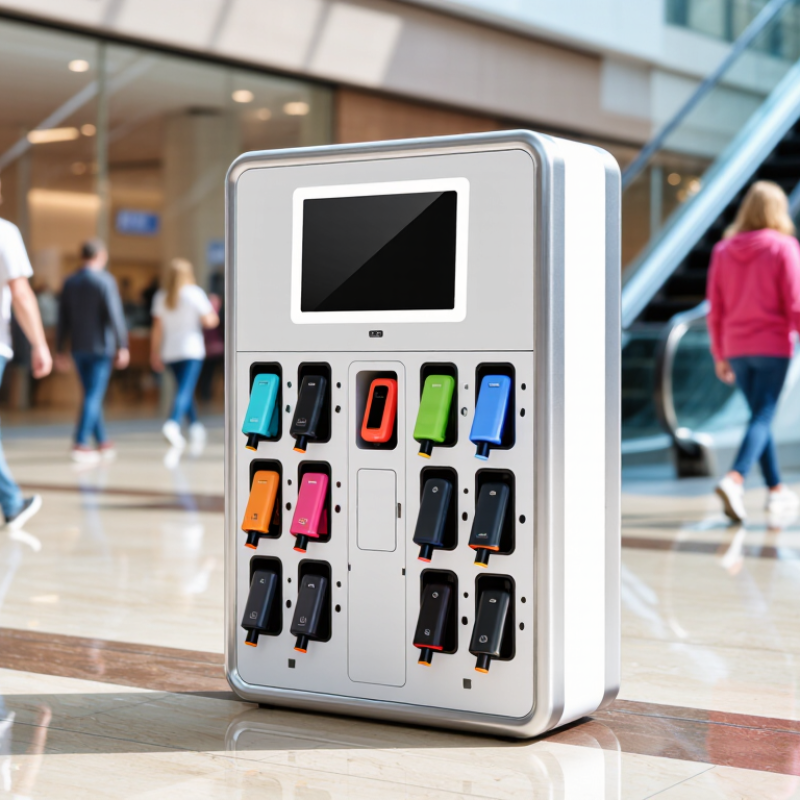
Power bank rental station manufacturing combines electronics, mechanical design, and service planning. A typical unit includes a durable enclosure, charging bays, a control board, network connectivity, and a screen or status lights. Small details matter. Bay spacing must allow users to remove batteries easily, even when the station is mounted in a busy lobby.
Production usually begins with component checks and sample assembly. Technicians inspect battery capacity, charging behavior, connector fit, and communication between the station and its management software. The enclosure may be tested for repeated handling, while the finished unit undergoes functional checks before shipment. Clear test records help buyers compare batches and trace defects. That takes time. Skipping a pilot run can leave problems hidden until many units are already installed.
Factory evaluation should include more than a low quotation. Buyers can request material specifications, quality-control procedures, production lead times, and sample results. Ask how the supplier handles faulty modules and software updates. These questions may feel tedious, but they expose practical gaps. No design is perfect on its first build. A rental station may need adjustments after testing with real users, such as stronger bay guides or clearer instructions near the return slot.
