
Top Inverter Voltage Stabilizer Suppliers Worldwide
Reliable voltage is no longer a luxury for hospitals, factories, data rooms, or modern homes. An Inverter Voltage Stabilizer helps protect sensitive equipment from voltage dips, surges, and unstable supply conditions. Yet selecting a supplier requires more than comparing prices or glossy product images. Buyers must examine conversion efficiency, response time, overload performance, cooling design, warranty support, and documented testing.
Roger C. Dugan, a recognized power-quality specialist and co-author of Electrical Power Systems Quality, states, “Power quality is a term used to describe the interaction between the power system and the equipment connected to it.” This view remains highly practical. A stabilizer is not an isolated box. It works within a complete electrical environment, where load patterns, cable length, ambient temperature, and generator compatibility can affect performance.
Small details matter.
The leading Inverter Voltage Stabilizer suppliers worldwide usually provide application guidance, clear technical specifications, and service networks that remain useful after installation. Some publish efficiency curves at different loads. Others offer remote monitoring, bypass functions, and protection against overheating. These features deserve careful comparison, not automatic trust. A high efficiency rating may change under real operating conditions. That is where many purchasing decisions become imperfect.
This guide examines major global suppliers through product capability, engineering experience, manufacturing credibility, customer support, and value across different applications. It also considers an uncomfortable question: does a supplier’s reputation always match field performance? Sometimes, no. Careful verification still matters.
What an Inverter Voltage Stabilizer Is and How It Works
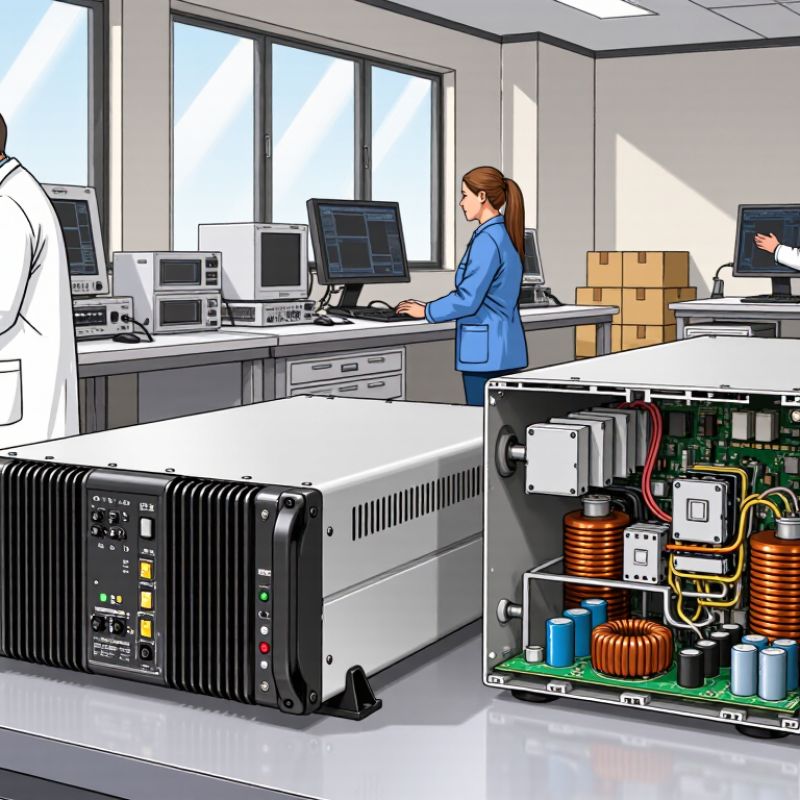
An inverter voltage stabilizer monitors incoming voltage and adjusts its output to keep connected equipment within a safer operating range. Many designs use electronic sensing and power-conversion circuits rather than relying only on mechanical switching. When the supply rises or dips, the control system detects the change and corrects the output. The exact method varies by design.
In some models, incoming AC power is converted to DC, then reconstructed as regulated AC through an inverter stage. A battery may provide backup, but not every stabilizer includes one. Check the specifications carefully. A unit without storage can correct voltage fluctuations, but it cannot keep equipment running during a full outage. Small detail, big difference.
For example, a technician might compare the input and output readings while a refrigerator compressor starts. That brief surge can reveal whether a unit responds smoothly or allows a noticeable dip. Capacity matters too: the stabilizer must handle the equipment’s running load and startup demand. A display showing normal voltage is useful, but it does not prove that the unit is correctly sized. Installation conditions, ventilation, and loose connections also affect performance. And specifications can be confusing; even experienced buyers should verify the intended load and operating range before choosing a model.
