
Top Fuel Pump Manufacturers for Global Buyers
Choosing among the top Fuel Pump manufacturers is not just a matter of comparing prices or catalog sizes. For global buyers, a dependable supplier must match the pump to the vehicle, operating conditions, and local service needs. A mismatch can mean hard starting, unstable fuel delivery, or costly returns. Details matter.
This guide looks at manufacturers through practical purchasing criteria: product range, engineering support, production capacity, quality controls, and after-sales response. Buyers should compare pressure and flow data, electrical requirements, mounting dimensions, and fuel compatibility against the application. Ask for test records and traceability details, and check which standards or approvals apply in the destination market. A polished brochure helps, but it cannot replace clear technical answers.
Supply reliability deserves equal attention. Lead times, packaging, spare-parts availability, and communication across time zones can shape the real cost of a sourcing decision. Not always. A large manufacturer may offer broad coverage, while a smaller specialist may provide more focused support. Neither is automatically the better choice. No shortlist is perfect; supplier claims still need verification, and requirements can change between markets. The following overview is intended to help buyers ask sharper questions and compare manufacturers with evidence, not assumptions.
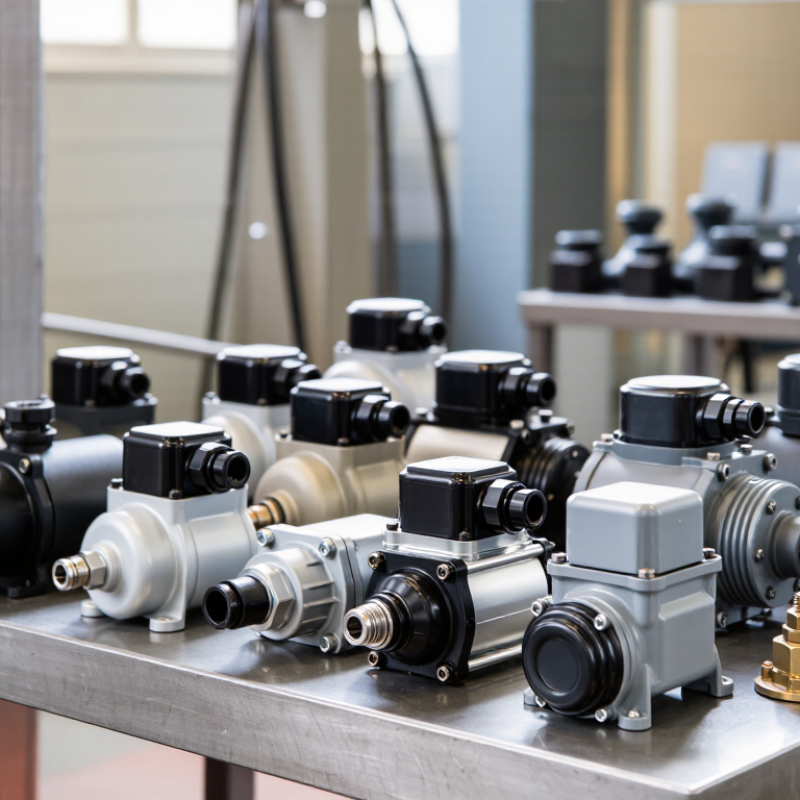
Fuel Pumps: Core Functions, Types, and Applications
A fuel pump moves fuel from the tank to the engine at the pressure and flow the system requires. In older carbureted vehicles, a mechanical pump may draw fuel using engine motion. Most modern fuel-injected vehicles use an electric pump, often mounted inside the tank. Some engines also use a high-pressure pump to feed direct-injection or common-rail systems. Each stage has a distinct job.
The details matter. A pump must match the engine’s pressure, flow rate, fuel type, and electrical supply. In a workshop, a weak pump may show up as hard starting, hesitation under load, or reduced power. Those symptoms can also come from a clogged filter or wiring fault, so replacing the pump without testing can waste time. In-tank pumps may use surrounding fuel to help manage heat, but designs vary. Not always. Pumps serve passenger cars, trucks, agricultural machinery, and marine engines, with different demands in each setting. A work truck hauling uphill needs dependable delivery under sustained load; a small engine may need far less flow. Specifications help narrow the choice, though real operating conditions deserve attention too.
