
Top 10 Gas Insulated Switchgear Manufacturers Worldwide
Gas Insulated Switchgear (GIS) is a compact solution for controlling and protecting high-voltage networks. It is often installed where space is scarce, such as urban substations, tunnels, and industrial sites. Inside a sealed enclosure, insulating gas separates energized components. That design can reduce equipment footprint, but it also makes specification, maintenance, and gas management important.
The International Energy Agency’s 2023 report, Electricity Grids and Secure Energy Transitions, says the world may need to add or replace 80 million kilometres of power lines by 2040—roughly the length of today’s entire global grid. IEA Executive Director Fatih Birol described the challenge this way: “The world is facing a ‘grid crunch’.” His warning concerns grid infrastructure broadly, not GIS alone. Still, it helps explain why utilities are assessing dependable, space-efficient switchgear as networks expand and modernize.
This overview compares ten manufacturers active in the worldwide GIS market. It considers product range, voltage coverage, technical support, project experience, and attention to environmental performance. IEC 62271-203 provides an important technical reference for gas-insulated metal-enclosed switchgear above 52 kV. Company capabilities and product availability can vary by region, however. Rankings also depend on the criteria chosen. Not a simple ranking. A shortlist should be checked against local grid requirements, service capacity, lifecycle costs, and the buyer’s plans for managing insulating gases.
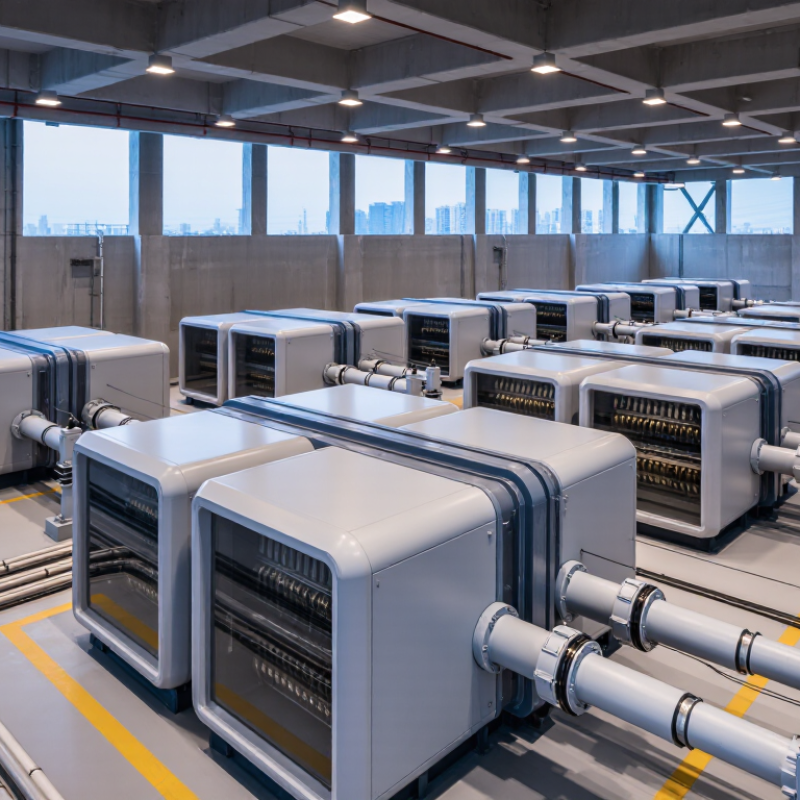
Gas-Insulated Switchgear: Definition and Core Components
Gas-insulated switchgear (GIS) places high-voltage switching equipment inside sealed, grounded metal enclosures. An insulating gas fills the compartments and helps prevent electrical discharge between live parts and the enclosure. Because the equipment is enclosed, GIS can fit into substations where outdoor air-insulated equipment would need more space. Compact does not mean simple.
Its core components include busbars, circuit breakers, disconnectors, and earthing switches. Busbars carry power between circuits. Circuit breakers interrupt current during faults, while disconnectors isolate sections for maintenance. Earthing switches connect isolated parts to ground, helping make work areas safer when procedures are followed. Current and voltage transformers provide measurements for protection and control systems.
The enclosure, gas compartments, seals, and monitoring devices are just as important as the switching parts. Sensors can track gas density or pressure, since a leak may reduce insulation performance. Designs vary, and some systems use alternatives to traditional sulfur hexafluoride gas. Each option brings different operating and maintenance considerations. The trade-offs deserve attention. GIS can reduce space needs, but its sealed construction may make fault diagnosis less straightforward than expected. Careful inspection records and trained maintenance teams remain essential.
