
Top 10 Types of Foot Massagers for Buyers in 2026
A long day can leave feet feeling tight, warm, or simply tired. The American Podiatric Medical Association (APMA) reports that 77% of Americans have experienced foot problems, including pain. That survey offers useful context, but it does not show that a massager can prevent or treat a medical condition. A Foot Massager is better viewed as a comfort device, with results depending on the user, settings, and fit.
The choices in 2026 range from compact rollers and shiatsu units to heated, air-compression, and water-based designs. Grand View Research’s massage equipment market analysis provides broader industry context, while product specifications help buyers compare features such as pressure controls, heat settings, size, and cleaning requirements. Numbers matter. So do everyday details: Can your heel sit comfortably inside the cup? Are the controls easy to reach without bending? Does the unit feel too intense after a few minutes?
This guide looks at ten common types and the trade-offs behind each. A higher price does not guarantee a better fit, and a soothing sensation is not proof of therapeutic benefit. Some product claims deserve a closer look. People with persistent pain, reduced foot sensation, circulation concerns, or other health conditions should seek advice from a qualified healthcare professional before use. The right choice is not always the most powerful one; sometimes a simple, adjustable model is easier to use consistently.
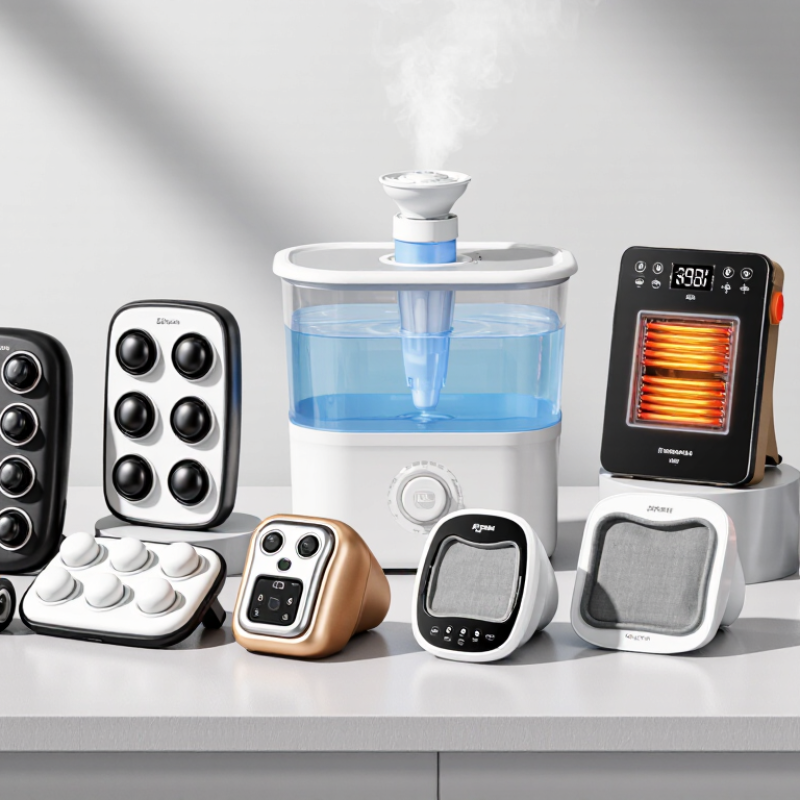
What a Foot Massager Is and How It Works
A foot massager is a device that applies pressure or movement to the feet through rollers, kneading nodes, vibration, air compression, or warmth. Some models combine several methods. Rollers travel beneath the soles; air chambers gently squeeze the feet; vibration creates a rapid, localized sensation. The goal is usually comfort and temporary relaxation, not a medical diagnosis or treatment. The sensation should feel pleasant, not sharp or painful.
Its effects depend on the mechanism and the person using it. Pressure and movement stimulate sensory nerves and may ease the feeling of tired feet for a while, but they do not prove improved circulation or lasting pain relief. The distinction matters. The U.S. National Center for Complementary and Integrative Health reports that 6.9% of adults used massage therapy in the 2012 National Health Interview Survey; that figure concerns massage overall, not foot-massager results. A powered device is not the same as a therapist’s assessment. Heat can also feel stronger on sensitive skin, so start low and stop if discomfort develops. That caveat is easy to overlook.
