
Top 10 Fass Fuel Heater Options for Global Buyers
Cold-weather fuel reliability is not a minor detail for trucks, generators, and off-road equipment. As temperatures fall, wax crystals can form in diesel fuel and restrict filters or lines. The U.S. Department of Energy’s National Renewable Energy Laboratory explains in its Biodiesel Handling and Use Guide that cold-flow behavior varies with fuel composition and blend. One setting will not suit every supply.
That is why choosing a Fass Fuel Heater requires more than comparing wattage or price. Buyers should check engine compatibility, fuel-line layout, electrical demand, installation conditions, and the temperatures their equipment actually faces. ASTM International’s diesel specifications, including ASTM D975 and D7467, provide useful fuel-quality references; they do not guarantee identical cold-weather performance everywhere. Local fuel grades matter. So does maintenance.
A heater can help, but it cannot correct contaminated fuel, a blocked filter, or poor installation. This is easy to overlook. The options in this guide are considered against practical factors: fitment, heat delivery, durability, service access, and clarity of product information. Manufacturer documentation should be checked before purchase, especially when operating across regions with different fuel blends and electrical systems. Some product claims are difficult to compare directly. That deserves caution, not guesswork.
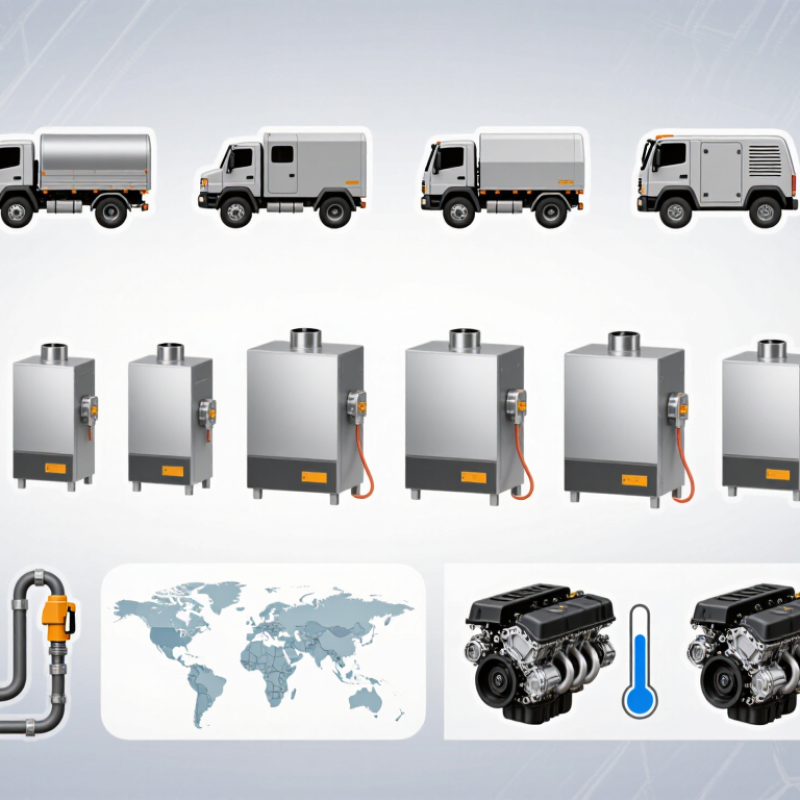
FASS Fuel Heaters: Purpose in Diesel Fuel Systems and Cold-Weather Operation
A fuel heater helps keep diesel moving when cold temperatures encourage wax crystals to form. These crystals can restrict a filter or pickup before the fuel looks visibly frozen. In practice, a heater may warm fuel near the tank, line, or filter, depending on the system design. Small differences in placement matter. A warm filter cannot fix contaminated fuel or remove water.
The National Renewable Energy Laboratory’s Biodiesel Handling and Use Guide reports that biodiesel’s cloud point varies with feedstock and blend level, and can be higher than petroleum diesel’s. That variation matters: a heater sized for one fuel blend may not perform the same with another. The U.S. Department of Energy’s Alternative Fuels Data Center likewise notes that cold-flow behavior depends on fuel composition and local conditions.
There is no universal temperature setting. Check the fuel supplier’s cold-weather specification, then verify heater compatibility, wiring capacity, and manufacturer instructions.
I would not rely on heat alone; a neglected filter can still restrict flow. Slightly inconvenient, but true. Don’t overheat the fuel: controlled, targeted warming is the goal, not making the entire tank hot.
