
What Are the Top Dishwasher Stamping Die Suppliers in 2026?
Dishwasher manufacturing depends on more than motors, pumps, and attractive control panels. Pressed stainless-steel tubs, door skins, brackets, and reinforcement parts must fit consistently through assembly. That is where a reliable Dishwasher Stamping Die supplier can affect production speed, scrap levels, and the finish customers see. The details matter.
Grand View Research’s Global Dishwasher Market Size, Share & Trends Analysis Report estimated the market at about US$30.6 billion in 2023 and forecast 7.8% compound annual growth through 2030. This is a market estimate, not a guarantee of future orders. Still, it signals why manufacturers are watching capacity and tooling resilience. ENERGY STAR’s Version 7.0 specification also sets a 3.2-gallon-per-cycle water-use limit for standard residential dishwashers. Efficiency targets do not dictate die design, but they add pressure to deliver dependable products without waste.
This 2026 overview compares suppliers through practical criteria: press and toolmaking capability, material expertise, engineering support, quality controls, lead times, and after-sales service. A polished website proves little. Ask for sample-part measurements, tool tryout records, and clear maintenance plans. Where available, verify certifications and customer references directly. Supplier rankings can also hide important differences: one company may excel at complex transfer dies, while another suits high-volume progressive stamping. No shortlist fits every factory. Use the comparisons as a starting point, then test each supplier against your part geometry, production volume, and regional support needs.
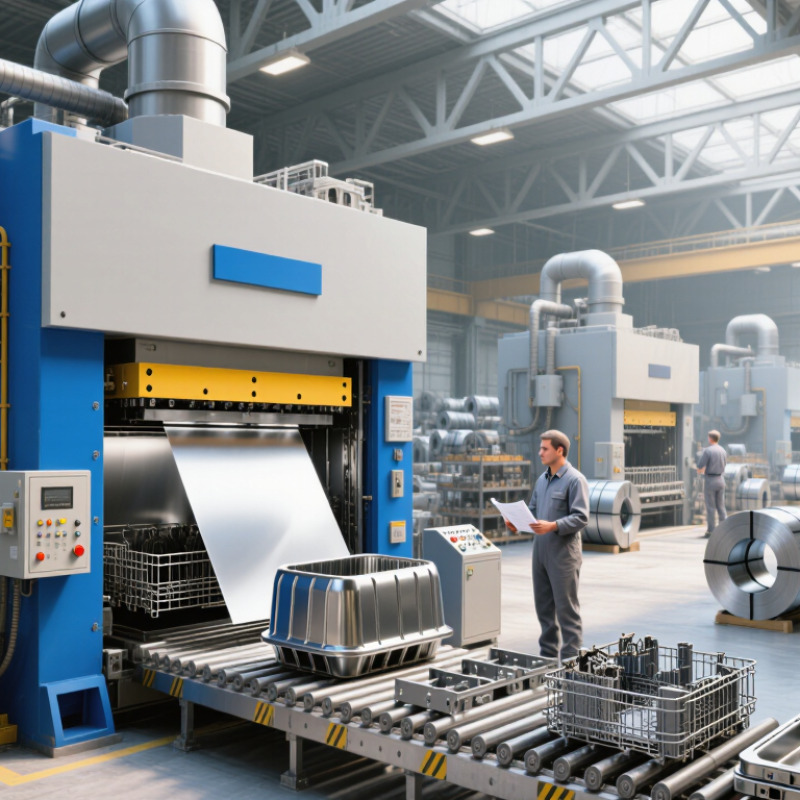
What Dishwasher Stamping Dies Do in Appliance Manufacturing
What Are the Top Dishwasher Stamping Die Suppliers in 2026?
What Dishwasher Stamping Dies Do in Appliance Manufacturing
Dishwasher stamping dies shape flat metal into parts used throughout an appliance. In a press, the die can cut, pierce, bend, or form stainless steel and coated sheet. These operations produce items such as tub panels, door supports, brackets, and mounting plates. Small details matter. A misaligned hole can complicate assembly later.
A well-designed die helps parts come off the press with consistent dimensions and clean edges. That consistency supports reliable fit around seals, fasteners, and adjoining panels. Die design also accounts for material thickness, springback, press capacity, and the intended production volume. Those details are easy to overlook when evaluating a tool from drawings alone.
Suppliers typically contribute to design review, tool construction, tryout, and maintenance planning. During tryout, sample parts reveal issues such as wrinkles, burrs, or uneven bends. Adjustments may be needed, even when the initial design looks sound. Fit is not automatic. A practical supplier should explain inspection methods, expected tool life, and how wear-sensitive areas will be serviced. Clear records of revisions and sample measurements make later troubleshooting easier. A die can meet its drawing and still create production headaches; real press conditions deserve careful review.
