
China Top Commercial Display Cooler Manufacturers
Choosing a Commercial Display Cooler is not just a matter of comparing prices or browsing polished product photos. The right unit should keep products visible, hold a stable temperature, and fit the store’s daily routine. A bakery may need bright, even lighting for pastries, while a convenience store may value fast restocking and dependable door seals. Small details matter.
China’s commercial refrigeration industry includes manufacturers with different strengths, production capacities, and levels of export experience. This guide explores how to assess leading suppliers by reviewing practical factors such as cooling performance, cabinet materials, energy use, customization options, quality-control processes, and after-sales support. Specifications can help, but they do not tell the whole story. Ask how temperature is tested, what warranty support covers, and whether replacement parts are readily available.
A supplier that suits a large supermarket may not be the best fit for a neighborhood café. Nor does a low quotation automatically mean lower long-term cost. Buyers should compare comparable models and request clear documentation before making a decision. Factory visits, sample evaluations, or independent inspections may offer useful evidence when available. Even then, no checklist removes every uncertainty. Product claims deserve careful questions, and service quality can vary between projects. The sections ahead provide a grounded starting point for comparing China’s top commercial display cooler manufacturers and selecting a partner whose equipment matches real operating needs.
What Defines a Commercial Display Cooler and Its Main Product Types?
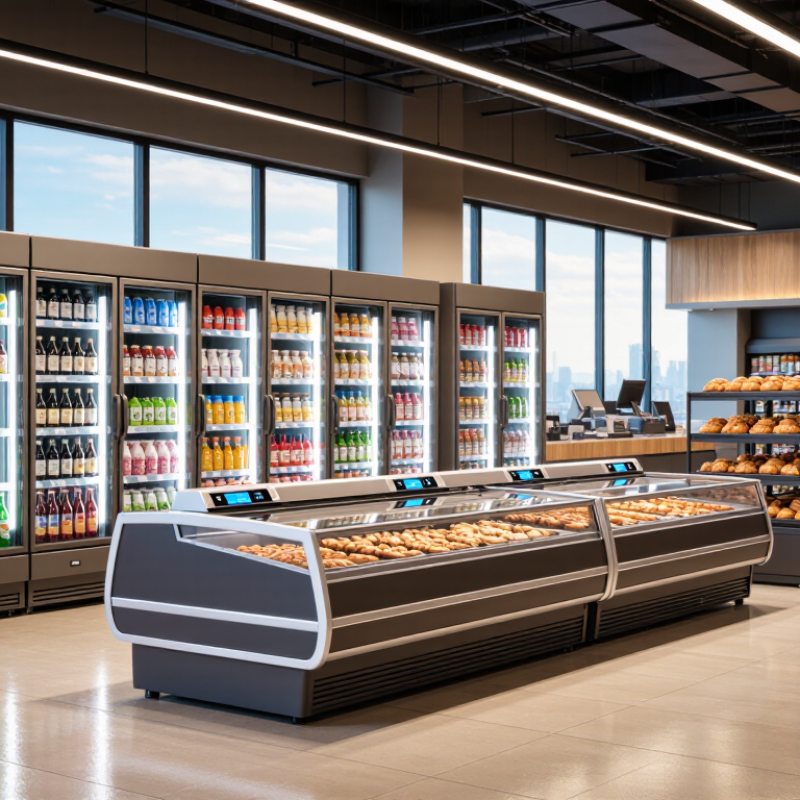
A commercial display cooler is a refrigerated cabinet designed to keep products chilled while making them easy to see and select. Unlike a storage refrigerator, it balances temperature control with visibility, lighting, and customer access. Look for even airflow across shelves, clear temperature displays, and doors or open fronts suited to the shop layout. Small details matter. A blocked vent can leave one shelf warmer than another.
Main types include glass-door merchandisers for bottled drinks and packaged foods, and open multideck cases for busy grocery aisles. Countertop coolers suit compact spaces and grab-and-go items. Serve-over deli cases place chilled foods behind glass, where staff can assist customers. Some cabinets are built for specific products, such as cakes or fresh produce, so humidity and shelf design may differ.
Choosing a type depends on what will be displayed, how often shoppers reach inside, and how much floor space is available. A glass door can reduce exposure to warm room air, but frequent opening still affects performance. Open cases offer quick access, though their placement near entrances may make cooling less consistent. Specifications help, but they do not tell the whole story; real store traffic can expose weaknesses that a showroom test misses.
