
Top CNC Screw Machine Manufacturers for Global Buyers
Choosing a Cnc Screw Machine manufacturer is not just a matter of comparing machine prices. Global buyers also need to assess application fit, production capacity, service support, and the consistency of finished parts. A machine built for small, intricate components may not suit a high-volume order with different material or tolerance requirements. Details matter.
This guide introduces manufacturers serving varied markets and explains what buyers can examine before requesting a quotation. Compare machine configurations, bar capacity, spindle options, control systems, and available automation. Ask how a supplier supports installation, operator training, spare parts, and maintenance after delivery. These practical questions can reveal gaps that a polished catalog may not show. A promising specification sheet is only one piece of evidence.
Reliable comparisons depend on clear requirements. Prepare sample drawings, target volumes, material details, and acceptable tolerances before contacting manufacturers. Then confirm technical claims directly and request relevant references where available. Regional service coverage, shipping arrangements, and communication can also affect the real cost of ownership. No single manufacturer is best for every buyer. Even a thorough shortlist may need revision once sample parts are tested. The sections ahead offer a grounded starting point for identifying suppliers whose machines and support match your production needs.
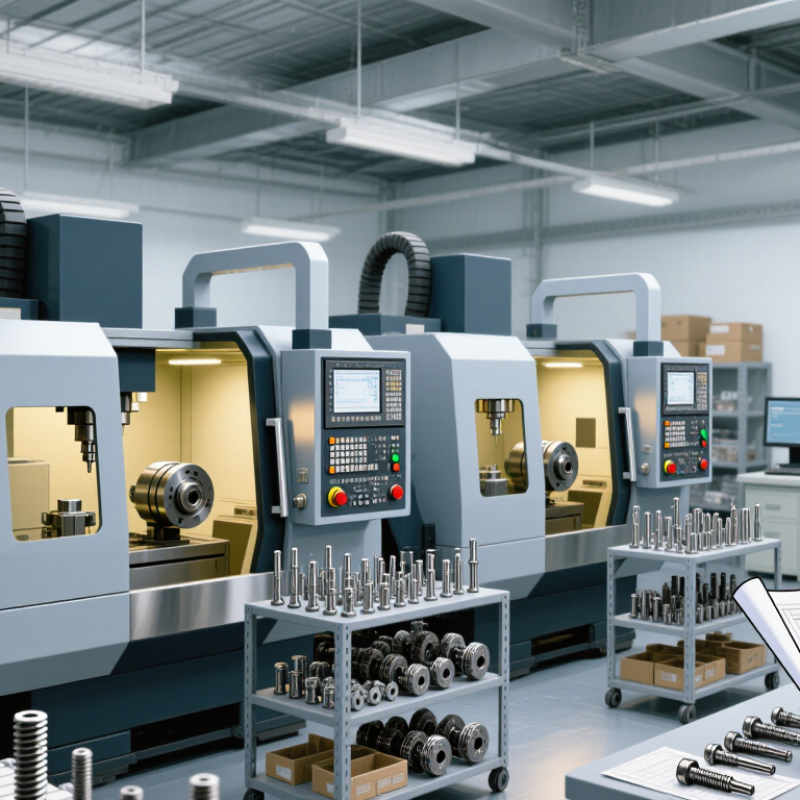
Common Swiss-Type Bar Sizes: 1–38 mm, with Model-Specific Limits
Swiss-type bar capacity commonly spans 1–38 mm, but that range is not a universal machine specification. The usable diameter depends on spindle bore, guide-bushing setup, bar feeder, and stock straightness. A machine rated for 38 mm may not hold every 38 mm bar reliably at high speed. Small details matter.
ISO 286-2:2010 provides tolerance data for manufactured features: its IT7 tables specify 10 μm for the 1–3 mm size step and 25 μm for the 30–50 mm step. These are workpiece tolerances, not raw-bar acceptance limits. Still, they show why diameter choice affects finishing plans. Bar variation, runout, and tool deflection can consume the available tolerance quickly. The standard does not define Swiss-machine capacity. Treat the published diameter as a starting point, not a guarantee.
Tips: Check the machine’s bar-capacity chart and feeder limits together. Confirm stock diameter, straightness, and required finish with a trial run. Leave room for setup variation. It happens.
