
China Top 10 Sodium Citrate Manufacturers for Global Buyers
Sodium Citrate is a familiar ingredient with a demanding supply chain. It appears in foods, beverages, medicines, and industrial formulations, where purity, solubility, and consistent performance matter. For global buyers, choosing a manufacturer is not simply a price comparison. A slight variation in crystal size or moisture can affect handling on a production line. Details matter.
Industry research, including Grand View Research’s analysis of the sodium citrate market, tracks demand across applications and regions. Its market perspective is useful, but it cannot verify an individual supplier’s quality or delivery record. For technical context, the FAO/WHO Joint Expert Committee on Food Additives (JECFA) publishes evaluations and specifications for food additives, including citrates. UN Comtrade data under HS code 291815 can also help buyers examine international trade in citric acid salts and esters. These sources answer different questions; none should be treated as a complete supplier audit.
This guide to China’s top 10 Sodium Citrate manufacturers is intended as a practical starting point, not a universal ranking. It considers product range, manufacturing capability, quality documentation, export experience, and responsiveness to buyer requirements. Ask for current certificates, a batch-specific certificate of analysis, and samples before making a decision. Then check whether the documents match the product and intended application. Supplier information can change, and public data is uneven. That limitation deserves attention. Verify the details directly.
Sodium Citrate: Grades, Uses, and Global Market Basics
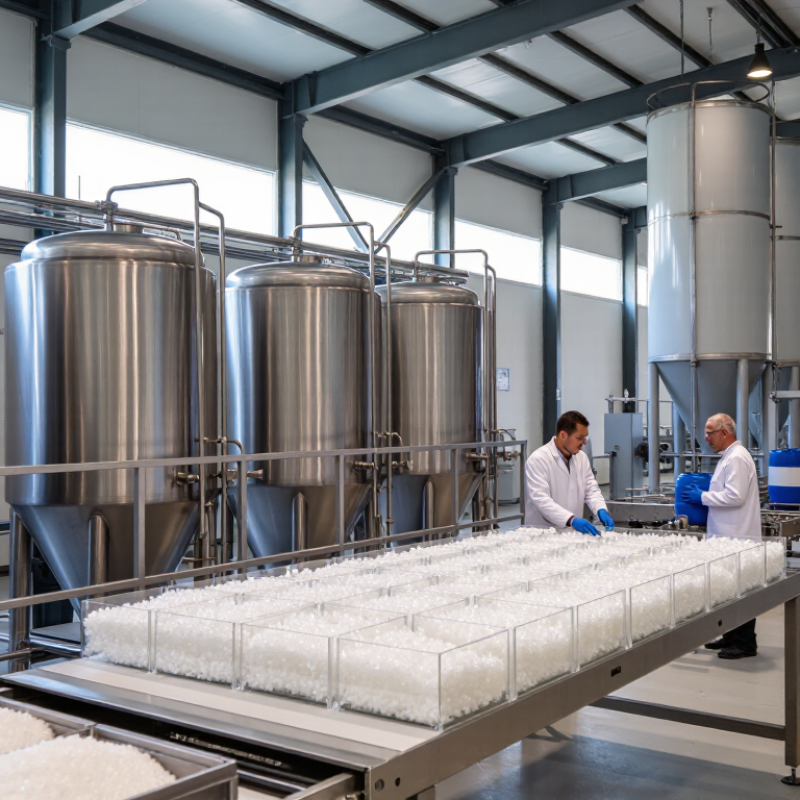
Sodium citrate is commonly sold as anhydrous powder or as a dihydrate, which contains water of crystallization. The form can affect weight calculations, moisture readings, and how quickly it dissolves. Food-grade material is used to regulate acidity in drinks and processed foods; in cheese products, it can help salts disperse evenly. Pharmaceutical and technical grades serve different applications, so the word “sodium citrate” alone does not confirm suitability.
Global buyers often compare assay, particle size, packaging, and batch documentation alongside price. Supply conditions can shift with energy costs, transport capacity, and regional demand. A low quotation may not include freight, testing, or moisture protection. One detail is easy to miss: specifications and grade definitions can vary between suppliers. Request a current certificate of analysis and confirm that its test methods match your intended use.
Tips: Check whether the product is anhydrous or dihydrate before comparing costs. Ask for a sample when dissolution or particle size matters. Store sealed bags in a cool, dry place; even a practical checklist can overlook how local humidity affects opened packaging.
