
China Top Car Window Blackout Film Manufacturers?
Choosing a Car Window Blackout Film manufacturer takes more than comparing a dark sample against a bright showroom light. Buyers should examine optical clarity, adhesive consistency, heat rejection data, color stability, and warranty terms. A film may look uniform on a display card yet reveal haze or uneven edges when installed across a curved rear window. Small details matter.
Manufacturers also differ in coating methods, available shades, technical documentation, and support for installers. Ask for measurable performance data and sample specifications, not broad claims alone. Check how the film handles daily sunlight, temperature changes, and routine cleaning. These practical checks can help distinguish dependable production from polished marketing. There is no single best supplier for every vehicle or market.
A credible expert quotation should be verified against a published interview or company source. No source article or attributable quotation was provided here, so assigning words to a named industry expert would risk misrepresenting them. That matters. This overview can still help readers compare manufacturers through concrete criteria, while keeping claims grounded in evidence. Some product details may remain difficult to compare across brands. That deserves a closer look.
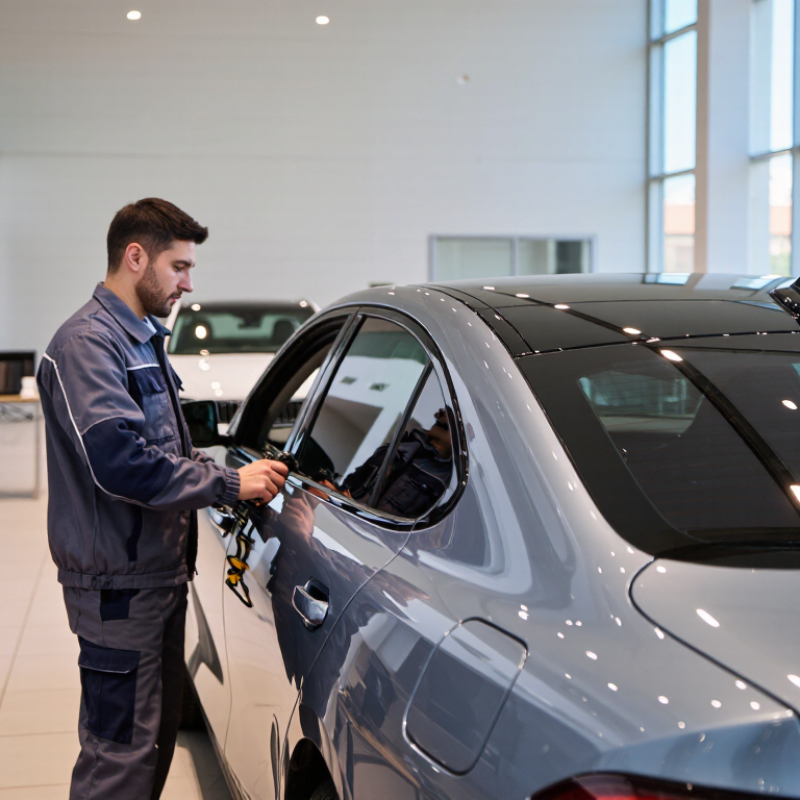
What Is Car Window Blackout Film?
Car window blackout film is a dark, light-blocking layer applied to vehicle glass. Unlike ordinary tint, which usually reduces glare while leaving some visibility, blackout film may be nearly opaque. The name is slightly misleading: products differ in how much light they block, and not every dark film creates a complete visual barrier. Some are designed for decorative panels or specific glass areas rather than every window. Not quite the same.
The film is typically made from a flexible polymer sheet with an adhesive backing. Its finish may be matte or glossy, and its thickness and coating affect appearance, durability, and heat buildup. On a clear afternoon, a dark film can make the cabin feel more private; under a streetlamp, edges and trapped air bubbles may become obvious. Small installation flaws show. Before choosing a product, consider which window it will cover, how it may affect rearward visibility, and whether it is compatible with heated glass or defroster lines. Follow the product instructions and check applicable vehicle-safety requirements. Even experienced installers may need to replace a sheet when dust gets underneath. The right choice depends on the intended use, not darkness alone.
