
What Are the Top Types of Cemented Carbide Inserts in 2026?
Cemented Carbide Inserts remain essential in modern machining because they combine hardness, wear resistance, and practical production efficiency. Yet the best insert is not simply the hardest one. Workpiece material, machine rigidity, cutting speed, and chip control all shape the result. A sharp edge that performs well on aluminum may struggle with a tough stainless-steel part.
This guide examines the top types of cemented carbide inserts in 2026, including turning, milling, drilling, grooving, and threading options. It also explains how insert shapes, grades, coatings, and chipbreaker designs affect everyday cutting. Small details matter. A worn corner, a curled chip, or a slight vibration can change tool life and surface finish.
There is no universal winner.
Instead, the right choice depends on the operation and the evidence from actual machining trials. Manufacturer data can provide a sound starting point, but it should be checked against the machine, setup, and workpiece. That distinction is easy to overlook. This overview offers a clear framework for comparing insert types, understanding their intended uses, and asking better questions before selecting a tool. It does not promise that one grade will suit every shop. Real production conditions are rarely that tidy.
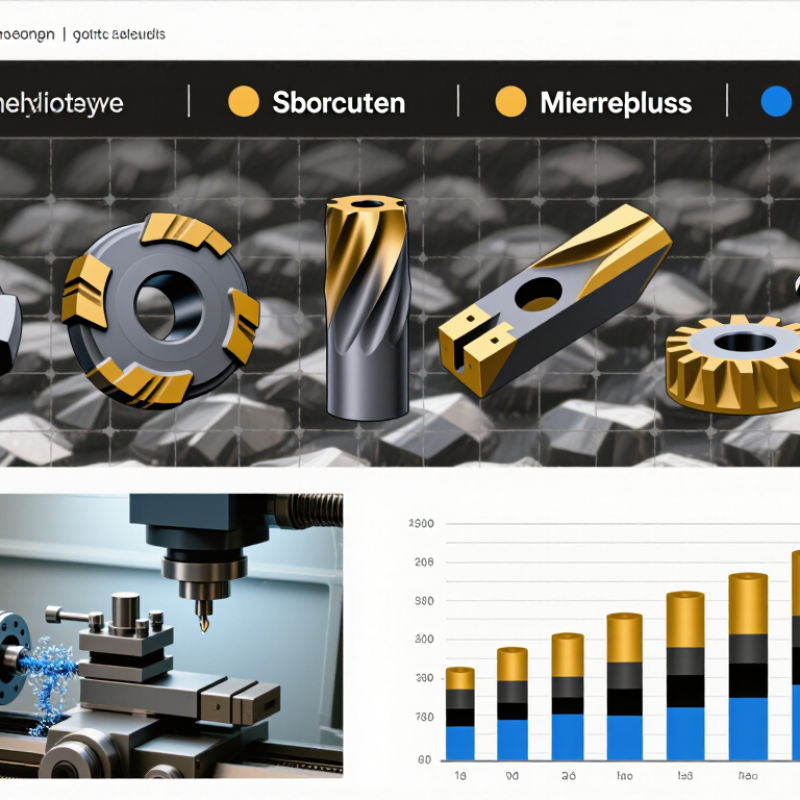
Classify Carbide Inserts by ISO 513’s Six Groups: P, M, K, N, S, and H
In 2026, choosing a cemented carbide insert starts with the workpiece, not a popularity list. ISO 513:2012 classifies cutting materials into six application groups:
Different jobs. Different demands. These letters identify workpiece families, not insert shapes or guaranteed performance.
The group is a starting point, not a recipe. A sharp N-group edge can help limit built-up material when machining aluminum. Toughness and heat resistance often matter more when cutting nickel alloys in group S.
But the actual choice also depends on the insert geometry, coating, cutting speed, and whether the cut is interrupted. The USGS Mineral Commodity Summaries 2025 estimates global tungsten mine production at about 81,000 metric tons in 2024. That figure is not insert output, but it gives useful context for carbide’s raw-material supply.
Check the ISO group against the actual alloy, then test the edge under real cutting conditions; a neat classification can still miss shop-floor complications.
