
Who Are the Top Candy Machine Manufacturers in China?
Choosing a candy production line is a practical decision, not just a search for the lowest price. China has a broad manufacturing base, with suppliers serving small workshops and large confectionery plants. The phrase Candy Machine Manufacturers covers a varied field: some companies build complete production lines, while others specialize in mixers, depositors, cooling tunnels, or packaging equipment. That distinction matters.
A product photograph can look convincing. The real test comes from machine performance, build quality, and support after installation. Buyers should compare stainless-steel contact surfaces, production capacity, temperature controls, cleaning access, and the availability of spare parts. Ask for equipment specifications, factory references, and a live or recorded production demonstration. Small details matter.
This guide introduces leading Chinese manufacturers and explains how to assess their strengths. It considers product range, customization, technical support, and documented quality practices, rather than relying on promotional claims alone. A supplier may be a strong fit for hard candy but less suitable for gummy production. Needs differ. Readers should confirm certifications and performance claims directly with each company, since product lines and service arrangements can change. Even a careful comparison has limits: published information may not reveal response times or workmanship on a busy factory floor. Treat this overview as a starting point, then verify the details against your recipe, output goals, budget, and installation plans.
What Is a Candy Machine Manufacturer in China?
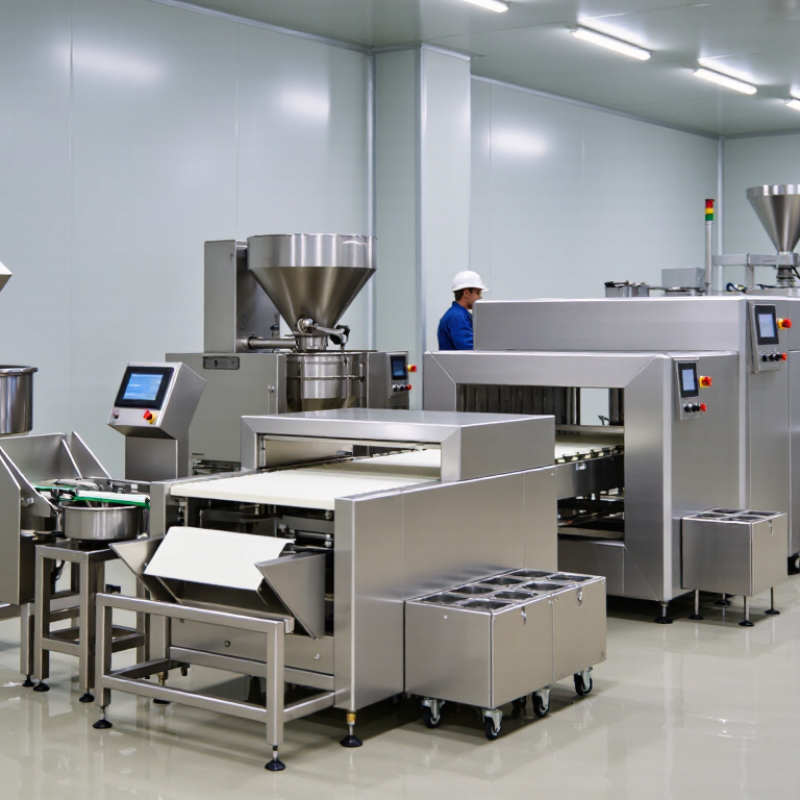
A candy machine manufacturer in China is a company that designs and builds equipment for making confectionery. Its work may cover cooking, mixing, depositing, forming, cooling, and packaging. A real production line is more than a polished machine: operators need stable temperatures, cleanable contact surfaces, and settings they can adjust between batches. Small details matter. A depositor that struggles with a thicker syrup can cause uneven pieces and extra waste.
The market context is substantial. Grand View Research’s Confectionery Market Size report valued the global confectionery market at about US$233.2 billion in 2023 and projected 4.7% annual growth from 2024 to 2030. That estimate describes confectionery sales, not machinery demand, but it helps explain manufacturers’ need for adaptable production capacity. When assessing a Chinese supplier, ask for machine specifications, material details, output ranges, and test records using your actual recipe. Request a factory acceptance test, too. A brochure may show a neat line; it may not reveal changeover time, cleaning effort, or performance with a sticky mixture. I would treat claimed output as a starting point, not a promise. Verify it under comparable operating conditions.
