
China Top Bow Type Laying Up Machine Supplier?
Choosing a China-based Bow Type Laying Up Machine supplier takes more than comparing prices. The machine must lay conductors evenly while maintaining stable tension and consistent pitch. On a production floor, small differences matter: a vibrating bow, a drifting take-up reel, or poorly matched controls can create visible defects. A brochure rarely shows these details.
Market context helps explain the stakes. Grand View Research estimated the global wire and cable market at USD 216.7 billion in 2023 and projected a 4.9% compound annual growth rate from 2024 to 2030. That estimate covers a broad market, not machine sales. Still, it points to sustained demand for reliable cable production equipment. Quality expert W. Edwards Deming is often quoted as saying, “Quality is everyone’s responsibility.” For a laying-up line, that principle includes design, assembly, commissioning, and operator training.
Look beyond a supplier’s headline speed. Ask for tested production data, compatible conductor sizes, bow balance information, tension-control details, and references for comparable installations. Request a factory acceptance test using your materials, where practical. Then review spare-parts support and response times. One caveat: supplier claims are not independent proof. A polished video cannot replace a test report. This introduction is a starting point, not a supplier ranking; the best choice depends on your cable design, output target, and service needs.
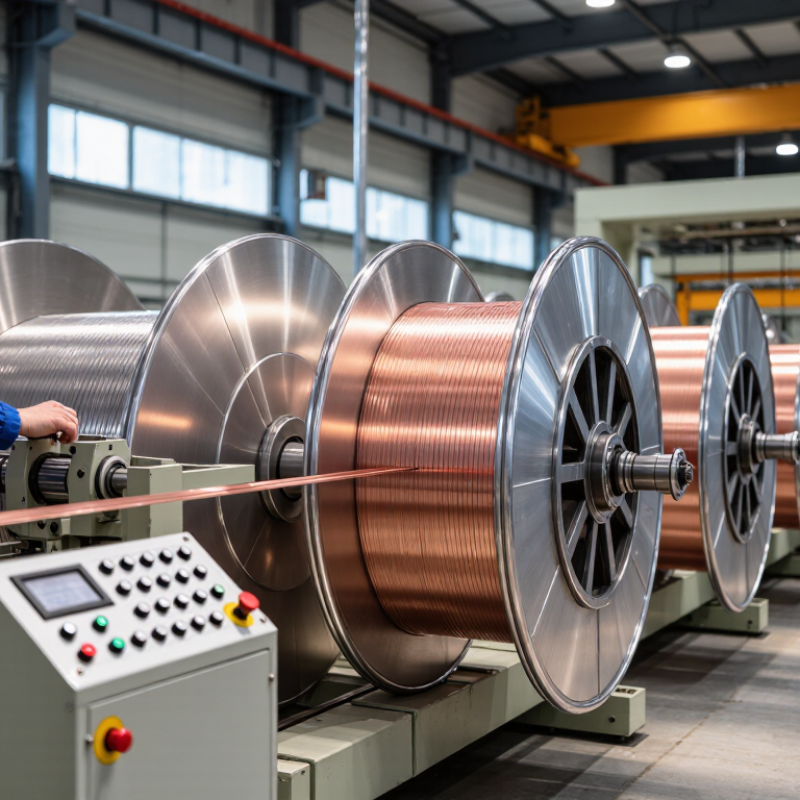
What Is a Bow Type Laying-Up Machine?
A bow type laying-up machine brings several insulated wires or cores together around a central element. Its rotating bow guides the outer components into a controlled helical pattern. The distance between successive turns is called the lay length. Changing this setting affects flexibility, diameter, and how the finished cable handles during installation. Small changes matter.
During operation, payoff units feed each component toward the closing point, while tension controls help prevent loose strands or stretching. The take-up system then collects the laid-up cable onto a reel. Operators typically check wire tension, bow speed, and lay length together; adjusting only one may create uneven results. A close look at the first few metres can reveal crossed wires or inconsistent spacing before a full reel is made.
The machine is useful for cable constructions that need repeatable alignment, but it is not a universal solution. Product diameter, material stiffness, and required output all influence machine configuration. Even with automatic controls, setup still needs careful observation. A neat-looking cable can hide uneven tension, so visual inspection alone is not enough. A practical trial run helps confirm the settings.
