Top 10 Benefits of Using a Handicap Lift for Your Business?
In today’s world, accessibility is key for any successful business. A well-designed handicap lift can make a significant difference. Dr. Emily Thompson, a leading expert in accessibility solutions, once stated, “Incorporating a handicap lift enhances not only access but also the dignity of all customers.” This insight underscores the importance of providing a welcoming environment.
Handicap lifts facilitate movement for individuals with mobility challenges. Investing in such equipment can elevate a business’s reputation. They comply with legal standards while promoting inclusivity. However, businesses can overlook these aspects in their planning. Some may hesitate due to initial costs, but the long-term benefits outweigh these concerns. A well-implemented handicap lift can boost customer loyalty.
Moreover, employers can create a more diverse workforce. Employees with disabilities can contribute creatively, leading to innovation. Yet, misconceptions surrounding these lifts still exist. Some businesses question their practicality or feel unsure about the installation process. Addressing these doubts is vital for making the right choice. Understanding the true value of handicap lifts can lead to transformative changes.
Benefits of Enhancing Accessibility with Handicap Lifts in Businesses
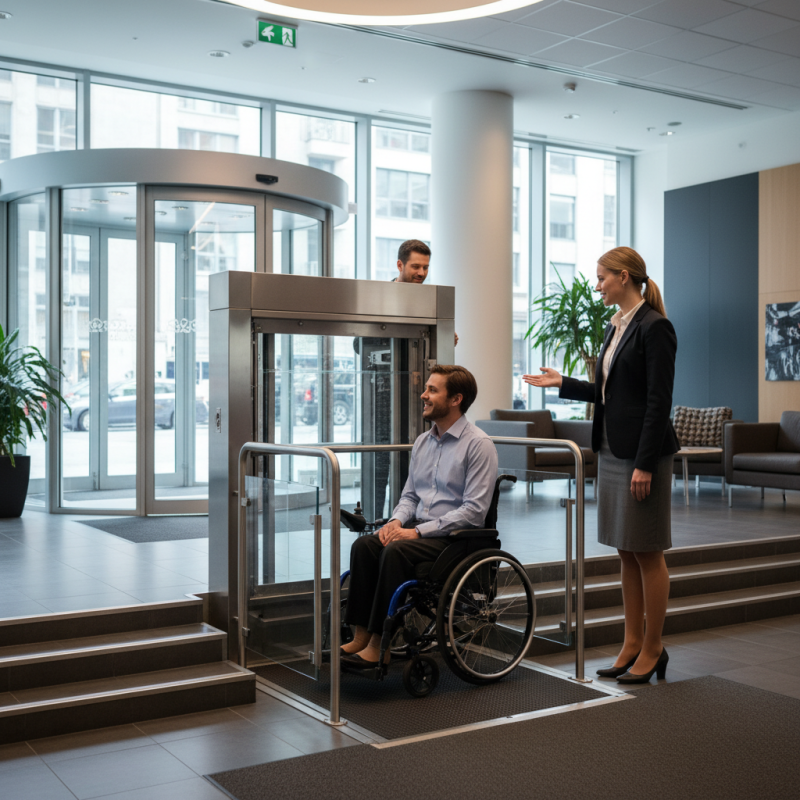
Handicap lifts play a crucial role in enhancing accessibility for businesses. Reports indicate that nearly 20% of Americans live with a disability. This fact highlights the need for businesses to cater to a wider clientele. Installing handicap lifts can significantly improve access, benefiting both customers and staff. Accessible spaces foster inclusivity and can boost a company's reputation.
Research shows that businesses that prioritize accessibility see a 28% increase in overall customer satisfaction. People with disabilities often seek out places that accommodate their needs. Moreover, creating an accessible environment can increase foot traffic. Improved access can easily translate into higher sales and customer loyalty.
Despite these advantages, some businesses overlook the importance of accessibility. Many fail to recognize that a lack of proper facilities can alienate a significant portion of potential customers. Investing in handicap lifts is not just a legal requirement but an ethical choice. Ultimately, embracing accessibility drives positive change within the community.
Top 10 Benefits of Using a Handicap Lift for Your Business
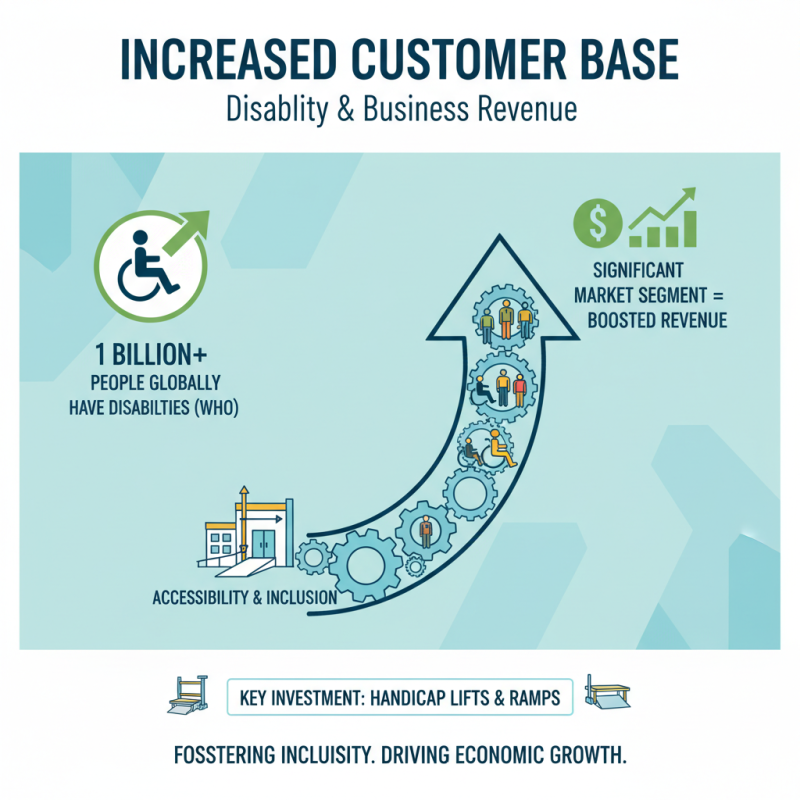
Increased Customer Base: Statistics on Disability and Business Revenue
In recent years, businesses have increasingly recognized the importance of accessibility. According to the World Health Organization, over one billion people live with some form of disability. This represents a significant market segment that businesses can tap into. By incorporating handicap lifts, companies can accommodate these customers, ultimately boosting revenue and fostering inclusivity.
Data shows that businesses prioritizing accessibility often see a rise in their customer base. A survey indicated that 71% of people with disabilities can influence purchase decisions. This finding highlights the potential of retaining loyal customers. However, some businesses still overlook this aspect, missing out on valuable opportunities.
Investing in handicap lifts demonstrates a commitment to social responsibility. It also sends a message about valuing diversity. Yet, it’s not just about compliance with regulations. Businesses should regularly evaluate their facilities for accessibility. This proactive approach reflects a genuine desire to improve. Even small changes can lead to significant benefits in customer engagement and satisfaction.
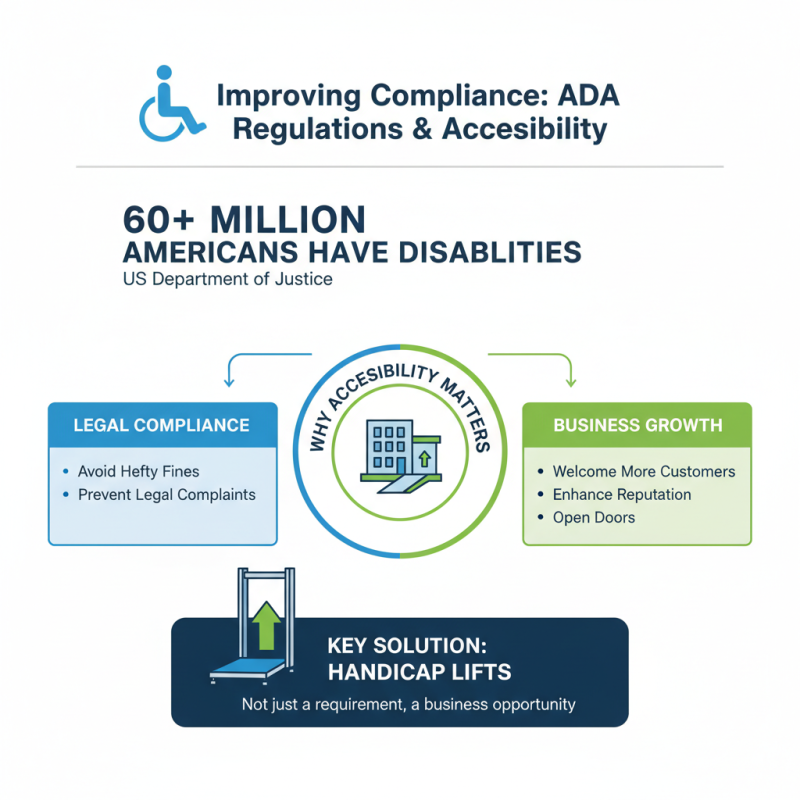
Improving Compliance: Understanding ADA Regulations and Requirements
Ensuring compliance with the Americans with Disabilities Act (ADA) is critical for businesses. According to the U.S. Department of Justice, over 60 million Americans have disabilities. Providing accessibility through handicap lifts is not just a regulatory requirement; it also opens doors for many potential customers. Businesses without proper facilities could face legal complaints, resulting in hefty fines and reputational harm.
A recent study found that businesses prioritizing accessibility see a 25% increase in customer satisfaction. Accessibility can also improve employee morale. When employees feel included, productivity often rises. However, many companies still overlook the need for handicap lifts, citing cost or complexity. Neglecting this aspect can lead to lost opportunities for both customer engagement and community trust.
In 2021, the ADA reported that around 20% of lawsuits were accessibility-related. This highlights the urgency of addressing compliance proactively. Simply having a plan is not enough; implementation is essential. Businesses must assess their facilities regularly. Investing in handicap lifts can demonstrate a commitment to inclusivity, enhancing overall business appeal while safeguarding against potential legal pitfalls.
Elevating Employee Morale: The Impact of Inclusive Design on Staff
Inclusive design in the workplace significantly boosts employee morale. A study by the Job Accommodation Network revealed that accommodations like handicap lifts can lead to a 70% increase in productivity among employees with disabilities. Such adjustments make staff feel valued, fostering a culture of inclusiveness. When everyone can access all areas of a business, it promotes teamwork and collaboration.
Moreover, businesses that prioritize accessibility often see improvements in employee retention. According to the U.S. Department of Labor, companies with inclusive practices have 33% lower turnover rates. This stability contributes to a cohesive work environment. However, some organizations struggle to fully embrace these changes due to lack of awareness or resources. While many are willing to make improvements, reluctance often stems from budget constraints or uncertainty over the impact.
Employees respond positively to accessible workplaces. Research shows that 85% of employees believe their organization should address accessibility. This highlights a gap in expectations versus reality. While it’s clear that inclusivity benefits both businesses and staff, many companies hesitate to make necessary adjustments. A handicap lift is a small yet vital step toward creating an inclusive culture that uplifts everyone.
Long-term Cost Savings: Analyzing ROI on Accessibility Investments
Investing in handicap lifts can lead to substantial long-term cost savings for businesses. A comprehensive report by the U.S. Access Board indicates that accessibility improvements can yield a return on investment of up to 100%. While the initial cost may seem high, the long-term benefits outweigh the upfront expenditures. Enhanced accessibility attracts a wider customer base and improves employee productivity.
Consider the experience of businesses that embraced accessibility. According to the National Federation of the Blind, companies with accessible facilities see a 20% increase in customer satisfaction. This directly correlates with increased loyalty. By improving access, you not only meet legal requirements but also create a welcoming environment for everyone.
Tips: Regularly evaluate your accessibility features. They need to evolve with changing regulations and customer expectations. Engage with disabled customers for feedback. Their insights can guide your improvements and show your dedication. Prioritize staff training on accessibility practices. The more informed your team is, the better the service you provide. Balancing investment in accessibility can be challenging, yet it's a vital move for sustainable growth.