
Top 10 Automatic Arc Welding Machine Manufacturers
Choosing an Automatic Arc Welding Machine is not just a brand decision. The right equipment must match the work, power supply, operator skill, and production pace. A compact fabrication shop may value easy setup and stable output, while a heavy-duty plant may need higher duty cycles and dependable service support.
This guide introduces ten manufacturers associated with automatic arc welding equipment. It considers practical factors such as process compatibility, control options, consumable availability, maintenance access, and technical assistance. Look closely at the specifications. A model’s advertised capacity may not reflect how it performs during long production runs or with a particular material. Verify details with the manufacturer and compare them against your own welding procedures.
Real conditions matter. A machine used for repetitive seams faces different demands from one handling varied assemblies. Operator training, fixture design, and ventilation also affect results, even when the equipment is capable. No ranking can settle every shop’s needs. That is easy to overlook. Manufacturer reach and product range can change by region, and service quality may depend on the local distributor. Treat the list as a starting point, not a final verdict. Before purchasing, request current technical data, confirm support arrangements, and, when possible, test representative workpieces. A careful comparison can prevent costly mismatches and help teams choose equipment that fits both present workloads and realistic future plans.
Automatic Arc Welding Machines: Types and Core Technologies
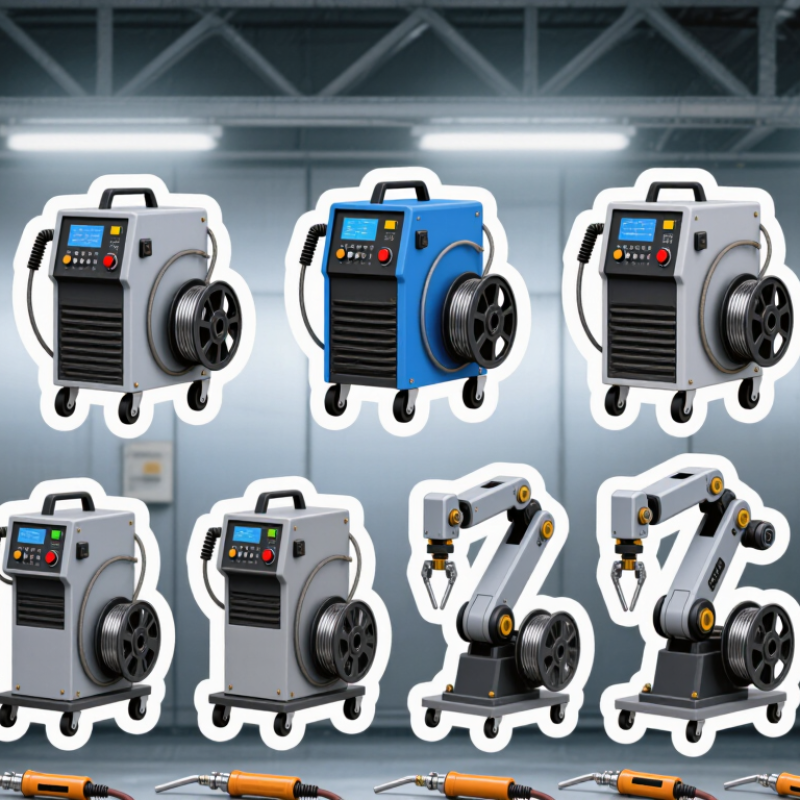
Automatic arc welding machines differ in how they feed filler metal and protect the weld pool. Gas metal arc welding (GMAW) feeds continuous wire beneath shielding gas, making it useful for repeatable production. Flux-cored arc welding (FCAW) uses tubular wire and can suit heavier steel or some outdoor work, though slag removal may add time. Submerged arc welding (SAW) covers the arc with granular flux and is often used for long, straight seams on thick plate. Fit-up still matters.
Core technologies affect consistency as much as rated speed. Inverter power sources regulate current and voltage, while wire feeders help maintain steady electrode delivery. Arc sensors monitor electrical changes; seam-tracking systems can adjust torch position when joint alignment varies. Robotic systems add programmed movement and torch-angle control. But sensors cannot fix every irregular joint. A clean edge helps. Operators should test settings on the actual material and thickness, since real parts may not match drawings perfectly.
Tips: Start with small test beads. Adjust wire speed, voltage, and travel speed, then inspect bead shape, spatter, and penetration. Record settings that work. They may still need revision when consumables or joint fit-up change.
